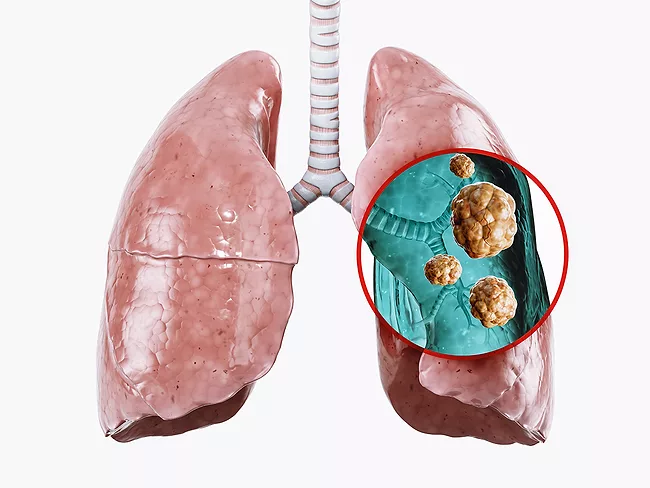
Roche Holding AG’s Genentech unit achieved superior phase III results with its KRAS G12C inhibitor divarasib over approved therapies in previously treated non-small-cell lung (NSCLC) cancer patients.
Researchers from Bristol Myers Squibb Co. (BMS) presented preclinical data on BMS-986453 (tunlucabtagene autoleucel), a dual-targeting BCMA×GPRC5D CAR T-cell therapy, in models of multiple myeloma.
Biopharma deal value through the first five months of 2026 reached $135.36 billion, outpacing every prior year and topping 2025’s previous high of $103.92 billion. May was the year’s biggest month so far at $41.78 billion in transactions, making it one of the strongest individual months on record, and far outpacing April’s $13.87 billion.
Demonstrating better tolerability and safety in comparison with standard of care, Edgewise Therapeutics Inc.’s EDG-7500 is moving toward a phase III trial for both obstructive and nonobstructive hypertrophic cardiomyopathy (HCM), the most common form of genetic heart disease. Boulder, Colo.-based Edgewise reported top-line phase II results from part D of the Cirrus-HCM trial, showing meaningful responses in terms of hemodynamics, biomarkers and patient-reported measures.
Biopharma deal value through the first five months of 2026 reached $135.36 billion, outpacing every prior year and topping 2025’s previous high of $103.92 billion. May was the year’s biggest month so far at $41.78 billion in transactions, making it one of the strongest individual months on record, and far outpacing April’s $13.87 billion. May 2026 comes in third in recent years in terms of deal value, after October 2023’s $44.91 billion and December 2022’s $42.45 billion.
The recent introduction of the bipartisan Biotech Investment National Security Act in the U.S. House has industry and venture capitalists urging lawmakers to take a breath, step back, and consider a less invasive approach than restricting U.S. biopharma deals with Chinese innovators.
Bristol Myers Squibb Co. (BMS) has disclosed new 1H-benzo[d]imidazole derivatives acting as calcium/calmodulin-dependent protein kinase type II (CAMK2) inhibitors potentially useful for the treatment of anxiety disorders, asthma, cardiomyopathy, diabetes, fibrosis, heart failure, hypertension and allergy, among others.
On the heels of the multibillion-dollar licensing deal between Bristol Myers Squibb Co. and Jiangsu Hengrui Pharmaceuticals Co. Ltd., Chairman John Moolenaar (R-MI), of the House Select Committee on the Chinese Communist Party, sent a letter to Treasury Secretary Scott Bessent urging him to add biotechnology as a prohibited technology under the Comprehensive Outbound Investment National Security (COINS) Act of 2025.
Bristol Myers Squibb Co. disclosed in March 2026 that the phase III portion of the seamless phase II/III Successor-2 study testing mezigdomide in combination with carfilzomib and dexamethasone (MeziKd) in patients with relapsed or refractory multiple myeloma was successful. Nearly three months later, the magnitude of success for its Pomalyst (pomalidomide) successor is clear.