Infectious disease-focused biopharma stocks, tracked on the BioWorld Infectious Disease Index (BIDI), saw their collective shares roughly follow the path of broader markets like the Nasdaq Biotechnology Index (NBI) and the Dow Jones Industrial Average (DJIA) in early 2026. The BIDI ended April up 3.8%, followed by the DJIA with a 3.31% gain and 2.73% for the NBI, following a similar pattern to 2025.
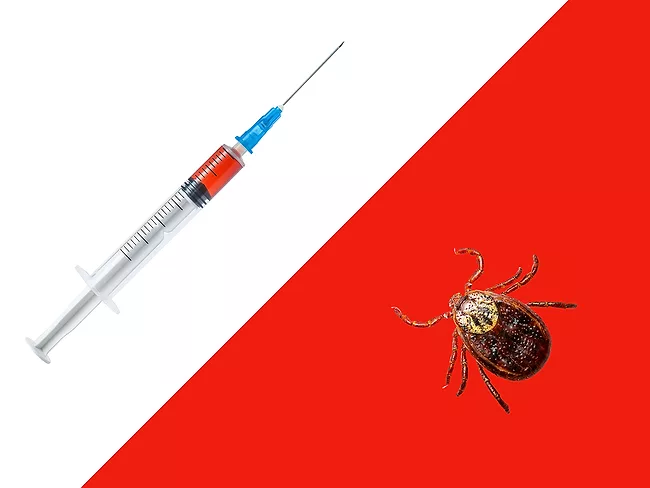
Overall, results from the phase III Valor trial testing Lyme disease vaccine PF-07307405 “strengthen confidence” in the candidate, according to partners Pfizer Inc. and Valneva SE, with the big pharma now looking toward regulatory submissions. Investors, however, focused on the fact that the study, which demonstrated more than 70% efficacy in preventing Lyme disease in individuals, ages 5 and older, failed to hit the statistical criterion for the first prespecified analysis.
Biopharma companies focused on infectious disease extended their stock recoveries through the third quarter (Q3), with the BioWorld Infectious Disease Index closing October up 28.98%. The gain marks a strong turnaround from earlier in the year, when the index had fallen 17.83% by the end of April before rebounding to a 4.34% gain by July’s close.
Worrisome new signals caused the U.S. FDA – which earlier this month OK’d revised labeling for Valneva SE’s chikungunya virus vaccine Ixchiq – to suspend the product’s license altogether. Regulators pointed to four added reports of serious adverse events consistent with chikungunya-like illness, and told Valneva, of Saint Herblain, France, that the company must stop U.S. shipping and sales of the product. Shares (NASDAQ:VALN) closed Aug. 25 at $9.43, down $2.21, or 19%.
Infectious disease stocks stumbled in the early months of 2025, with the BioWorld Infectious Disease Index (BIDI) plunging 17.83% by the end of April, well behind the broader markets. By comparison, the Nasdaq Biotechnology Index slipped just 1.16%, and the Dow Jones Industrial Average declined 4.41%. In 2024, the BIDI ended the year down 6.28%, after hitting a low of -25.12% in late April.
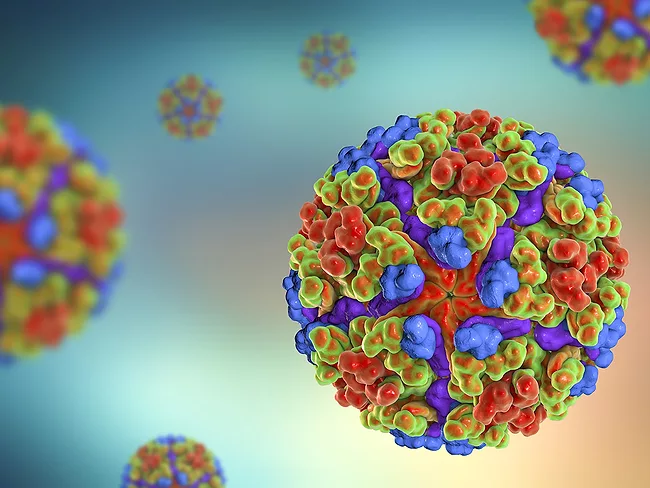
With the U.S. FDA’s approval of Vimkunya, Bavarian Nordic A/S is now in the chikungunya virus infection mix along with Valneva SE’s Ixchiq. A single-dose, adjuvanted virus-like particle-based vaccine to protect against the chikungunya virus infection, Vimkunya is the first of its kind available in the U.S. for those age 12 and older.
The EMA has been sent back to the drawing board to re-evaluate PTC Therapeutics Inc.’s Duchenne muscular dystrophy therapy Translarna (ataluren), after failing to get the usual rubber stamp following its recommendation in January that the drug’s conditional approval be withdrawn.
With Valneva SE’s accelerated approval from the U.S. FDA for chikungunya vaccine Ixchiq, attention turned to the February 2024 meeting of the Advisory Committee on Immunization Practices (ACIP), which will vote on the product. A single-dose, live-attenuated vaccine, Ixchiq is designed to prevent disease caused by the virus in people 18 and older who are at increased risk of exposure to the bug.
About two weeks after chikungunya virus (CHIKV) vaccine contender Bavarian Nordic A/S provided phase III data with its prospect, rival Valneva SE rolled out positive phase III safety findings in adolescents with its single-dose candidate VLA-1553. Results from the Saint-Herblain, France-based company’s first trial in an endemic area with people previously infected with CHIKV showed the product was generally safe and well-tolerated in subjects aged 12-17 years, regardless of previous infection by the mosquito-borne disease, carried mainly by Aedes aegypti and Aedes albopictus. Immunogenicity data from the study are expected in November.
Twelve months after a single shot of Valneva SE’s chikungunya vaccine, positive antibody persistence was found, threatening a deadly disease that has long resisted treatment. The new data are derived from a study of 363 healthy adult participants that followed them from month 6 after vaccination to month 12. Nearly all, 99%, kept their neutralizing antibody titers for 12 months beyond the seroresponse threshold of 150, which hit the primary endpoint and the antibody level agreed with regulators as endpoint under the accelerated approval pathway.