Two sNDAs, one from Bristol Myers Squibb Co. (BMS) and the other from Mirum Pharmaceuticals Inc., have received U.S. FDA approval to further expand their treatment indications.
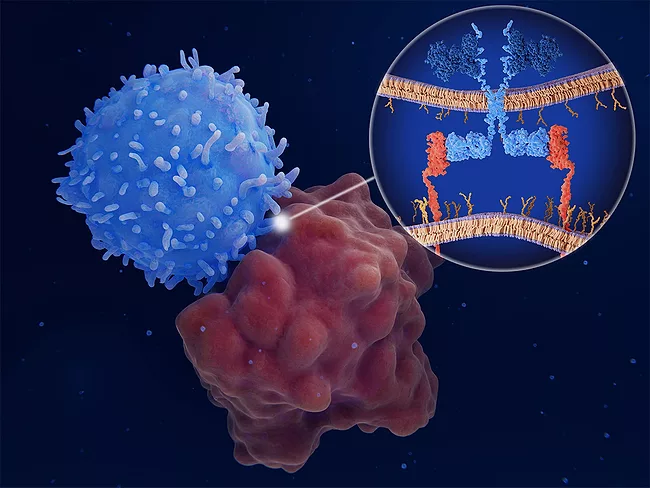
Caribou Biosciences Inc. has received FDA clearance of its IND application for CB-012, an allogeneic anti-C-type lectin-like molecule-1 (anti-CLL-1) chimeric antigen receptor (CAR) T-cell therapy. CLL-1 is highly expressed on acute myeloid leukemia (AML) cells and leukemic stem cells, but it is not expressed on hematopoietic stem cells.
Researchers from Caribou Biosciences Inc. presented preclinical data for the novel BCMA-specific allogeneic CAR T-cell therapy candidate, CB-011, being developed for the treatment of relapsed or refractory multiple myeloma. A genome editing strategy was implemented in the production of CB-011 to blunt CAR T-cell rejection by both patient T cells and natural killer (NK) cells.
Caribou Biosciences Inc.’s disclosure last December that it has chosen the target for CB-020, an induced pluripotent stem cell-derived allogeneic CAR-NK cell therapy for solid tumors, added impetus to the growing interest in receptor tyrosine kinase-like orphan receptor 1 (ROR1), where a number of parties are advancing programs.
Analysts have already started tagging Cogent Biosciences Inc.’s bezuclastinib as potentially best in class, after the company presented impressive, though early stage, data at the European Hematology Association Congress in Vienna demonstrating promising efficacy and a possibly differentiating safety profile for the selective KIT D816V inhibitor in advanced systemic mastocytosis.
Berkeley, Calif.-based Caribou Biosciences Inc. has raised $115 million in an oversubscribed series C financing co-led by Farallon Capital Management, PFM Health Sciences and Ridgeback Capital Investments. Proceeds from the round will be used to advance its CRISPR technology platform and pipeline of off-the-shelf genome-edited CAR T and CAR-NK cell cancer therapies, including CB-010, its lead CAR T program, now in a phase I trial for patients with relapsed/refractory B-cell non-Hodgkin lymphoma.