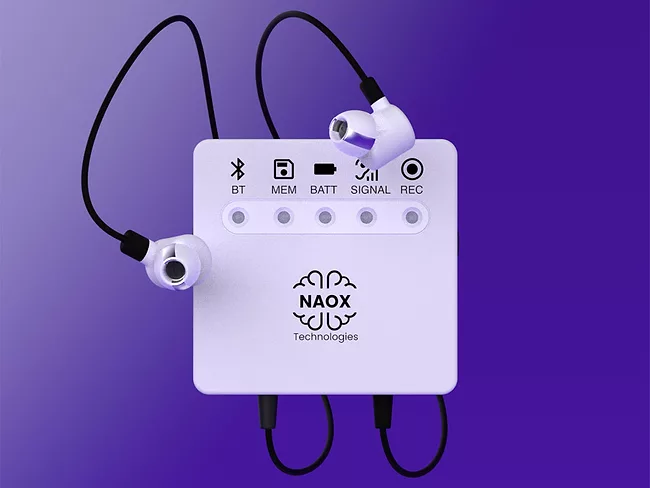
Naox Technologies SAS secured U.S. FDA 510(k) clearance for Naox Link, its in-ear electroencephalography (EEG) device for clinical use both at home and in health care settings. Naox Link is a pair of earbuds the company hopes will transform how the brain activity is monitored, helping diagnose and track a number of conditions affecting the brain.
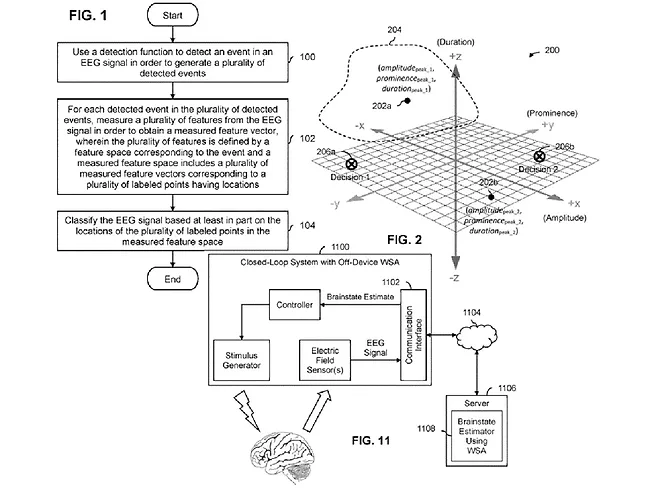
The first patenting from Encephalogix Inc. details its development of platform that uses machine learning and AI to analyze EEG data that is typically ignored.
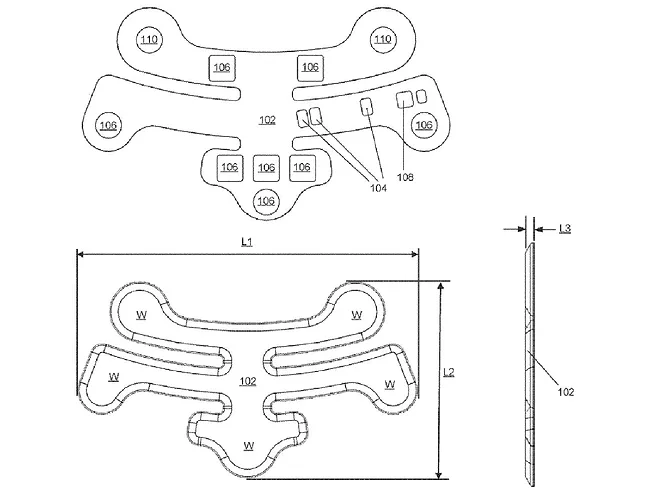
In what represents the first patenting to emerge from Braincapture ApS, its chief executive officer, Tue Lehn-Schiøler, describes the development of a low-cost, portable electroencephalogram device designed to enhance neurological diagnostics in underserved communities around the world.
Quantalx Neuroscience Ltd. filed for protection of a system and method for the diagnosis of normal pressure hydrocephalus and prediction of patient response to ventriculoperitoneal shunting surgery treatment. The U.S. FDA granted the company’s Delphi-MD breakthrough device designation for these indications in May 2023.
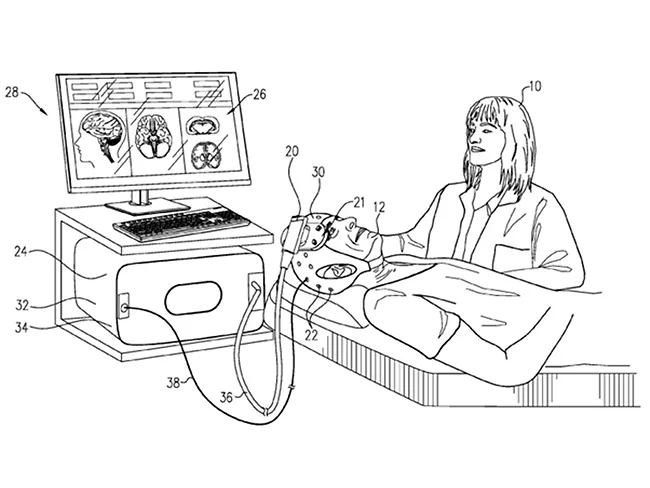
In what represents their first patenting, a researcher from the University of California is seeking protection for non-invasive methods of brain monitoring that use electroencephalography (EEG) to detect new or worsening brain injury in pediatric patients.
Inventors affiliated with Nirsense LLC, are designing somatic and cerebral oximetry devices using functional near-infrared spectroscopy (fNIRS). They have filed for patent protection of wearable systems capable of detecting both optical and non-optical biometric properties of a user to determine their cognitive state.
A team of inventors predominantly based in the state of New York are seeking patent protection for an earbud system that integrates real-time electroencephalography (EEG) monitoring with audio playback. Using specialized silicone electrodes, it captures and interprets EEG data, serving as a passive and continuous tool for screening neurological conditions.
With an ambitious goal of bringing 24/7 electroencephalogram (EEG) capabilities to hospitals across the country, Epitel Inc. closed a $12.5 million series A financing round that it plans to use to fund the initial pilot for commercialization of its wearable, wireless EEG platform. The Epilog platform received FDA clearance for use in hospital emergency departments and critical care units last year.
Nextsense Inc. reported partnerships with global biopharma company UCB SA, Heraus Holding GmbH, the University of California San Diego and Emory University at its first public appearance at the American Epilepsy Society Annual Meeting in Chicago this past weekend. The Nextsense platform uses biosensing earbuds to perform ongoing electroencephalograms (EEGs).
Bioserenity SAS has gained U.S. FDA clearance for the Neuronaute electroencephalography (EEG) system and Icecap EEG wearable device, which aim to help physicians remotely monitor and assess electrical brain activity of people with epilepsy. The company noted that the Icecap and Neuronaute system will facilitate access to care in a variety of settings, including rural and remote environments.