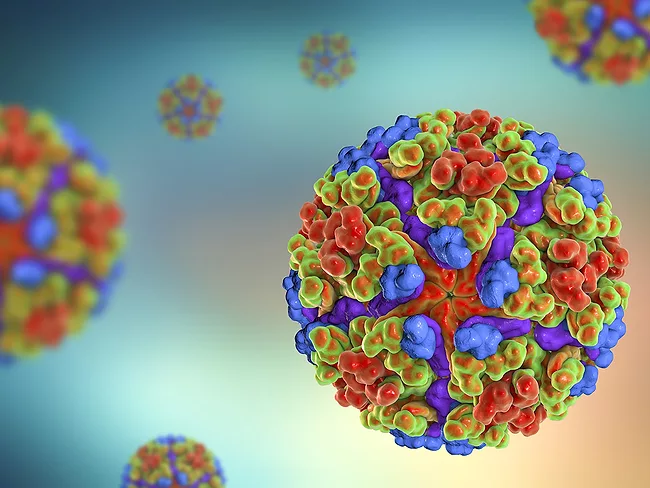
Worrisome new signals caused the U.S. FDA – which earlier this month OK’d revised labeling for Valneva SE’s chikungunya virus vaccine Ixchiq – to suspend the product’s license altogether. Regulators pointed to four added reports of serious adverse events consistent with chikungunya-like illness, and told Valneva, of Saint Herblain, France, that the company must stop U.S. shipping and sales of the product. Shares (NASDAQ:VALN) closed Aug. 25 at $9.43, down $2.21, or 19%.
Infectious disease stocks stumbled in the early months of 2025, with the BioWorld Infectious Disease Index (BIDI) plunging 17.83% by the end of April, well behind the broader markets. By comparison, the Nasdaq Biotechnology Index slipped just 1.16%, and the Dow Jones Industrial Average declined 4.41%. In 2024, the BIDI ended the year down 6.28%, after hitting a low of -25.12% in late April.
The EMA has been sent back to the drawing board to re-evaluate PTC Therapeutics Inc.’s Duchenne muscular dystrophy therapy Translarna (ataluren), after failing to get the usual rubber stamp following its recommendation in January that the drug’s conditional approval be withdrawn.
With Valneva SE’s accelerated approval from the U.S. FDA for chikungunya vaccine Ixchiq, attention turned to the February 2024 meeting of the Advisory Committee on Immunization Practices (ACIP), which will vote on the product. A single-dose, live-attenuated vaccine, Ixchiq is designed to prevent disease caused by the virus in people 18 and older who are at increased risk of exposure to the bug.