Respiratory syncytial virus (RSV) infection is responsible for 3.2 million hospital admissions and about 118,000 deaths in children under 5 years of age. The increased risk of RSV infection (and other infectious diseases) in young children is broadly attributed to their immature immune system. But researchers from University College London have published work suggesting that this is not the only reason.
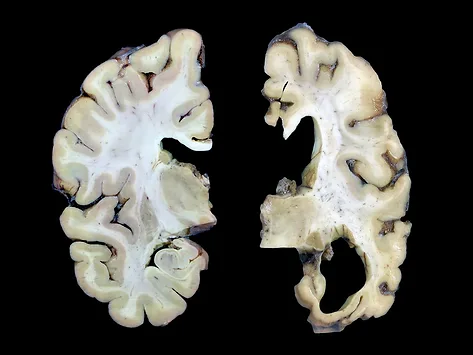
The U.K. is setting up a nationwide registry of people with dementia, who will be pre-screened and consented, to speed up recruitment to clinical trials and collect real-world evidence of effectiveness once therapies are approved.
In a recent study, researchers from Washington University School of Medicine and collaborators analyzed cross-sectional blood samples to identify circRNAs associated with Alzheimer’s disease (AD) clinical status, amyloid-β and tau stages, and progression to symptomatic AD.