First, the good news about pandemics – and in 2024, there was big “good news.” Science Magazine named lenacapavir (Gilead Sciences Inc.) as the Breakthrough of the Year. In two separate trials, lenacapavir prevented HIV transmission with 100% efficacy in cisgender African women and 99.9% efficacy in men and gender-diverse persons when administered twice a year.
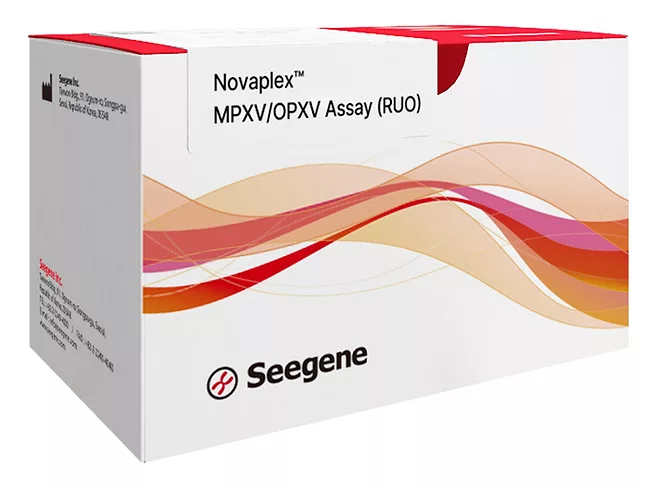
Shares of Chinese and South Korean med-tech companies continued to rise after the World Health Organization declared mpox a public health emergency of international concern Aug. 14 after recent outbreaks.
Although consensus was not reached on the World Health Organization’s pandemic agreement, the World Health Assembly recognized the progress made by member states to develop a pandemic agreement and to strengthen International Health Regulations (IHR, 2005) during the 77th World Health Assembly meeting held May 27 to June 1 in Geneva.
The latest World Health Organization’s (WHO) Pandemic Agreement falls short of protecting all countries in future pandemics, said international patient groups and public health organizations.
South Korea’s Eubiologics Co. Ltd. said it gained the World Health Organization’s (WHO) prequalification designation on April 16 for its simplified oral cholera vaccine, approved as Euvichol-S.
SK Bioscience Co. Ltd. of Seongnam-si, South Korea, gained the World Health Organization’s (WHO) prequalification certification for typhoid conjugate vaccine, Skytyphoid (NBP-618), on Feb. 23. Skytyphoid conjugates a polysaccharide of typhoid bacteria, which serves as an antigen, to a diphtheria toxin protein called diphtheria toxoid that acts as a carrier.
SK Bioscience Co. Ltd. of Seongnam-si, South Korea, gained the World Health Organization’s (WHO) prequalification certification for typhoid conjugate vaccine, Skytyphoid (NBP-618), on Feb. 23. Skytyphoid conjugates a polysaccharide of typhoid bacteria, which serves as an antigen, to a diphtheria toxin protein called diphtheria toxoid that acts as a carrier.
The World Health Organization recently endorsed an economical malaria vaccine with a 75% effectiveness rate, which costs less than half of the initial vaccine (RTS,S/AS01) created two years ago. The new vaccine, R21/Matrix-M, developed by the University of Oxford and the Serum Institute of India, marks a significant milestone after decades of scientific research.
The official end of the COVID-19 public health emergency in the U.S. in May did not mark the end of interest and investment in the area. In the shifting landscape, attention has pivoted to new markets, emerging strains, boosters, and the commercialization and distribution of COVID-19 vaccines and therapies.
The COVID-19 pandemic completely rewrote the script for government responses to communicable diseases, and thus the Biden administration is wasting no time reacting to the emergence of the monkeypox virus. The administration announced June 28 that it has developed a plan to allocate the distribution of large volumes of vaccines, but the CDC has shipped tests to five major commercial lab companies, thus putting the U.S. on a strong footing to respond to the outbreak.