The U.K.’s failure to join the dots from discovery research to patient access to innovative drugs was cited repeatedly by pharma leaders, who were called to an emergency hearing in parliament on Tuesday to explain decisions to pull out of promised capital investments.
Two months after it was launched, the wheels are coming off the U.K. government’s 10-year life sciences strategy, with pharma companies withholding promised capital investments in protest at the row over drug pricing. Merck & Co. Inc., Astrazeneca plc and Eli Lilly and Co. Inc. have said they are not going ahead with previously announced investments.
Drug developer stocks rebounded over July and August, with 23 companies on the BioWorld Drug Developers Index posting gains and only seven declining. The two-month upswing marks a reversal from the February-through-June period, when the index remained in the negative.
A recent paper in the Journal of Clinical Medicine quantified some of the potential bodily ravages ahead for patients with hypoparathyroidism (hypoPT), specifically the loss of kidney function, with the risk of chronic kidney disease going up every year by 11%. A handful of drug developers continue to advance prospects in hypoPT, where Ascendis Pharma A/S’ hormone replacement therapy Yorvipath (palopegteriparatide) – the first and only treatment for adults with the rare endocrine disease – has set the bar for efficacy.
Fractalkine, when binding to its receptor CX3CR1, modulates leukocyte adhesion and acts as a chemotactic agent. The expression of cardiac CX3CR1/fractalkine is elevated in patients with heart failure and CX3CR1 antagonists may improve the cardiac function by modulation of this axis.
Lee Dae-hong founded Aivis Inc. in January 2021 as an AI-powered pathology software company, having led the development of the world’s first commercial under-display fingerprint recognition algorithm that was later incorporated into the Galaxy S10 and Galaxy A series of smartphones of Samsung Electronics Co. Ltd.
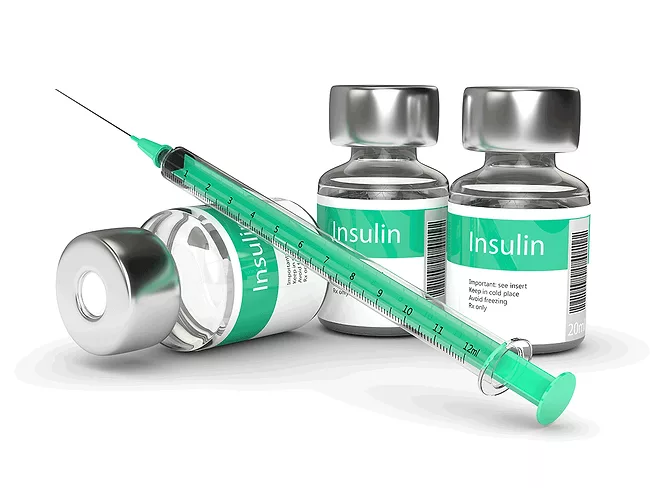
A federal appeals court opened the door Aug. 6 for an amended class-action lawsuit alleging that Astrazeneca plc, Eli Lilly and Co., Novo Nordisk A/S and Sanofi SA engaged in a horizontal price-fixing conspiracy involving insulin products and GLP-1 drugs indicated in diabetes when they each adopted similar policies in 2020 to impose restrictions on 340B discounts to an unlimited number of contract pharmacies.
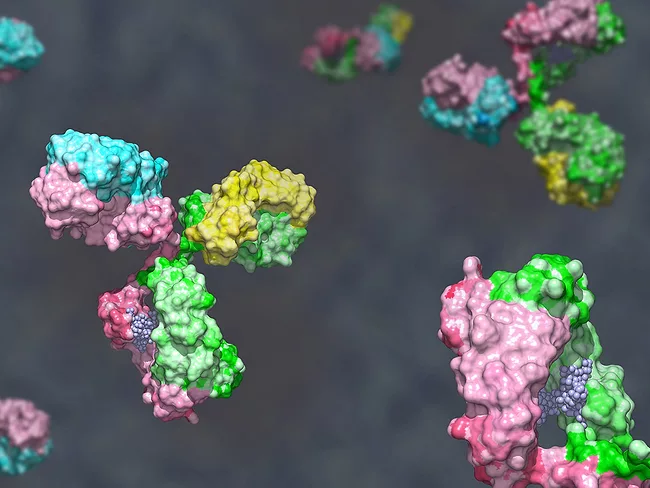
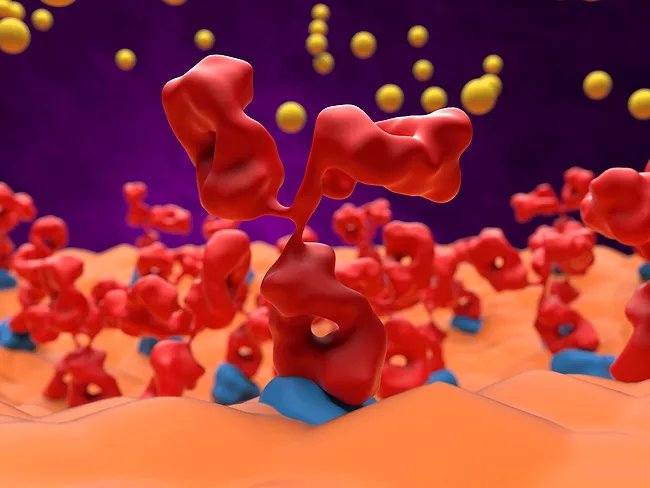
T-cell engagers (TCEs) are a new class of immuno-oncology therapies that have proven effective for the treatment of both solid tumors and hematological malignancies. Among validated targets in this field, claudin 18.2 (CLDN18.2) is one of the most clinically established. Researchers from Astrazeneca plc and collaborators reported the preclinical evaluation of AZD-5863, a bispecific fully human monoclonal antibody targeting claudin CLDN18.2 and CD3.
Astrazeneca plc seems on the way to expanding its presence in myasthenia gravis (MG) with positive “high-level” results from a global, randomized, double-blind, placebo-controlled phase III trial with once-weekly, self-administered gefurulimab in adults with anti-acetylcholine receptor antibody-positive, generalized disease.
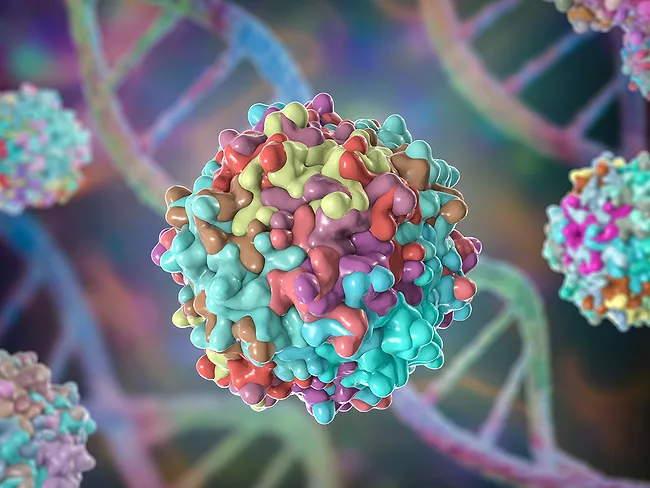
Under a new licensing deal announced July 8, JCR Pharmaceuticals Co. Ltd. granted Alexion Pharmaceuticals Inc. rights to its adeno-associated virus (AAV) capsids for use in up to five of Alexion’s genomic medicines programs.