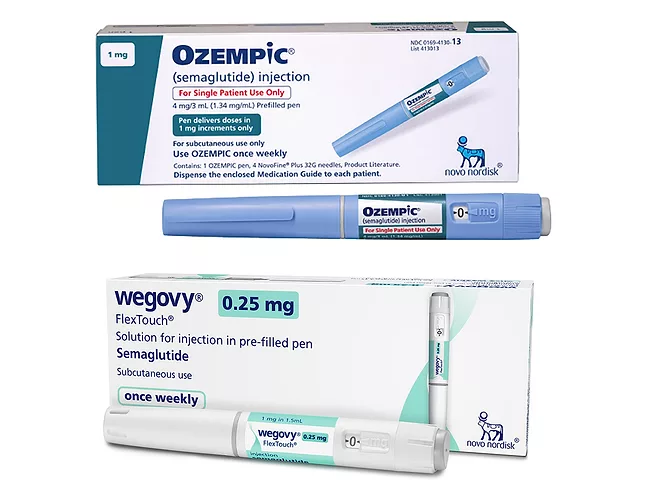
When U.S. CMS Administrator Chiquita Brooks-LaSure announced Nov. 26 that the agency is “reinterpreting” the law in proposing a rule allowing Medicare and Medicaid to cover obesity drugs beginning in 2026, she called it a “historic step.” The rule, if finalized, could make obesity drugs like Novo Nordisk A/S’ Wegovy (semaglutide) and Eli Lilly and Co.’s Zepbound (tirzepatide) available to millions more Americans and further invigorate development of other obesity drugs. But given the lateness of the day in the Biden administration, the proposal may be more symbolic than historic.
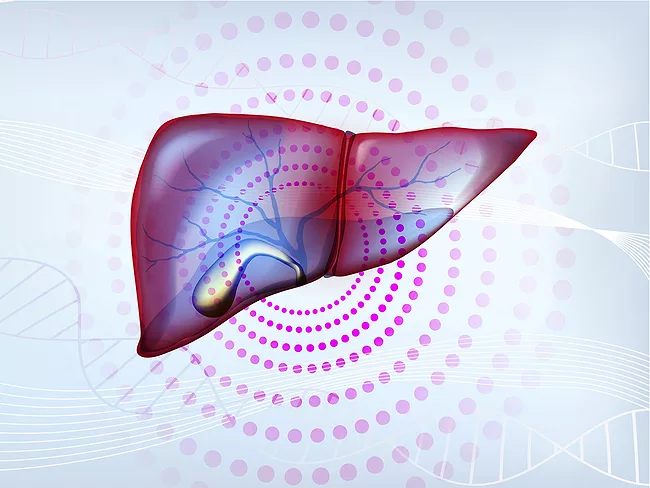
Positive findings from a phase III trial of semaglutide in metabolic dysfunction-associated steatohepatitis (MASH) is moving Novo Nordisk A/S to expand the glucagon-like peptide-1 (GLP-1) agonist’s indications in the U.S. and Europe, the Danish pharma said, as the MASH field sights more novel therapies.
Nearly $3.8 billion was earned by Novo Nordisk A/S and Eli Lilly and Co. in the third quarter for their glucagon-like peptide-1 (GLP-1) drugs to treat obesity. Novo’s GLP-1 drug, Wegovy (semaglutide), approved by the U.S. FDA in June 2021, had sales of DKK17.3 billion (US$2.5 billion), while Lilly’s Zepbound (tirzepatide), which is a GLP-1 and glucose-dependent insulinotropic polypeptide dual agonist FDA-approved in November 2023, posted sales of $1.26 billion for the quarter.
Positive findings from a phase III trial of semaglutide in metabolic dysfunction-associated steatohepatitis (MASH) is moving Novo Nordisk A/S to expand the glucagon-like peptide-1 (GLP-1) agonist’s indications in the U.S. and Europe, the Danish pharma said, as the MASH field sights more novel therapies.
Semaglutide, the glucagon-like peptide 1 receptor agonist from Novo Nordisk A/S, which has seemingly improved every disease it’s been tested on, was a focus at Kidney Week 2024, where researchers presented data from multiple clinical studies in patients with kidney diseases.
Danish pharma giant Novo Nordisk A/S is set to launch its blockbuster glucagon-like peptide-1 therapy, Wegovy (semaglutide), in South Korea’s growing obesity therapeutics market next week, a company official confirmed to BioWorld.
In one of the top series A financings in biopharma history, new company Kailera Therapeutics Inc. emerged with $400 million raised and a pipeline of next-generation assets to treat obesity and type 2 diabetes.
Breakthrough – or even better, revolutionary breakthrough – is perhaps the most overused term in drug development. But the discovery and development of GLP-1 receptor agonists (GLP-1RAs), which was honored with the 2024 Lasker-DeBakey Clinical Medical Research Award just last week, is one of the rare innovations that is deserving of the title.
Given the demand for Ozempic and Wegovy and the revenue the GLP-1 drugs are generating for Novo Nordisk A/S in the U.S., a lot of generic companies are clamoring to cash in on the drugs’ current popularity. And there are some U.S. lawmakers more than willing to oblige.
Breakthrough – or even better, revolutionary breakthrough – is perhaps the most overused term in drug development. But the discovery and development of GLP-1 receptor agonists (GLP-1RAs), which was honored with the 2024 Lasker-DeBakey Clinical Medical Research Award just last week, is one of the rare innovations that is deserving of the title.