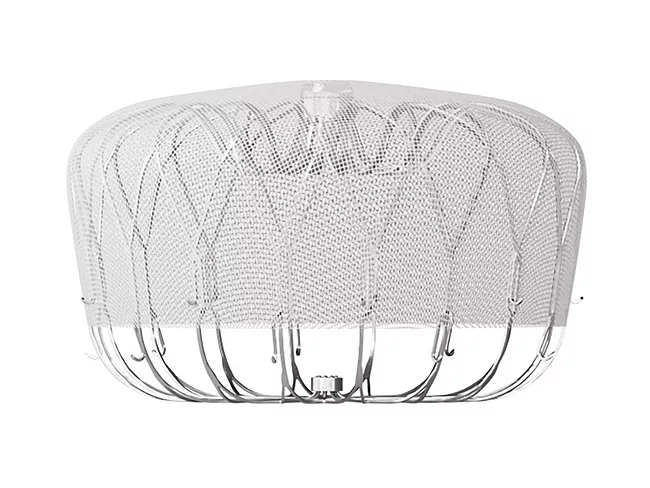
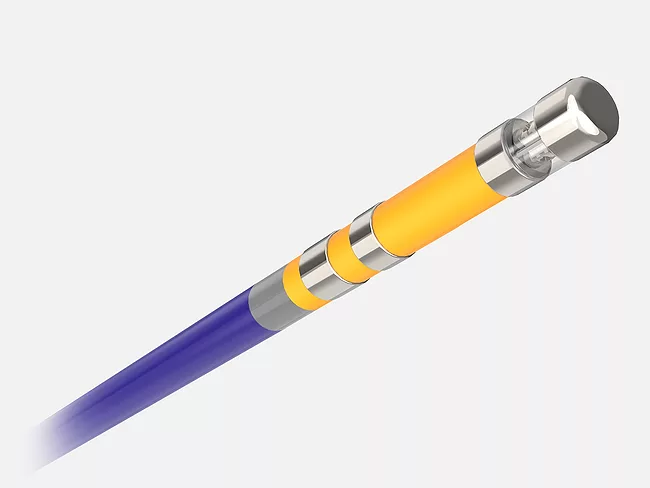
Boston Scientific Corp. cut its guidance for the year on the back of increasing pressure on its Watchman and electrophysiology businesses, two units which have performed strongly in recent years.
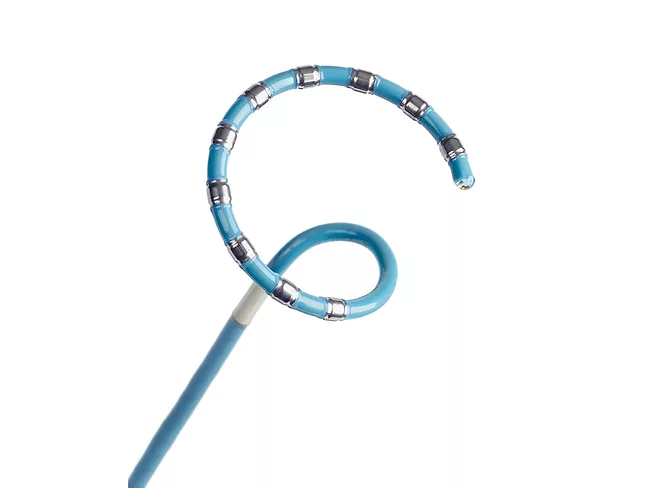
Johnson & Johnson this week launched its dual-energy Thermocool Smarttouch SF platform in Europe bringing another option to physicians looking to enhance their electrophysiology procedures. The system combines radiofrequency (RF) and pulsed field ablation in one device to treat atrial fibrillation, entering what is becoming an increasingly crowded market for cardiac ablation technology.
A subgroup analysis of data from Boston Scientific Corp.’s Champion-AF trial, which looked at the outcomes for patients with atrial fibrillation treated with a left atrial appendage closure (LAAC) device compared to direct oral anticoagulants (DOACs), found that the efficacy and safety of LAAC compared to DOAC are not affected by age. The data were presented at the EuroPCR conference in Paris.
New data on pulsed field ablation (PFA) presented at Heart Rhythm 2026 in Chicago over the weekend continue to show the benefits and superiority of the technologies in treating patients with atrial fibrillation. The PFA landscape is fast-evolving and med-tech players are jostling for market share with ever-differentiated platforms looking to attract electrophysiologists.
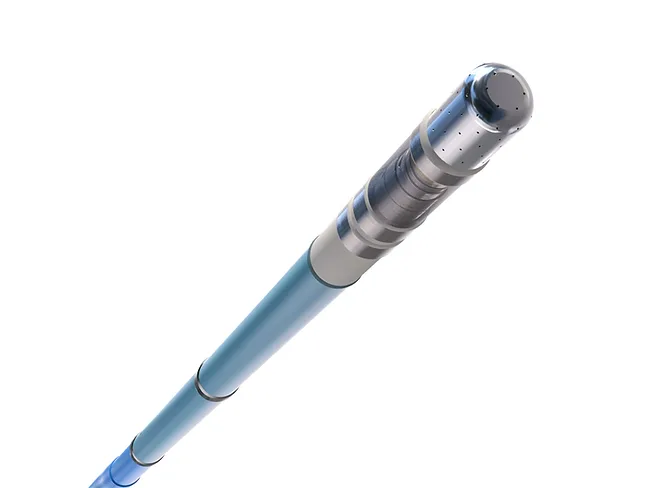
Johnson & Johnson launched its latest pulsed field ablation (PFA) catheter, Varipulse Pro, in Europe following CE mark approval, bringing another option to electrophysiologists looking to adopt PFA technology. The system features a new pulse sequence with a lower temperature profile and enables ablation that is five times faster than the previous sequence, while achieving equivalent lesions. It represents another significant development in the rapidly evolving PFA market that has transformed cardiac ablation treatment.
Boston Scientific Corp. revealed much-anticipated data from the Champion-AF trial which showed that its Watchman FLX device provides superior protection from bleeding compared to non-vitamin K antagonist oral anticoagulants (NOACs) in patients with atrial fibrillation (AF). The left atrial appendage closure device also proved noninferior to NOACs in reducing stroke, cardiovascular death, or systemic embolism.
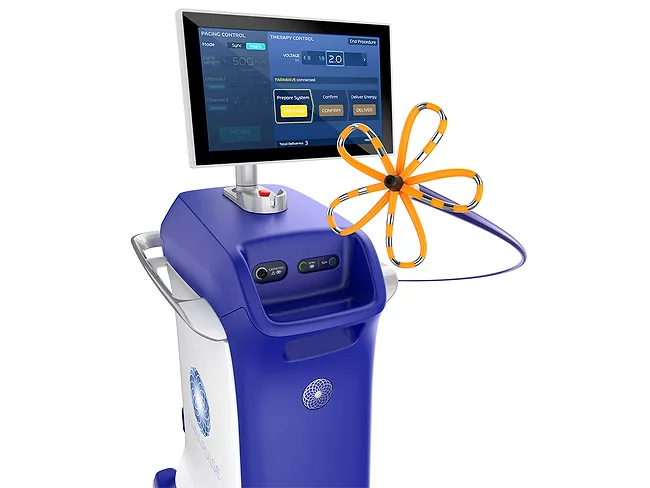
Boston Scientific Corp. recently reported new four-year data on its Farapulse pulsed field ablation platform, which demonstrated that patients with paroxysmal atrial fibrillation achieved better long-term success than those treated with thermal ablation. The data come as sales of the Farapulse system in the U.S. have begun to slow amid rising competition from other PFA technologies, particularly Medtronic plc’s Affera platform.
Boston Scientific Corp.'s Farapoint, its latest pulsed field ablation catheter, received U.S. FDA approval for use as an adjunctive device when treating persistent atrial fibrillation that requires cavotricuspid isthmus ablation, CEO Mike Mahoney reported at the J.P. Morgan Healthcare Conference in San Francisco. The newest member of the popular Farapulse family of PFA catheters provides a focal point option for creation of straight line or focal lesions, complementing the larger, single-shot Farawave catheter that has dominated the PFA market since its U.S. approval in early 2024.
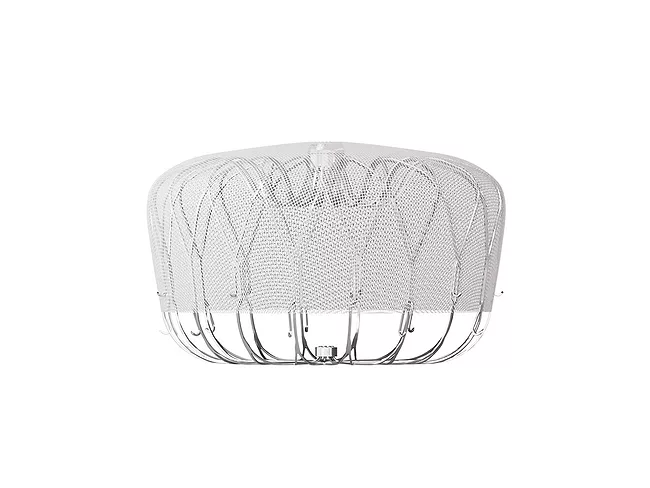
Two years after the U.S. FDA approved the first pulsed field ablation system, Abbott Laboratories finally got the regulatory nod for its Volt PFA system. Abbott follows Medtronic plc, Boston Scientific Corp., Johnson & Johnson and Kardium Inc. in receiving approval for its approval for use of its PFA device to treat atrial fibrillation.
At first glance, the results of the CLOSURE-AF study would seem to spell doom for left atrial appendage closure devices for patients at risk of stroke, but there is some noise in the signal, including that the devices used in the study no longer represent the state of the med-tech art.