Cryoablation for paroxysmal atrial fibrillation (PAF) is not the standard of care, but a recent study may change at least some clinicians’ thinking on that score.
Startup Conformal Medical Inc. has reeled in $85 million in a series C round to support a U.S. pivotal trial of its CLAAS technology, a device designed to seal off the heart’s left atrial appendage (LAA) to reduce the risk of stroke in patients with atrial fibrillation. The financing included participation from new investors Fidelity Management & Research Company LLC and an undisclosed strategic investor.
Makers of devices for ablation for atrial fibrillation (AF) have struggled at times to overcome clinician skepticism, but a new report in a respected medical journal might persuade some of those cardiologists. A study of nearly 28,000 AF patients in South Korea demonstrated that device therapy yielded lower rates of death and admission for heart failure compared to medical therapy, suggesting that ablation is a valid alternative to medical therapy, at least for patients in Asia.
Boston Scientific Corp. reported the U.S. launch of its Directsense technology, a tool to aid electrophysiologists in measuring tissue response to radiofrequency (RF) waves during cardiac ablation procedures. Approved by the FDA in April, the technology is available on the company’s Rhythmia HDx mapping system.
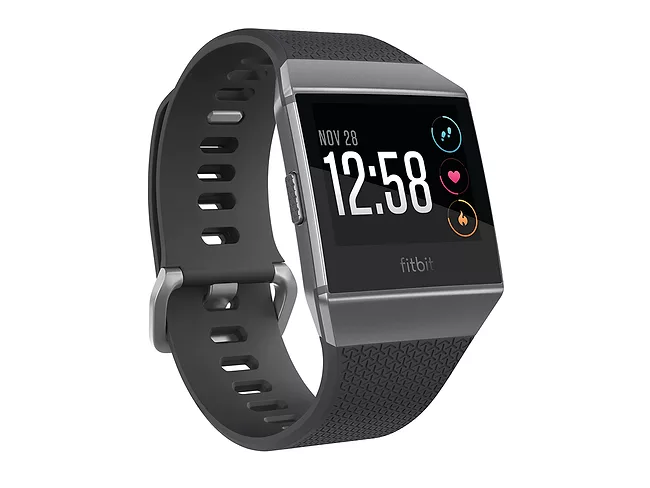
Wearables giant Fitbit Inc. has kicked off its first large-scale, virtual study to evaluate how well its wrist-worn technology can spot episodes of irregular heart rhythm that might indicate atrial fibrillation (AF). The study, part of a broader plan to equip Fitbit devices with new tools to speed the detection of a range of conditions, is open to people in the U.S. ages 22 and older who own a Fitbit that tracks heart rate.
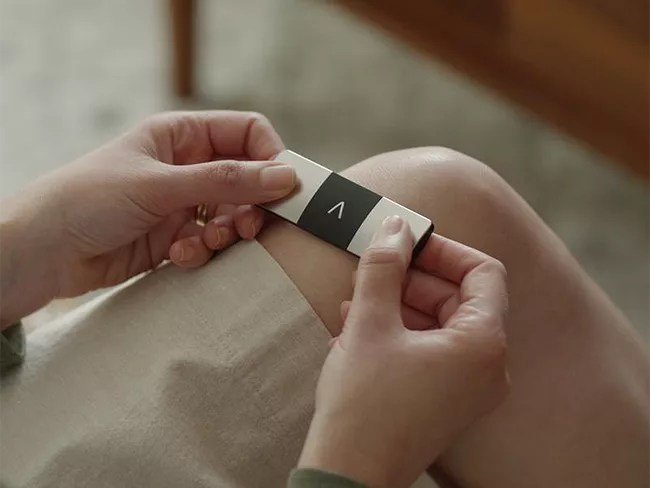
BOGOTA, Colombia – Alivecor Inc., of Mountain View, Calif., is taking its Kardiamobile solution to capture medical-grade ECGs to the Mexican market after receiving clearance from the Comisión Federal para la Protección contra Riesgos Sanitarios, that country’s health care authority.
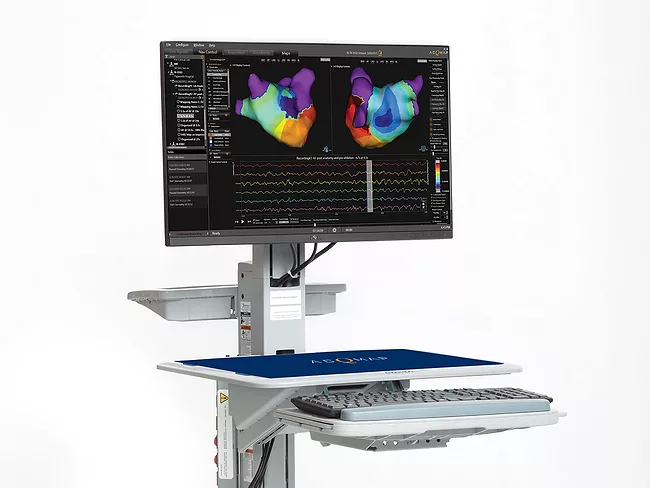
Acutus Medical Inc. is working to build itself into a major competitor in cardiac electrophysiology. The latest step to do so is an FDA clearance for its second-generation cardiac mapping software known as Supermap. This works in conjunction with its next-gen Acqmap 3D Imaging and Mapping System. The Carlsbad, Calif.-based startup, which was founded in 2011, is now marketing these in both the U.S. and Europe, where Supermap received a CE mark in October 2019.
The U.S. FDA has given its nod for a new trial of Abbott Laboratories’ Amplatzer Amulet left atrial appendage (LAA) occluder for those with atrial fibrillation (AF) who are at risk of stroke. Known as the CATALYST trial, it is the first study comparing the effectiveness of a LAA closure device to non-vitamin K antagonist oral anticoagulant (NOAC) drugs, a newer class of blood thinners, the Abbott Park, Ill.-based company said.
Diabetes is the first med-tech sphere that is coalescing for Verily Life Sciences LLC, but cardiology could be next. The South San Francisco-based business that’s part of Google parent Alphabet Inc. has received a second FDA clearance for its Verily Study Watch as an irregular pulse monitor. After a 2017 debut, it was first cleared by the agency about a year ago for use to take an on-demand electrocardiogram (ECG).
Artificial intelligence (AI) health care startup Cardiologs Technologies SAS scooped up $15 million in a series A funding round led by Alven Capital Partners. The Paris-based company, which has an artificial intelligence-based platform to quickly diagnose cardiac arrhythmias, plans to use the money to grow its sales and marketing efforts across North America and Europe. The funds will also be used to advance the platform’s capabilities. Also participating in the financing were previous investors Bpifrance, Isai, Kurma Diagnostics, Idinvest Partners and Paris Saclay Seed Fund.