Acutus Medical Inc. appears to have solved one of the more vexing problems in cardiology, the sheer persistence of persistent atrial fibrillation despite treatment. In a study recently published in Heart Rhythm, the Carlsbad, Calif.-based company demonstrated that 73% of patients undergoing ablation using the new pulmonary vein isolation plus core-to-boundary guided approach experienced acute termination of AF after one procedure, compared to 10% of patients undergoing ablation with the traditional posterior wall isolation approach.
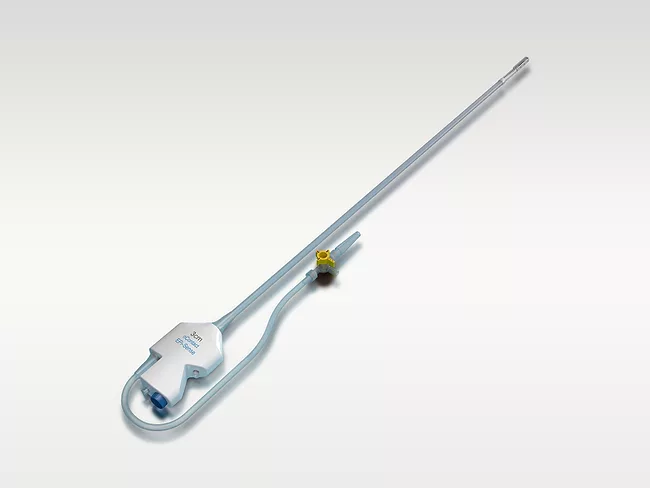
Atricure Inc. has received the green light from the FDA for its Epi-Sense guided coagulation system with Visitrax technology to treat patients diagnosed with long-standing, persistent atrial fibrillation (AF). The device was previously cleared via a 510(k) for the coagulation of cardiac tissue, and is already available in the U.S. The FDA approval represents the first and only minimally invasive ablation therapy for the more than 3 million Americans with longstanding AF.
The U.S. FDA has granted breakthrough device designation to Tempus Inc. for its ECG Analysis Platform. Developed in collaboration with Geisinger, the artificial intelligence (AI)-powered platform helps clinicians identify patients at increased risk of developing atrial fibrillation (AF) or atrial flutter.
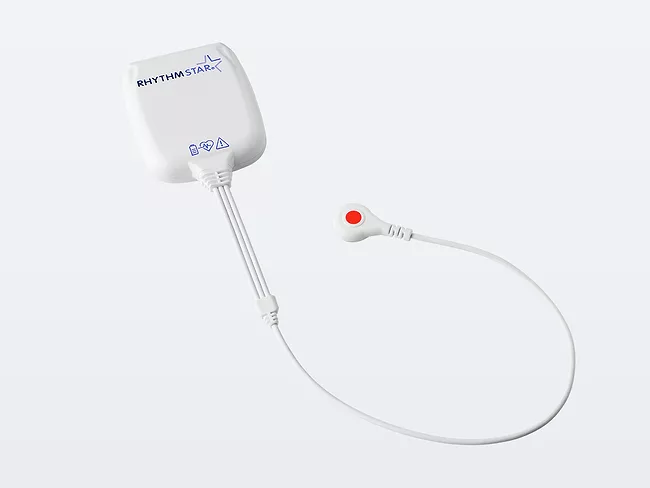
Cardiac monitoring company Rhythmedix Inc. reported the launch of its next-generation, wearable Rhythmstar device with built-in 4G cellular connectivity. The low-profile, water-resistant cardiac telemetry monitor provides extended remote monitoring to quickly detect arrhythmia without the need for a phone or other communication device.
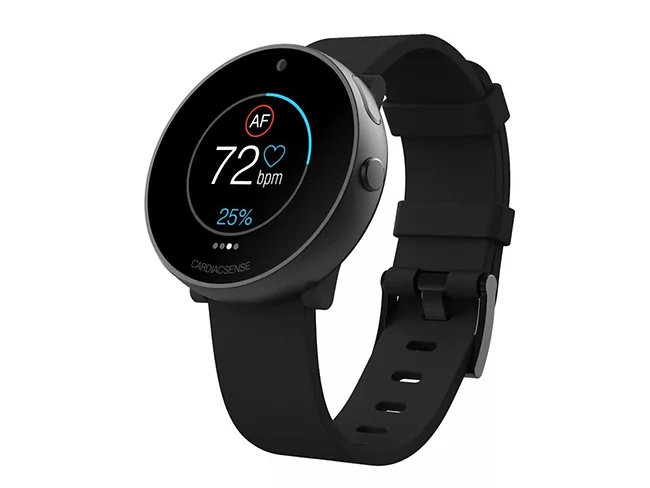
Cardiacsense Ltd.’s medical watch received CE mark for the detection of atrial fibrillation and heart rate variability monitoring. The watch provides continuous, long-term monitoring of heart arrhythmias without cumbersome external devices or invasive implants. The European clearance does not require a prescription for use and will enable the Caesarea, Israel-based company to begin distribution under a number of agreements the company signed in 2020.
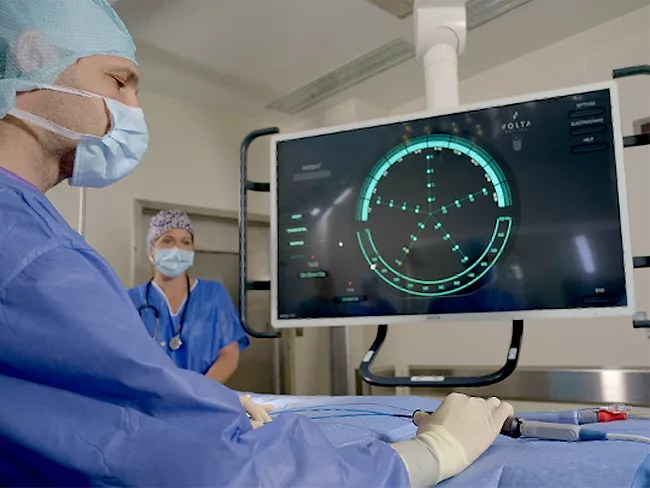
PARIS – Four years after being set up in Marseilles, France, Volta Medical SAS reported raising $28 million in a series A round for the VX1 software mapping system, an artificial intelligence (AI) algorithm that is compatible with most readily available multipolar catheters and technology used in operating rooms and cath labs to treat cardiac arrhythmia.
TORONTO – Kardium Inc. has secured US$115 million in private money to accelerate commercial growth in Europe of a mapping and ablation system for atrial fibrillation (AF), and conduct a clinical study for FDA approval of the system. Led by Fidelity Management & Research Co. LLC, this funding tranche follows a US$40 million investment in Kardium in 2018 driven by T. Rowe Price Associates Inc., which also invested this time around.
Medtronic plc received U.S. FDA premarket approval of its Diamondtemp Ablation (DTA) system for treatment of patients with recurrent, symptomatic paroxysmal atrial fibrillation. The temperature-controlled radiofrequency (RF) ablation system features industrial-grade diamonds, which provide 200 to 400 times the thermal conductivity seen in conventional ablation and enable more efficient delivery of energy to regions of the heart responsible for the erratic electrical signals underlying atrial fibrillation (AF).
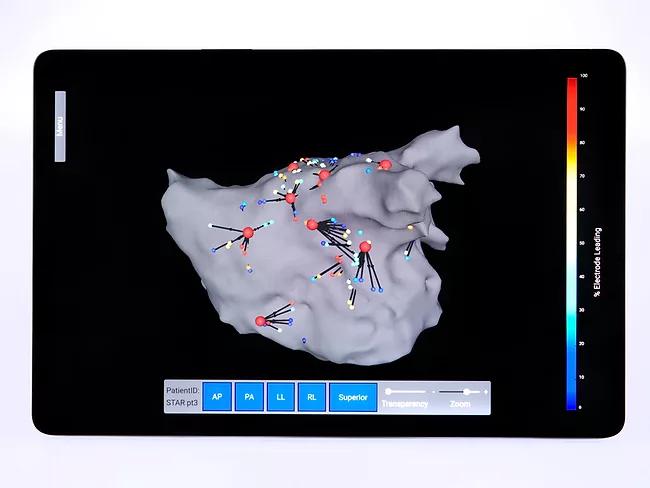
Using Rhythm AI Ltd.'s stochastic trajectory analysis of ranked signals (STAR) mapping system with pulmonary vein isolation terminated and eliminated recurrence of persistent atrial fibrillation (AF) at much higher rates than other ablation procedures in a study published in the Journal of Cardiovascular Electrophysiology. The artificial intelligence-driven STAR mapping process collects and analyzes thousands of heart signals to precisely identify the areas of the heart responsible for the errant electrical signals causing atrial fibrillation, enabling more thorough and accurate ablation.
TORONTO – The 2-French Electrophysiology Catheter (2F) had its Canadian launch in mid-December at Toronto’s Sunnybrook Health Sciences Centre where electrophysiologist Benedict Glover used it to map the small, tortuous branches of the coronary sinus in a patient suffering from cardiac arrhythmia. Developed by Toronto-based Baylis Medical Inc., the 2F is expected to work in tandem with the company’s larger 6F catheter to help diagnose comparatively rare but complex heart arrhythmias.