Ablacon Inc. has revealed the close of a $30 million series B financing, with Zeus Health joining as new lead investor. The company intends to use the funds to advance its product portfolio and expand patient access to the Ablamap system, which has the CE mark.
The U.S. FDA cleared Alivecor Inc.'s Kardia AI V2 interpretive electrocardiogram (ECG) algorithm for use in its personal ECG app and devices. Currently, the Kardia line permits consumers to take a 30-second medical grade ECG at home and instantly see whether they are exhibiting symptoms of atrial fibrillation, bradycardia, tachycardia or have normal heart rhythm.
Medtronic plc's cryoablation could soon put drug therapy on ice in parts of the atrial fibrillation (AF) market, based on results of studies published in the New England Journal of Medicine (NEJM) and presented at the American Heart Association Scientific Sessions 2020.
Adagio Medical Inc., a company focused on the treatment of atrial fibrillation (AF) and ventricular tachycardia (VT), has scooped up $42.5 million in a series E equity financing. The funds are earmarked for the ongoing IDE trial of its intelligent Continuous Lesion Ablation System (iCLAS). They will also be used to accelerate the European VT CE mark study, advance the commercialization of iCLAS in CE-mark countries and further development and clinical validation of its pulsed field cryoablation technology.
San Carlos, Calif.-based Galaxy Medical Inc., which has developed pulsed electric field (PEF) technology for the treatment of cardiac arrhythmias, revealed the first treatments in the ECLIPSE-AF study, which is evaluating the Centauri system. The trial will assess the safety and efficacy of the Centauri as the company looks forward to obtaining a CE mark.
Biosense Webster Inc. reported U.S. FDA approval of its Thermocool Smarttouch SF ablation catheter for the treatment of patients with persistent atrial fibrillation (persistent AF). This follows results of the prospective, multicenter Precept study, which showed the catheter to be safe and effective for 80% of patients over 15 months of ablation therapy with clinically meaningful improvement in quality of life.
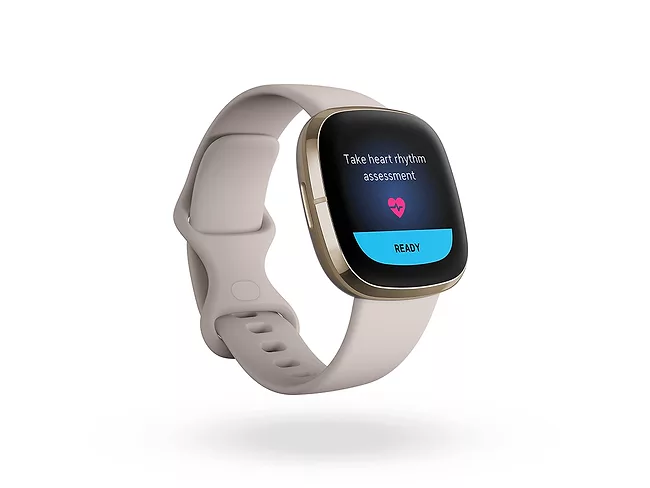
Fitbit Inc. and Apple Inc. picked up the pace in their race to put health monitoring apps on wrists everywhere with Fitbit gaining 510(k) clearance from the U.S. FDA for its new ECG app for the Fitbit Sense and Apple revealing the blood oxygen sensor built into its Series 6 watch this week. The new apps join a growing array of technological advances that permit wearable devices to track and record a range of health metrics.
Advanced diagnostics startup Coremap Inc., which is developing a technology capable of identifying the drivers of atrial fibrillation (AF), scooped up $10.5 million in a series A financing led by Qure Ventures. The funds will be used to accelerate product development and future regulatory submissions. Founded in 2016, the Burlington, Vt.-based company has raised nearly $12 million to date.
The U.S. FDA has been easing gently down the road of real-world evidence (RWE) in regulatory decision-making, and the case of the Watchman left atrial appendage device is instructive in this regard. Robert Shipley, of Boston Scientific Corp. (BSX), said on webinar hosted by the Advanced Medical Technology Association that the FDA changed gears and agreed to a registry for a post-approval study for the first generation Watchman, but added that the use of registry data and other RWE for approval of a next-generation device is as yet more aspirational than practicable.
New medical instruments with integrated soft electronics could improve diagnosis and treatment of cardiac conditions. The surgical tools use soft materials that conform to the body’s tissue and permit a single catheter to combine diagnostic and therapeutic functions while providing real-time feedback and electrophysiological information.