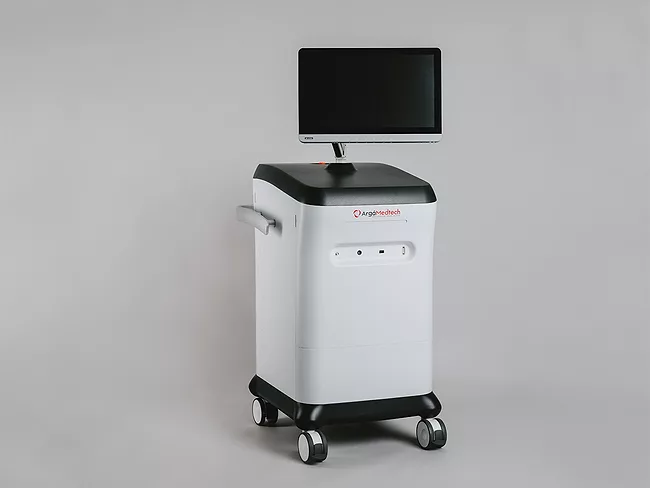
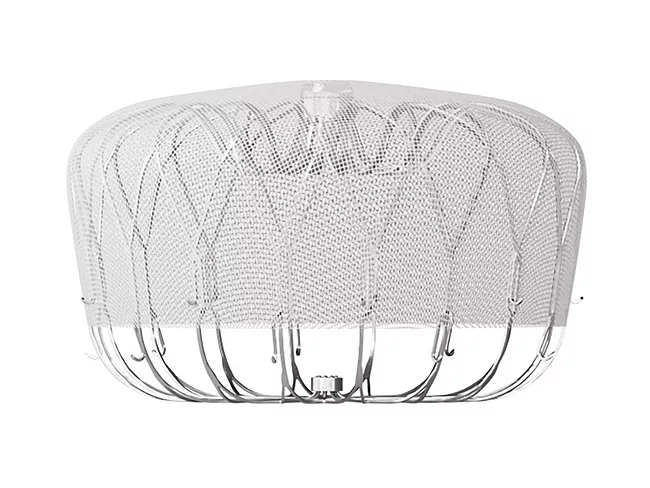
Argá Medtech SA said patients in the first stage of enrollment for a first-in-human clinical trial have been safely and effectively treated with an ablation system for treating atrial fibrillation (AF). The Coherent Sine Burst Electroporation (CSE) system uses a pulsed field ablation (PFA) sine waveform and single, configurable (circular, linear, and focal) ablation catheter to better treat patients suffering from AF.
Milestone Pharmaceuticals Inc. saw a premarket surge in its share price value after a phase III trial of the company’s self-administered, heart rhythm-restoring nasal spray, etripamil, hit its target in a phase III trial, setting up a potential filing with the U.S. FDA in mid-2023.
Boston Scientific Corp. and Abbott Laboratories continue to parry over clinical trials comparing the latter’s Amplatzer Amulet with Boston Scientific’s Watchman in sealing the heart’s left atrial appendage (LAA) to prevent ischemic stroke in patients with atrial fibrillation (Afib). In one of five presentations at the 34th Transcatheter Cardiovascular Therapeutics annual scientific symposium in Boston in mid-September, Abbott said device-related thrombosis or peri-device leak more frequently preceded strokes in patients with Watchman compared to those with Abbott’s Amplatzer Amulet device.
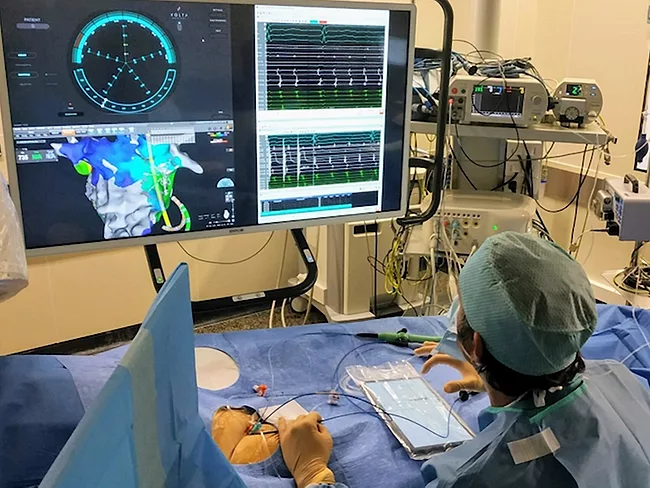
Volta Medical SAS reported validation for its VX1 software mapping system, an artificial intelligence (AI) algorithm compatible with most commonly available multi-pole catheters and technology used in operating rooms and cath labs for treating cardiac arrhythmia. Results from the proof-of-concept-study were published in the Journal of Cardiovascular Electrophysiology.
Shanghai Microport Ep Medtech Co. Ltd. went public on the Shanghai Stock Exchange STAR Market and raised ¥1.17 billion (US$169.5 million) with its initial public offering. The company’s issue price was ¥16.51 per share. After opening at ¥15.50 per share, the share price dived to ¥13.15 at the closing of its first trading day. Microport Ep is an associated company of the Hong Kong-listed Microport Scientific Corp.
Atrial fibrillation (AF) is a very common diagnosed arrhythmia and catheter ablation is an effective treatment, but recurrence occurs after catheter ablation and remains a medical challenge. MicroRNAs can be easily detected in the circulation, and they are epigenetic regulators in many biological processes; their usefulness as biomarkers of risk stratification in patients with AF was investigated.
Medical science has been experimenting with smart devices for several years to determine whether these products can detect circulatory system diseases, and a study presented at the 2022 meeting of the European Society of Cardiology (ESC 2022) seems to strongly suggest that the answer is a resounding yes. The eBRAVE-AF study of more than 5,500 enrollees of middle age or older demonstrated the ability of a smartphone camera and a downloadable app to at beat conventional screening for atrial fibrillation (AF), a finding that could save lives and boost the prospects of device makers in the digital health space.
Factor XIa inhibitors milvexian and asundexian, hailed as the next-generation class of anticoagulants, earned mixed reviews on phase II data presented during the European Society of Cardiology Congress 2022. However, developers Bristol Myers Squibb Co./Janssen Pharmaceutical Co. and Bayer AG, respectively, are moving into late-stage testing, citing clear mechanisms of action that put the FXIa drugs at least on par with approved factor Xa drugs in terms of efficacy while offering potentially better safety profiles that could give physicians an option for patients with stroke or atrial fibrillation who are currently undertreated with anticoagulants due to bleeding risks.
With the launch of the Mawi Heart Patch in the U.S., physicians and patients have a lightweight, wireless heart monitoring system that provides seven days of cardiac information. Using a disposable two-lead system affixed to the chest, the device provides a detailed report within 24 hours and can reduce time to diagnosis by 97%, Mawi Inc. said.
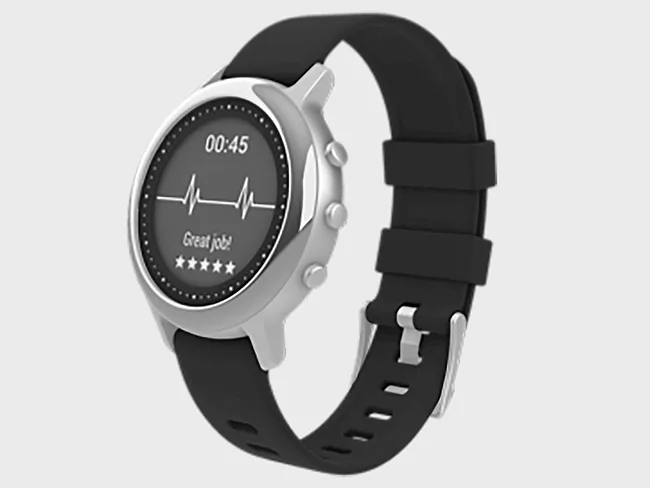
The U.S. FDA has cleared the first clinical grade watch for characterizing atrial fibrillation (afib), the most common type of heart arrhythmia in which the heart beats too slowly or irregularly. Developed by Verily, the health tech arm of Alphabet Inc., together with IRhythm Technologies Inc., the Zio Watch will leverage the ability of IRhythm’s Zeus system to diagnose cardiac arrhythmias by combining wearable biosensing with cloud-based data analytics and artificial intelligence.