Haemonetics Corp. appears ready to make a bit of a retro investment, as it entered into a definitive agreement to acquire Advanced Cooling Therapy Inc. (dba Attune Medical) for $160 million at closing plus undisclosed additional contingent payments. Attune manufactures the U.S. FDA-cleared Ensoetm device, which cools the esophagus during radiofrequency cardiac ablation procedures, a treatment for atrial fibrillation whose days appeared numbered.
Continuing the spate of regulatory approvals for pulsed field ablation (PFA) devices around the world, Johnson & Johnson’s Biosense Webster Inc. unit secured CE mark for the Varipulse platform for treatment of symptomatic, drug-refractory recurrent paroxysmal atrial fibrillation.
The slow pace of financing in med-tech appears to have stimulated cardiac arrhythmia technology developer Adagio Medical Inc. to turn to a special purpose acquisition company (SPAC) in a type of deal that has all but vanished in the last year. The company signed an agreement with Arya Sciences Acquisition Corp. IV to combine in a reverse merger deal that will result in Adagio’s listing on Nasdaq under “ADGM.”
The U.S. FDA added a second pulsed field ablation (PFA) system to the approved list with its greenlight for Boston Scientific Corp.’s Farapulse for treatment of atrial fibrillation (AF). Farapulse joins Medtronic plc’s Pulseselect, which garnered FDA approval in December. Two other PFA devices scored regulatory wins since the new year: Biosense Webster inc.’s Varipulse secured approval from the Japanese Ministry of Health Labor and Welfare and Sichaun Jinjiang Electronic Medical Device Technology Co. Ltd. got the nod from China’s National Medical Products Administration.
Sichuan Jinjiang Electronic Medical Device Technology Co. Ltd. received approval from China’s National Medical Products Administration (NMPA) approval for the commercial use of its PFA technology in the treatment of atrial fibrillation, making it the first pulsed field ablation device to gain approval in the country.
Biosense Webster Inc. scored approval from Japan’s Ministry of Health Labour and Welfare’s (MHLW) for its Varipulse pulsed field ablation platform to treat symptomatic drug-refractory recurrent paroxysmal atrial fibrillation on Jan. 9., making it the first PFA system approved in the country.
There is a strong relationship between heart failure (HF) and atrial fibrillation (AF): half of the patients with HF acquire AF. Recent studies discovered a genetic basis underlying AF, which demonstrated a strong heritable component to this disease.
Bayer AG’s asundexian, considered one of the next generation class of anticoagulants and a potential blockbuster, has failed a phase III clinical trial in atrial fibrillation. The factor XIa inhibitor is one of three with a similar mechanism of action in late stage development by big companies.
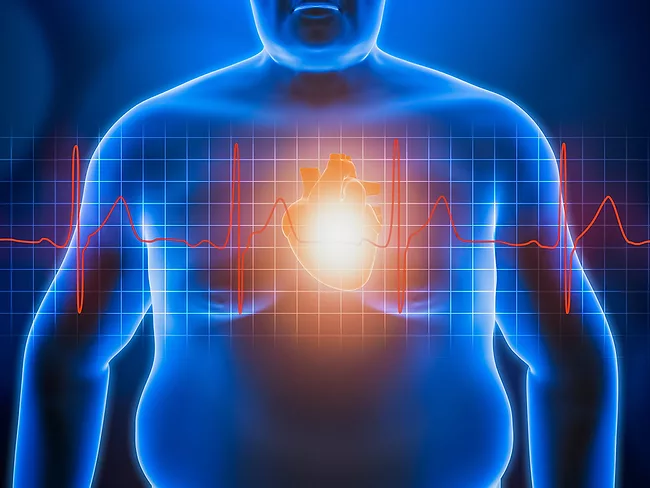
A recognized link exists between oxidative stress, obesity and atrial fibrillation (AF). NADPH oxidase 2 (NOX2) serves as a significant contributor to reactive oxygen species (ROS) production in the heart, and it is known to be elevated in obese mice.
South Korea’s Chong Kun Dang Pharmaceuticals Corp. said that it struck a deal potentially worth $1.3 billion with Swiss pharma giant Novartis AG for its CKD-510 candidate for neurological and cardiovascular diseases, propelling its shares upward 26.11% by market closing of Nov. 6. With the “largest ever” deal in its history, shares of the Seoul-based pharmaceutical (KOSPI:185750) on the Korea Exchange rose by 26.11%, or ₩26,500, closing at ₩128,000 ($98.70).