Medtronic plc has scored a CE mark for its Affera mapping and ablation system for atrial arrhythmias, mere months after acquiring the technology from cardiac solutions company Affera Inc. The dual-use system, which includes the Sphere-9 catheter and Affera Prism-1 mapping software, will be available in Europe beginning in the first half of 2023.
Two research studies by Egnite Inc. presented at the American College of Cardiology Conference (ACC) could shake up the scope of how aortic stenosis (AS) is understood and treated by physicians.
Acesion Pharma ApS reported that its lead drug candidate AP-30663 hit the primary endpoint of a phase II trial in atrial fibrillation (AF). The study had an adaptive design, which allowed for the recruitment of up to 108 patients experiencing an active AF episode, but the study investigators saw sufficient efficacy after a blinded evaluation of just 63 patients to terminate at that point. The study, which began shortly before the COVD-19 pandemic, had been underway for three years at that stage.
Johnson & Johnson’s Biosense Webster division reported that its Qdot Micro diagnostic and ablation deflectable tip catheter secured approval for marketing in China from the National Medical Products Administration where options for treating arrhythmias are seeing growing demand. A radiofrequency (RF) ablation catheter, Qdot Micro reduced total ablation procedure time by nearly 90 minutes.
Pulsed field ablation (PFA) may not be the final word where energy sources for atrial fibrillation (AF) ablation are concerned, but several companies have adopted development programs that propose the use of PFA as an alternative to conventional energy sources. Dublin-based Medtronic plc appears to have at least a narrow lead over the competition in the PFA space thanks to the results of the PULSED AF pivotal study presented at the 2023 American College of Cardiology Scientific Sessions.
Coming off a tough year for raising money, Cadrenal Therapeutics Inc. is leading the charge into a new year by completing 2023’s first U.S. IPO. The company closed its IPO of 1.4 million shares at $5 each for $7 million. The stock (NASDAQ:CVKD) began trading Jan. 20 and closed 9.37% downward on Jan. 25 at $2.90 per share.
Volta Medical SAS reported raising $39 million in a series B round to roll out its VX1 software mapping system in Europe and the U.S. This artificial intelligence (AI) algorithm is compatible with most readily available multi-polar catheters and technology used in operating rooms and cath labs in the treatment of complex cardiac arrhythmia.
The burden of peripheral artery disease is enormous, but clinicians are often stuck deciding whether to treat their patients with critical limb-threatening ischemia (CLTI) by endovascular means rather than conventional bypass surgery.
Few disease states in the world of cardiology have been studied as persistently as atrial fibrillation (AF), but new study data presented in Chicago at the 2022 scientific sessions of the American Heart Association seem to advance the cause of an ablation-first strategy for some patients experiencing paroxysmal AF. The PROGRESSIVE-AF study demonstrated that patients who are ablated early in the disease cycle are less likely than those placed on drug management to experience recurrence and to be readmitted, just two of several findings that are driving cardiologists toward device therapy and away from drug therapy for their patients with AF.
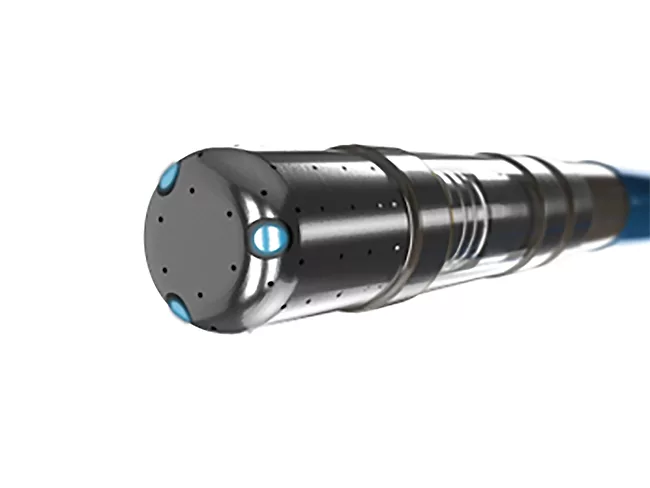
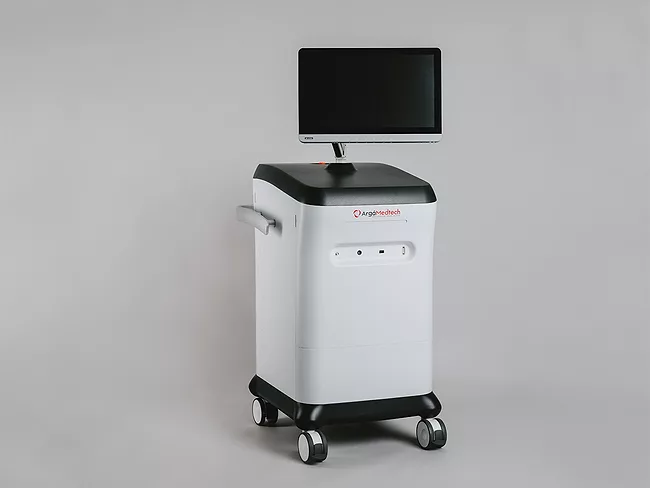
Argá Medtech SA said patients in the first stage of enrollment for a first-in-human clinical trial have been safely and effectively treated with an ablation system for treating atrial fibrillation (AF). The Coherent Sine Burst Electroporation (CSE) system uses a pulsed field ablation (PFA) sine waveform and single, configurable (circular, linear, and focal) ablation catheter to better treat patients suffering from AF.