With a move into Lilly Gateway Labs in Boston’s Seaport District, privately held Tevard Biosciences Inc. is ramping up development of its transfer RNA (tRNA)-based therapies to cure everything from Dravet syndrome and other neurological conditions to cardiology indications and muscular dystrophies.
In what represents the first patenting to emerge from Braincapture ApS, its chief executive officer, Tue Lehn-Schiøler, describes the development of a low-cost, portable electroencephalogram device designed to enhance neurological diagnostics in underserved communities around the world.
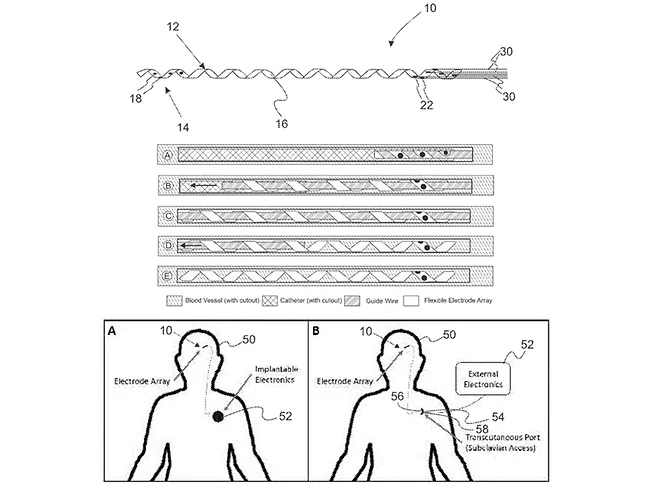
Researchers from the University of Southern California filed for protection of a thin film electrode array they developed to be implanted using endovascular methods for minimally invasive, high-resolution electrical recording and stimulation of the nervous system and other electrogenic tissue.
Adherens junction-associated protein 1 (AJAP1) is a transmembrane protein that inhibits tumor cell migration and is a susceptibility gene for migraine. Recent hypotheses have pointed toward the potential involvement of AJAP1 in epilepsy and other neurological disorders.
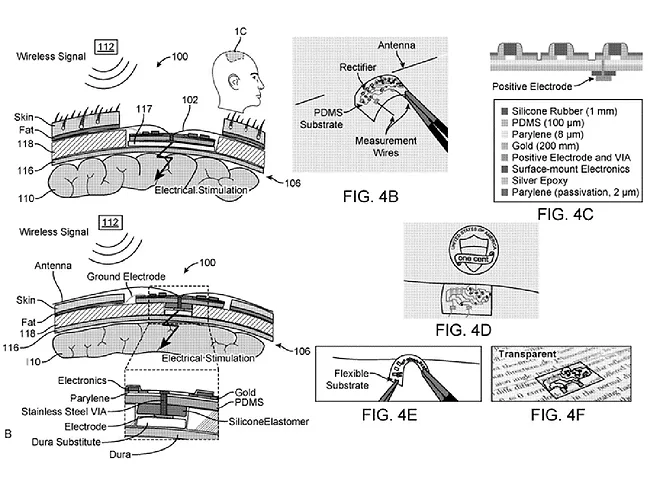
Researchers from Arizona State University and Mayo Clinic have filed for protection of wireless, battery-free brain implants which may be used in the monitoring, stimulation, and treatment of epilepsy, tumors, neurodegenerative disorders, neuroinflammatory conditions and trauma.
Disappointing top-line data from two failed phase III studies of soticlestat for Dravet syndrome (DS) and Lennox-Gastaut syndrome (LGS) have crumpled the stock of co-developer Ovid Therapeutics Inc., which lost three-quarters of its value June 17.
Disappointing top-line data from two failed phase III studies of soticlestat for Dravet syndrome (DS) and Lennox-Gastaut syndrome (LGS) have crumpled the stock of co-developer Ovid Therapeutics Inc., which lost three-quarters of its value June 17.
Researchers from Charité University Hospital Berlin and affiliated organizations presented data from a study that linked variants in ANO4 to different types of epilepsy.