Epileptic encephalopathy due to mutations in the STXBP1 gene, also known as genetic epilepsy, is a rare disease characterized by intellectual disability, speech and motor impairment and behavioral issues, among others, that affects 1 in every 30,000 newborns and which has no approved therapies to date.
Researchers from Bright Minds Biosciences Inc. presented data on the mechanism of action of BMB-101, a novel scaffold 5-HT2C Gq-protein biased designed to treat drug-resistant neurological disorders.
Sea Pharmaceuticals LLC has announced it is advancing two new orally administered neurotherapeutic molecules for neurological disorders. SPM-0404 and SPM-0606 are biologically active as dual AMPA receptor (AMPAR) and kainate receptor (KAINR) antagonists.
The FDA has granted orphan drug designation to Capsida Biotherapeutics Inc.’s CAP-002, an investigational gene therapy for the treatment of developmental and epileptic encephalopathy due to syntaxin-binding protein 1 (STXBP1) mutations.
Cureverse Inc. and Angelini Pharma SpA signed a potential $360 million deal for CV-01, an oral small-molecule candidate for Alzheimer’s disease and neurological disorders like epilepsy. As a novel candidate, CV-01 suppresses neuroinflammatory reactions through the Kelch-like ECH-associated protein 1 and nuclear factor erythroid 2-related factor signaling pathway.
The adenosine A1 receptor (A1R) modulates ionic conductance in neuronal membrane and contributes to the anticonvulsant and neuroprotective role of the endogenous neuromodulator adenosine. Because A1Rs are present all throughout the body, the development of A1R modulation as antiseizure strategy may face difficulties such as side effects in the heart or other organs.
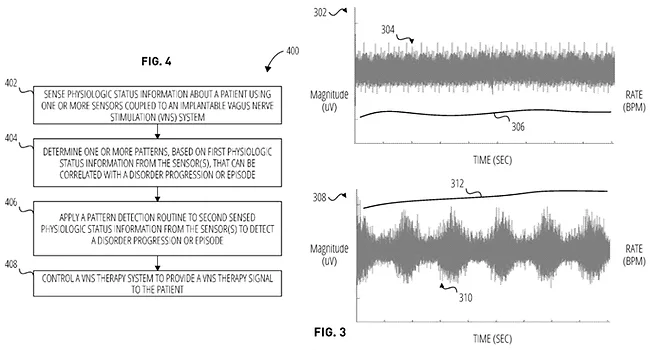
In what represents its first patenting, Roseville, Minn.-based Iveacare Inc. provides insights as to what its first therapeutic target will likely be since the developer of neuromodulation therapy devices emerged from stealth mode in April 2024 with the closing of $27.5 million series A financing.
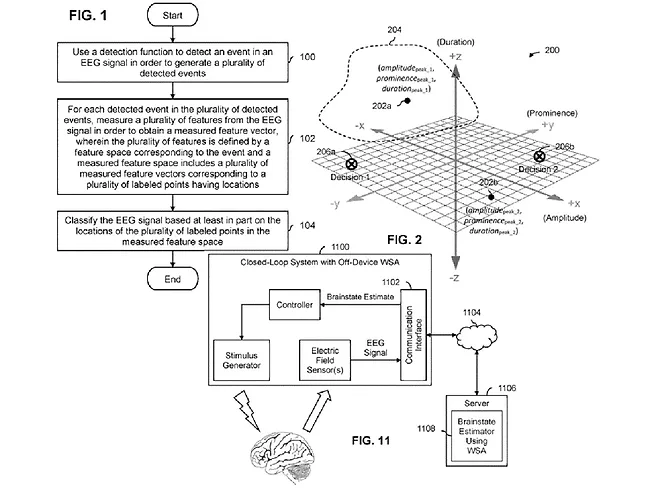
The first patenting from Encephalogix Inc. details its development of platform that uses machine learning and AI to analyze EEG data that is typically ignored.
UCB SA is divesting its mature neurology and allergy business in China, selling those products to CBC Group and Mubadala Investment Co. for $680 million so it can refocus on innovation and partnerships in China. The deal includes UCB’s manufacturing site in Zhuhai in Guangdong province.
With a move into Lilly Gateway Labs in Boston’s Seaport District, privately held Tevard Biosciences Inc. is ramping up development of its transfer RNA (tRNA)-based therapies to cure everything from Dravet syndrome and other neurological conditions to cardiology indications and muscular dystrophies.