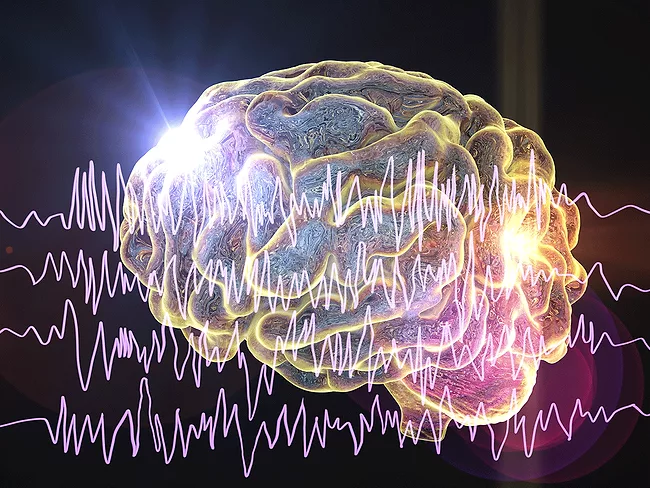
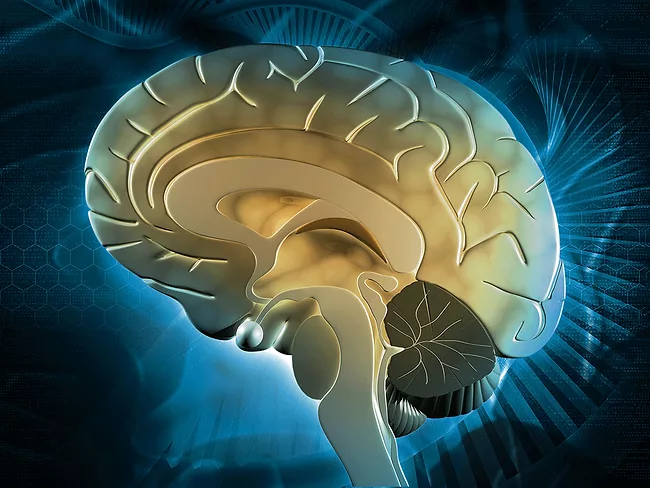
Researchers from Kyungpook National University presented data from a study that aimed to investigate the endogenous mechanisms involved in granule cell dispersion (GCD) and its role in epileptic seizures in temporal lobe epilepsy (TLE).
Angelini Pharma SpA and JCR Pharmaceuticals Co. Ltd. signed an exclusive worldwide agreement for the development and commercialization of biologic therapies for epilepsy based on the J-Brain Cargo technology.
Angelini Pharma SpA and JCR Pharmaceuticals Co. Ltd. have entered into an exclusive global development and commercialization agreement for the development of novel biologic therapies that applies J-Brain Cargo blood-brain barrier penetrating technology for the treatment of epilepsy, applying undisclosed effectors.
Xenon Pharmaceuticals Inc. has synthesized pyridinyl derivatives acting as sodium channel protein type 1 subunit α (SCN1A; Nav1.1) activators reported to be useful for the treatment of epilepsy.
Hangzhou Healzen Therapeutics Co. Ltd. has divulged potassium voltage-gated channel subfamily KQT member 2/3 (KCNQ2/3) activators reported to be useful for the treatment of epilepsy, among others.
Equilibre Biopharmaceuticals Corp. has positive top-line data from the phase II study of its lead asset, EQU-001, an anti-inflammatory adjunctive therapy for treating focal seizures for adults with epilepsy.
Malformations of cortical development (MCD) are a group of neurodevelopmental disorders characterized by malformation of cortical structures, which often lead to epilepsy, and include cortical dysplasia (FCD), hemimegalencephaly (HME) and tuberous sclerosis complex (TSC).
It has been shown that site-specific phosphorylation of tau at threonine 205 (T205) by the kinase p38γ disengages tau from toxic pathways, thus acting as a neuroprotective function in Alzheimer’s disease. Researchers in Australia have designed a novel AAV-based gene therapy approach targeting p38γ, DBA/2.p38γCA, in murine models of epilepsy in which tau is known to play a neurotoxic effect.