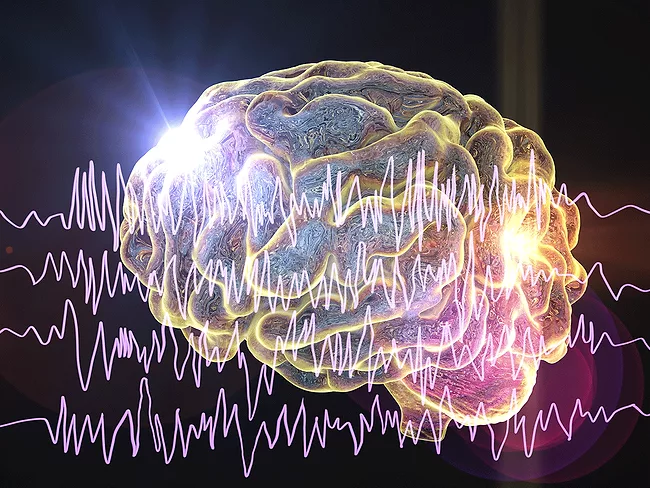
A cloud-based web application for long-term brain monitoring has received a CE mark to support personalized management of neuro-disorders such as epilepsy. Developed by Swiss neuroscience research organization Wyss Center, Epios Cloud displays and reviews electroencephalogram (EEG) recordings made by EEG devices using scalp and sub-scalp electrodes, heart rate and accelerometer measurements.
Investigators working at Gladstone Institutes reported new insights into sleep disturbances and seizures that can be a late consequence of even mild traumatic brain injuries (TBI), and how we may one day best treat these conditions by targeting the complement pathway.
Zhejiang Jingxin Pharmaceutical Co. Ltd. has in-licensed JBPOS-0101, a class I new drug for epilepsy, from Bio-Pharm Solutions Co. Ltd. for mainland China, Hong Kong, and Macau. The partnership could bring South Korea’s Bio-Pharm more than $40 million, including an up-front payment of $5 million, milestone payments of up to $35 million, and potential royalties on future sales.
The U.K.’s Competition and Markets Authority (CMA) has accused Pfizer Inc., together with a smaller U.K. player, of illegally overcharging the National Health Service (NHS) for the anti-epilepsy drug branded Epanutin (phenytoin sodium) before it went off patent in 2012.
KT Corp. took its first step into the digital therapies space by entering into an agreement with Neurosigma Inc. to develop electronic therapies to treat neurological and neuropsychological disorders, including attention deficit hyperactivity disorder (ADHD), depression and epilepsy. KT will support the design and development of Neurosigma’s next-generation versions of external trigeminal nerve stimulation (eTNS) products that incorporate artificial intelligence (AI), big data and cloud capabilities.
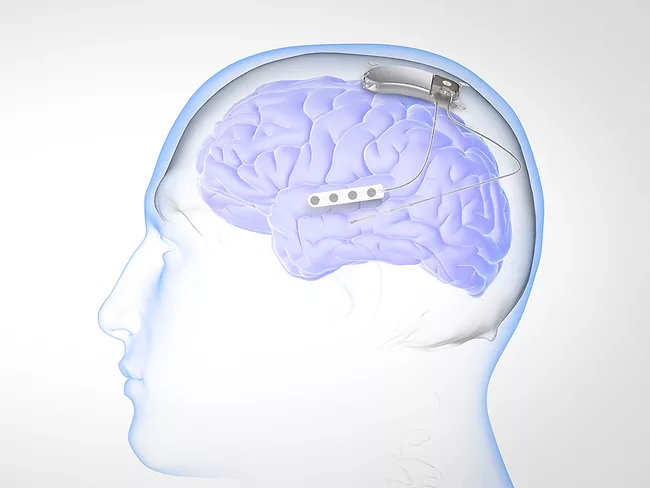
Neuropace Inc. nabbed $9 million in the form of a five-year NIH grant as part of the Brain Research through Advancing Innovative Neurotechnologies (BRAIN) Initiative. The grant will support the study of the Mountain View, Calif.-based company’s Responsive Neurostimulation (RNS) system in patients with Lennox-Gastuat syndrome (LGS), a debilitating form of epilepsy.
Gene therapy specialist Uniqure N.V. said Tuesday that, with confidence inspired by new 52-week data on its investigational hemophilia B therapy, etranacogene dezaparvovec, it plans to submit a BLA for the program with partner CSL Behring LLC in first quarter of 2022. Uniqure meanwhile has moved to acquire Corlieve Therapeutics SAS and its lead program to treat temporal lobe epilepsy, the most common form of focal epilepsy. The acquisition, worth up to €250 million (US$297.3 million) for Corlieve, includes €46.3 million cash up front.
LONDON – Wise Srl has received CE marking for its cortical strip electrode, validating the underlying flexible electronics technology and opening the door to the development of implantable devices for long-term neurostimulation.
PERTH, Australia – The launch of Australia’s first medical device development and manufacturing facility in Melbourne is set to fast-track new treatments for people with conditions such as epilepsy, Parkinson’s disease, hearing loss, stroke and diabetes.
In the last decade, responsive neurostimulation (RNS) has become a mainstay of treatment for refractory focal epilepsy, but challenges with the technology remain. Researchers at Columbia University in New York appear to have overcome some of the major limitations through development of a compact, flexible, high performance implantable device that permits reading and manipulation of brain circuits.