What could be Cytokinetics Inc.’s first approved drug will take center stage Dec. 13 at a meeting of the U.S. FDA’s Cardiovascular and Renal Drugs Advisory Committee. But judging from the FDA’s briefing document for the meeting, the spotlight on the heart failure drug, omecamtiv mecarbil, could be harsh.
Cardiai Inc. has developed a small, portable monitor that continuously measures patients’ blood pressure (BP) at regular intervals for up to seven days, well beyond the single measurements historically done in a doctor’s office.
Increased expression and elevated levels of matrix metalloproteinase-2 (MMP-2) and MMP-9 play a role in impaired cardiac function. These MMPs make for essential targets in the treatment of heart failure, specifically heart failure with preserved ejection fraction (HFpEF).
Six minutes of walking data collected by a smartphone sensor could provide population level health screening, researchers reported in PLOS Digital Health. The study tracked more than 100,000 people as they went about their day wearing activity monitors similar to motion sensors used in smartphones. The sensors captured information on intensity from short burst of walking to predict five-year mortality risk, independent of age and sex.
Johnson & Johnson (J&J) agreed to acquire circulatory support device maker Abiomed Inc. for $380 per share in cash, corresponding to an enterprise value of $16.6 billion and a more than 50% premium on the share price as of the market close on Oct. 31. Abiomed shareholders will also receive a non-tradeable contingent value right that entitles them to $35 per share in cash, if certain milestones are met. That would bring the premium to 60%.
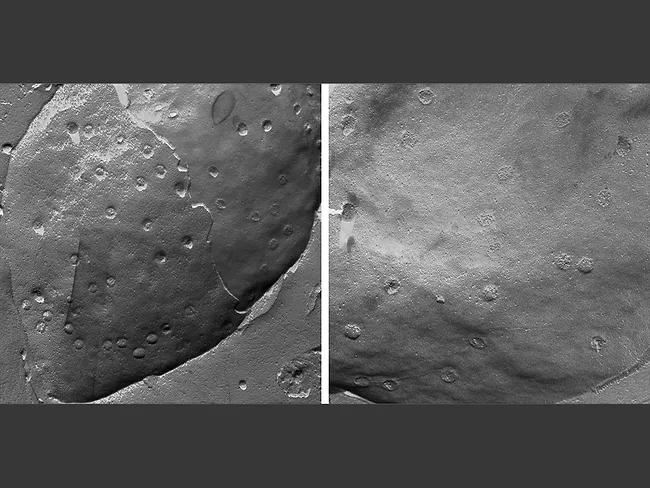
As they matured from prenatal to adult, heart cells reduced the number of nuclear pores by more than 60%. That decrease protected them from the consequences of stress, but also impaired their ability to regenerate. “These findings are an important advance in fundamental understanding of how the heart develops with age and how it has evolved to cope with stress,” senior author Bernhard Kühn, professor of pediatrics and director of the Pediatric Institute for Heart Regeneration and Therapeutics at the University of Pittsburgh School of Medicine, said in a press release. Kühn and his colleagues published those findings in the Oct. 24, 2022, issue of Developmental Cell.
Vivasc Therapeutics Inc. has initiated work under a second National Institutes of Health (NIH) phase I STTR research grant, in conjunction with Georgetown University.
At the third time of asking, Scpharmaceuticals Inc. has seen its subcutaneous loop diuretic, Furoscix (furosemide), approved by the U.S. FDA for patients with worsening heart failure, although the news was greeted initially by a shock slump in the firm’s share price.
The coagulation factor XI (FXI) from the liver acts as an endocrine molecule in the heart, protecting it from heart failure. Scientists at the University of California, Los Angeles (UCLA) found that this communication between the two organs is mediated by the interaction between FXI and a heart protein. This interaction activated genes in cardiomyocytes that reduced inflammation, fibrosis and diastolic dysfunction, protecting the heart from a heart attack. That FXI participates in preventing heart failure suggests the possibility of using it as a therapeutic target.
Medshine Discovery Inc. has patented substituted pyridine-2,4-dione derivatives acting as cardiac myosin inhibitors. As such, they are reported to be useful for the treatment of hypertrophic cardiomyopathy and heart failure.