There is a need regarding cardiovascular disease and heart failure for a therapy that reverses the progression of ventricular dysfunction. Previous findings have shown that cardiomyocytes during cardiac dysfunction show an accelerated telomere shortening, thus leading to DNA damage.
Magenta Medical Ltd. has raised $55 million to fast-track the development of the world’s smallest left ventricular assist device (LVAD). The financing round was led by Orbimed Private Investment LLC. With the participation of existing investors, New Enterprise Associates, Pitango VC Ltd. and Alive MS Ltd. “We will use this funding, in particular, to advance the clinical programs in the U.S. towards our first FDA approval,” David Israeli, CEO of Magenta Medical, told BioWorld.
Andera Partners led a $48.5 million series A financing round for Bioventrix Inc. which will allow the medical device company to complete its premarket approval (PMA) submission for the Revivent TC system. Andera joined Cormorant Asset Management and Squarepoint Capital as new investors in Bioventrix. Existing investors, Taglich Brothers Inc. and Richmond Brothers, also contributed to the fundraising.
Studies in animal models and humans have identified an important role for peripheral chemoreceptors in the pathogenesis of heart failure. Thus, inhibiting their hyperactivity has been proposed as a potential therapeutic strategy for this major public health problem.
Shanghai Institute of Materia Medica of the Chinese Academy of Sciences and Tongji Hospital have disclosed sulfonylurea compounds acting as bifunctional epoxide hydrolase 2 (EPHX2; sEH) inhibitors reported to be useful for the treatment of heart failure.
Yongrenxin Medical Instrument Co. Ltd. raised nearly $100 million in a series A funding round to build a health platform to treat heart failures. Sinovac Biotech Ltd. led the round.
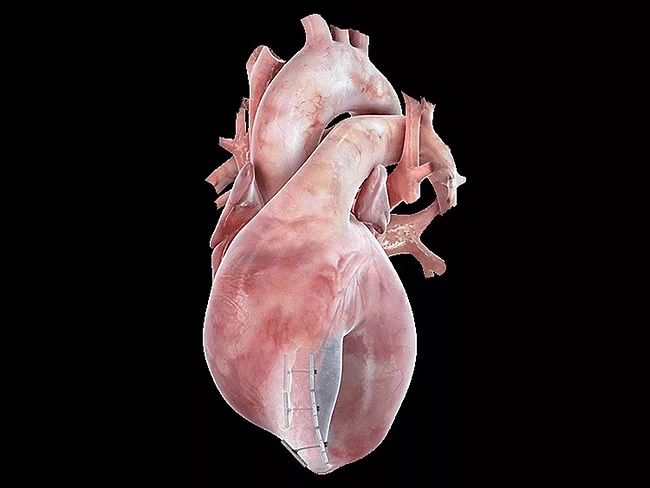
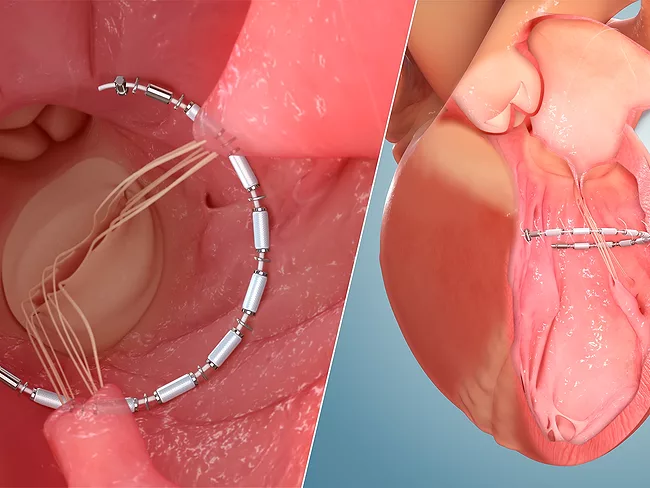
Ancora Heart Inc. reported 12-month data showing its Accucinch system significantly improves outcomes in heart failure (HF) patients, including positive changes in cardiac structure and function. The results, presented at the Technology and Heart Failure Therapeutics conference (THT 2023) in Boston, were simultaneously published in the Journal of Cardiac Failure.
Andera Partners and Novo Holdings A/S led a financing round which raised $25 million for Fire1 Ltd. and will accelerate the development of the company’s remote monitoring technology that improves outcomes for heart failure patients. Andera and Novo are new investors in Fire1 and were joined in the fundraising round by existing investors Gilde Healthcare, Gimv, the Ireland Strategic Investment Fund, Lightstone Ventures, Medtronic plc, New Enterprise Associates and Seventure Partners.
Aquapass Medical Ltd. has readied a pre-submission plan for the FDA this month to advance technology designed to reduce hypervolemia or fluid overload in patients suffering from heart failure, kidney failure or lymphedema. Conjuring up images of an astronaut stepping out onto a NASA loading dock, the Microclimate Suit uses low humidity and fast flowing air on the patient’s skin to evaporate excess bodily fluids. The suit won FDA breakthrough device designation in December 2022.
The U.S. FDA issued Cytokinetics Inc. a complete response letter (CRL) for omecamtiv mecarbil, branding the clinical evidence behind it as not “persuasive” enough to establish its effectiveness for reducing the risk of heart failure events and cardiovascular death. The company is developing the drug as an add-on therapy for patients with worsening heart failure who remain at high risk for heart failure events and hospitalization.