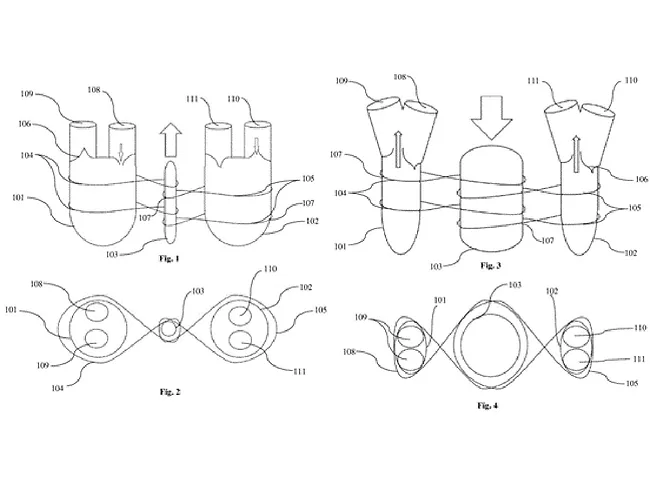
Researchers from the Academic Medical Center (AMC) University of Amsterdam are seeking protection for their invention of a total artificial heart which is compact, durable and mimics the natural movement of human tissue.
Windtree Therapeutics Inc. has renewed its partnership with Chang Gung University to further research on SERCA2a, an important target for the company’s cardiovascular portfolio.
The $4.5 million in seed funding that Acorai AB recently raised will allow the company to continue its forward momentum in developing its technology to support the treatment of patients living with heart failure, Matthew Mace, co-founder and chief scientific officer told BioWorld. In practice, this means that with the funds the company will be able to meet its “projected timelines on the path toward regulatory approval in the U.S., focus on market entry and get the device into the hands of health care professionals sooner.”
The U.S. FDA has granted Mesoblast Ltd.’s allogeneic cell therapy Revascor (rexlemestrocel-L) rare pediatric disease designation following submission of results from a clinical trial in children with hypoplastic left heart syndrome, a potentially life-threatening congenital heart condition.
The U.S. FDA has granted Mesoblast Ltd.’s allogeneic cell therapy Revascor (rexlemestrocel-L) rare pediatric disease designation following submission of results from a clinical trial in children with hypoplastic left heart syndrome, a potentially life-threatening congenital heart condition.
There is a strong relationship between heart failure (HF) and atrial fibrillation (AF): half of the patients with HF acquire AF. Recent studies discovered a genetic basis underlying AF, which demonstrated a strong heritable component to this disease.
Carmat SA recently reported a software update for its bioprosthetic total artificial heart Aeson device that will significantly improve its safety profile. In the past, the company had to suspend implantations of its device following issues around quality. With the enhancements, the Aeson software will be able to detect signals of malfunctions in real time and adapt the control of the prosthesis so that its performance is not affected.
Astrazeneca Korea Co. Ltd. will pull its blockbuster diabetes drug, Forxiga (dapagliflozin), from the South Korean market, a company official confirmed to BioWorld, citing “multiple factors” like increasing local competition and continuing price cuts after patent expiry in 2023.
Astrazeneca Korea Co. Ltd. will pull its blockbuster diabetes drug, Forxiga (dapagliflozin), from the South Korean market, a company official confirmed to BioWorld, citing “multiple factors” like increasing local competition and continuing price cuts after patent expiry in 2023.