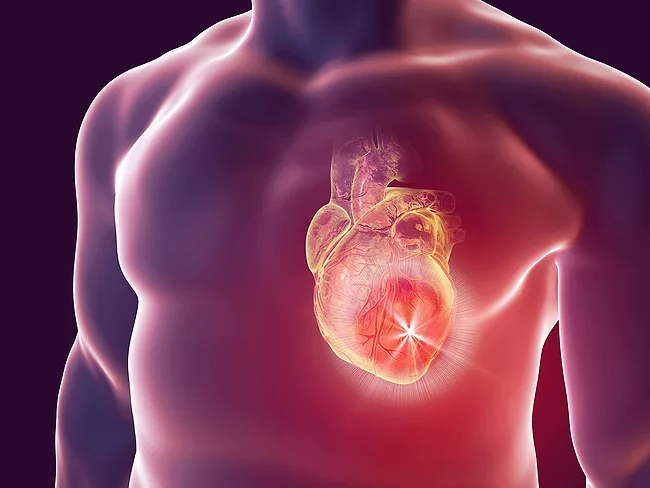
Fractalkine, when binding to its receptor CX3CR1, modulates leukocyte adhesion and acts as a chemotactic agent. The expression of cardiac CX3CR1/fractalkine is elevated in patients with heart failure and CX3CR1 antagonists may improve the cardiac function by modulation of this axis.
Ultromics Ltd. raised $55 million in a series C financing round to expand its commercial footprint across the U.S. and invest in the development of new AI modules for earlier, more accurate detection of cardiovascular disease, Ross Upton, CEO and founder of Ultromics told BioWorld.
Heartbeat.bio AG and Biotx.ai GmbH have partnered to identify and validate novel therapeutic targets in heart failure. The collaboration combines Biotx.ai’s causal mapping of the genome for target discovery with Heartbeat.bio’s human-based Cardioid drug discovery platform.
Bioprosthetic heart maker Carmat SA shares collapsed on June 23, reaching €0.28 on the Paris Stock Exchange after the company announced it would run out of cash by the end of the month without immediate financial support.
Fineheart SA will soon begin a first-in-human study of Flowmaker, its fully implantable left ventricular assist device, in France, after receiving authorization from the French National Agency for the Safety of Medicines and Health Products to initiate the trial.
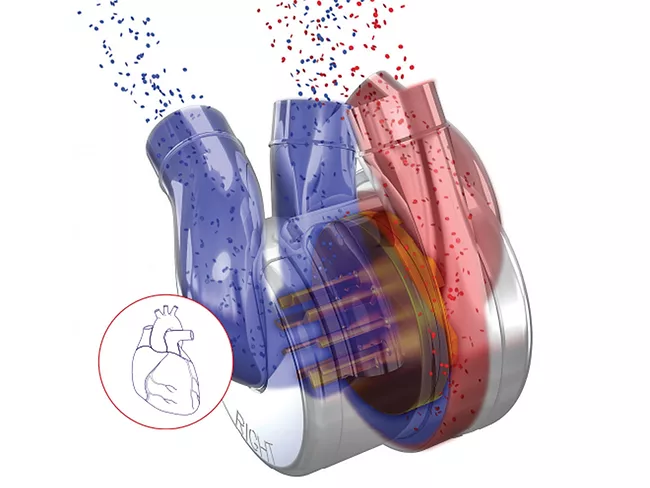
The U.S. FDA’s decision to grant breakthrough device designation for Bivacor Inc.’s titanium total artificial heart (TAH) sent real hearts aflutter at the Huntington, Calif.-based company’s headquarters. While the designation supports use of the TAH as a bridge to transplant for adults with biventricular or univentricular heart failure for whom current options are insufficient or unsuitable, Bivacor hopes its device will eventually serve as a long-term heart replacement.
EBR Systems Inc. raised AU$55.9 million (US$36 million) to commercialize its Wise cardiac resynchronization therapy system following U.S. FDA approval in April of the wireless, endocardial pacing system to stimulate the heart’s left ventricle.
News from Tectonic Therapeutic Inc. in January took away some of Wall Street’s jitters about the relaxin pathway brought about by Eli Lilly and Co.’s recent moves, but another big pharma player – Astrazeneca plc – is still providing suspense in pulmonary hypertension in heart failure with preserved ejection fraction.
Inhibiting the sodium-hydrogen exchanger 1 (NHE1), which simultaneously imports Na+ and exports H+ in cardiac cells, shows therapeutic potential against heart failure.
CSPC Pharmaceutical Group Ltd. has obtained clinical trial approval from China’s National Medical Products Administration (NMPA) for SYH-2046 for heart failure after acute myocardial infarction.