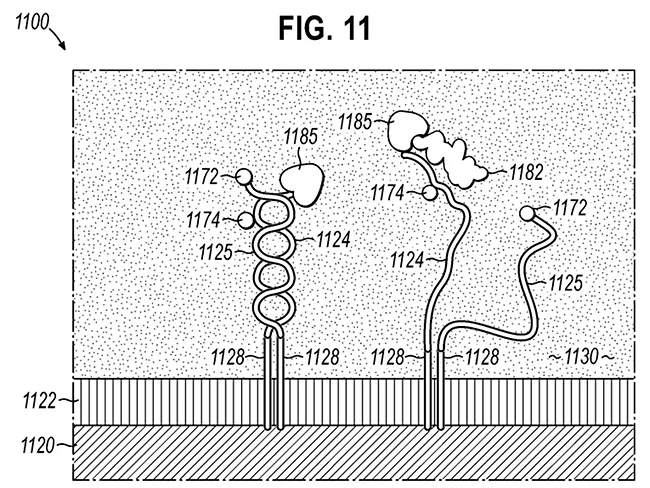
Researchers from the University of Cincinnati filed for protection of an electrochemical aptamer-based biosensor technology with improved sensitivity and longevity, which has the potential for monitoring several biomarkers over sustained periods.
Regenerative heart therapy, integrating biocompatible materials with nucleic acids, proteins and live cells, offers a promising personalized approach to treating cardiac ischemic reperfusion injury and heart failure.
Ajax Health LLC, with backing from the $4 billion KKR Health Care Strategic Growth Fund II, and Boston Scientific Corp. launched a new business, Flowmod, to advance a system for treating heart failure developed by Boston Sci.
Berlin Heals Holding AG recently raised over CHF7 million (US$7.8 million) in a financing round for C-MIC, a small implantable device it believes can reverse heart failure.
Researchers from Tikkunlev Therapeutics Inc. and the University of Utah have presented preclinical data on TLT-101, a gene therapy consisting of an adeno-associated virus serotype 9 (AAV9) vector encoding cardiac bridging integrator 1 (cBIN1) designed for the treatment of heart failure.
With rates of preeclampsia skyrocketing, the U.S. FDA’s510(k) clearance of Roche Holding AG’s Elecsys test for preeclampsia offers some hope of reducing the number of women and infants who die or experience life-long consequences from the development of dangerously high blood pressure during late pregnancy and in the days immediately following delivery.
Heart disease remains the leading cause of death worldwide, and developing new therapeutic approaches constitutes an urgent healthcare priority. Almost one-third of patients surviving myocardial infarction (MI) develop heart failure (HF), in part due to damage caused by the accumulation of dysfunctional mitochondria.
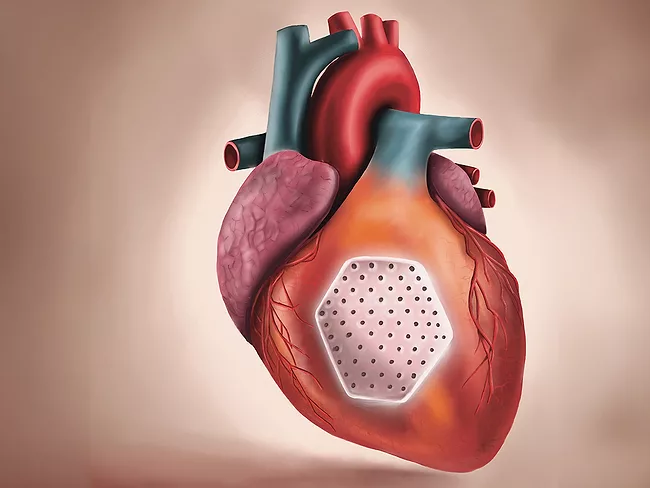
Implanted patches of iPS cell-derived heart muscle integrated with heart tissue in a primate model of heart failure, and in patients being treated in a clinical trial, marks progress toward a potential option for patients with advanced heart failure.
Implanted patches of iPS cell-derived heart muscle integrated with heart tissue in a primate model of heart failure, and in patients being treated in a clinical trial, marks progress toward a potential option for patients with advanced heart failure.
Myocardial fibrosis is a key process for heart failure development that may lead to severe phenotypes, including cardiac arrest or sudden death. Vasorin (VASN) is a protein with high expression in the cardiovascular system and its upregulation had been found to protect smooth muscle cells from calcification.