Jelikalite Corp. has received a breakthrough device designation from the FDA for its wearable neurostimulation device Cognilum. The home-based system aims to reduce symptoms of moderate to severe autism spectrum disorder in pediatric patients aged 2 to 6 years. The designation was based on the results of a double-blind, placebo controlled clinical trial of 30 pediatric patients with moderate to severe autism, which showed the technology can significantly improve symptoms.
Fist Assist Devices LLC received a breakthrough device designation from the FDA for its Fist Assist Model FA-1 device for patients with end-stage renal disease (ESRD). The pre-surgical dilation device promotes arteriovenous (AV) fistula creation in renal failure patients with inadequate vein size for creation of an AV fistula for hemodialysis. An AV fistula is a surgical connection between an artery and a vein used as an access point for dialysis.
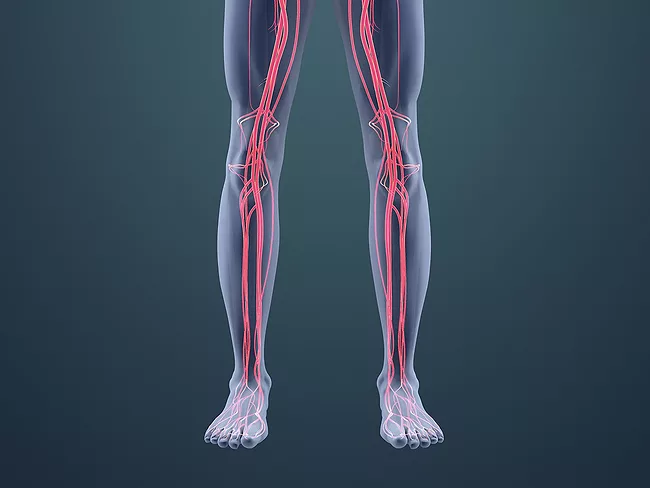
Intervene Inc. received breakthrough device designation from the FDA for its treatment for chronic venous insufficiency (CVI), Blueleaf endovenous valve formation system, which makes new venous valves in the leg using the patient’s own vein tissue. The catheter-based system splits and stretches the vein wall to create a new leaflet. In a recently published study, 14 patients underwent the procedure, of which 13 successfully had at least one new valve created. No patients experienced adverse events during the procedure and no deep venous thromboses developed through a one-year follow up period.
Theradaptive Inc. has received an FDA breakthrough medical device (BMD) designation for its Osteo-Adapt SP spinal fusion implant for transforaminal lumbar interbody fusion to treat degenerative disc disease, spondylolisthesis, or retrolisthesis. Under the program Theradaptive will enjoy priority review for its spinal bone growth implant and interactive advice for continued development as well as clinical trial protocols during premarket review.
Easyendo Surgical Inc. has won the South Korean Ministry of Food and Drug Safety’s (MFDS) latest breakthrough device designation for its robotized ureteroscope. The device, currently known as Easyuretero, is the first of its type to be developed in South Korea. The next goal for Easyendo will be regulatory approval, said the MFDS. Daejeon, South Korea-based Easyendo is already working towards winning that approval. “We are now preparing to start clinical trials in South Korea, and discussing the start date and scope of the trials with MFDS,” an Easyendo spokesperson told BioWorld.
The FDA gave Pear Therapeutics Inc. a second breakthrough device designation with the company’s Reset-A prescription digital therapeutic (PDT) for alcohol use disorder getting the regulatory agency’s speed pass. The news comes a week out from the vote of stockholders of blank-check company Thimble Point Acquisition Corp. Inc. on a combination with Pear that will take the digital therapeutic company public.
Vuno Inc. has received its third breakthrough device designation from South Korea’s Ministry of Food and Drug Safety (MFDS), for its artificial intelligence (AI)-based electrocardiogram (ECG) analysis software Vuno Med DeepECG. Vuno is the first company to have three such designations to its name. “We developed Vuno Med DeepECG via long-term ECG data analysis research. With this breakthrough designation, we target expanding our market share in the medical AI industry via our bio-signal businesses. Among these is ECG data, which can help diagnose various heart diseases and has high potential,” Yeha Lee, chairman at Vuno, told BioWorld.
The FDA granted Blackrock Neurotech LLC breakthrough device designation for its Moveagain brain-computer interface (BCI) system as it targets 2022 for commercialization of the neural implant. Earlier this year, the Salt Lake City-based company received $10 million from investors including, Re.Mind Capital, Sorenson Impact and Facebook investor Peter Thiel to expand its clinical program. The company said its technology could be key to providing tetraplegic patients the ability to control devices directly from the brain.
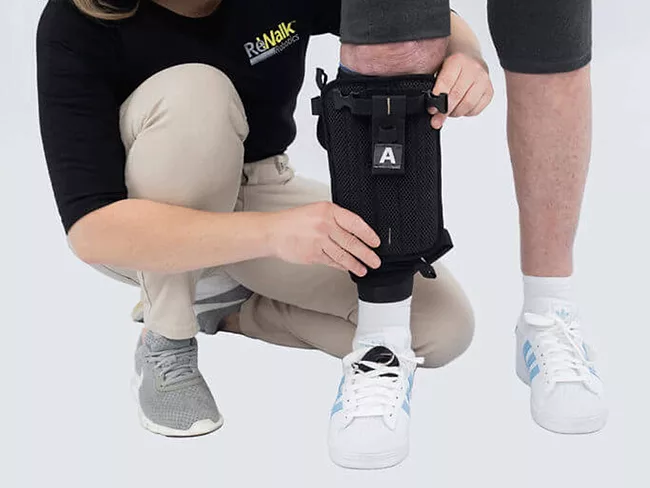
Shares in Rewalk Robotics Ltd. are on the rise after the FDA awarded its Reboot exoskeleton device breakthrough device designation status. The wearable, battery-powered device is designed to assist individuals with lower limb disability due to stroke.
The FDA has granted a breakthrough device designation for Renovia Inc.’s digital therapeutic system Leva as a first-line treatment for chronic fecal incontinence (FI) in women. Fecal incontinence, also known as bowel leakage, is a progressive condition ranging from occasional leaks to a complete loss of bowel control. Common causes include diarrhea, constipation, and muscle or nerve damage that may be associated with aging or giving birth.