The U.S. Centers for Medicare & Medicaid Services’ (CMS) withdrawal of a proposal to provide automatic coverage of FDA-designated breakthrough devices has drawn criticism from device makers, but the industrial reaction runs the gamut.
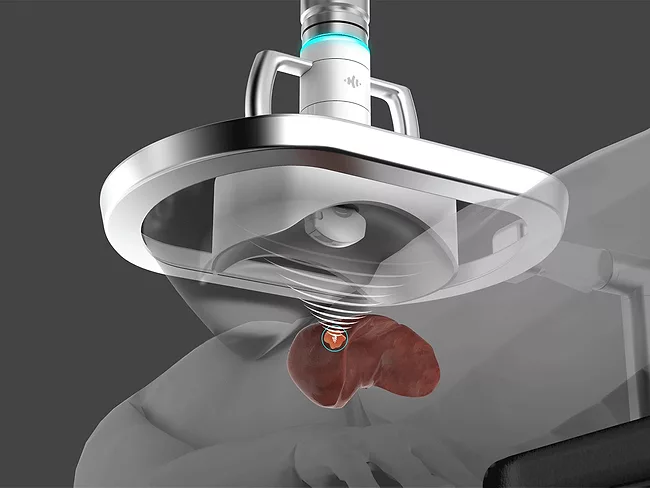
The FDA granted breakthrough device designation to Histosonics Inc. for the first system to harnesses microbubbles created by pulsed ultrasound waves to wreak very targeted cellular destruction, with real-time visualization and control. The therapy, called histotripsy, destroys tissue in the liver without heat, radiation or surgery. The technology was developed at the University of Michigan.
Alpha Tau Ltd. has secured a second breakthrough device designation for its Alpha Dart radiation treatment for solid cancer tumors. The FDA has granted the Jerusalem-based company’s technology a designation for the treatment of patients with recurrent glioblastoma multiforme (GBM), an aggressive malignant brain tumor. GBM has an average five-year survival rate of less than 10% and is the most common malignant tumor of the brain or central nervous system. According to the designation, the Alpha Dart system can be used to treat recurrent GBM as an adjunct to standard medical therapies or as a standalone therapy after standard medical therapies have been exhausted.
Orthopedics device startup Amber Implants BV has received an FDA breakthrough designation for its cementless spinal implant Vcfix. The system is designed to treat vertebral compression fractures (VCFs), which can cause patients severe back pain and limited mobility. Currently, VCFs are treated with injection of bone cement into the vertebra.
Nonagen Bioscience Corp. received FDA breakthrough device designation for its liquid biopsy assay designed to predict response to treatment for bladder cancer. The test, Oncuria, measures 10 protein biomarkers in a urine sample and uses an algorithm to predict whether patients will respond to Bacillus Calmette-Guerin (BCG), the first-line treatment for bladder cancer, or should proceed to another treatment option.
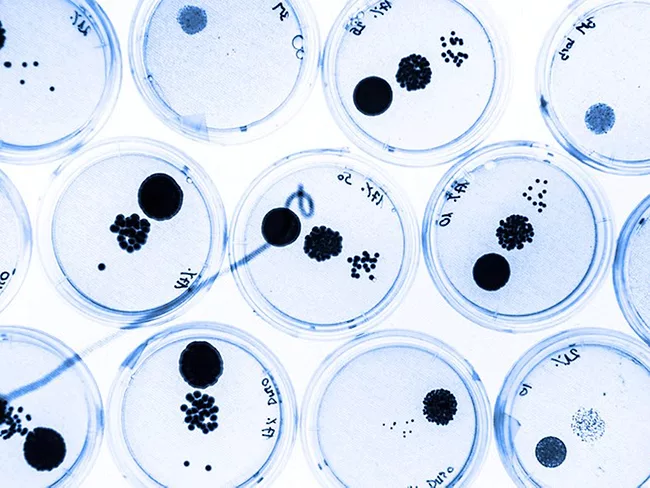
Selux Diagnostics Inc. has received breakthrough device designation from the FDA for its Next Generation Phenotyping (NGP) platform for positive blood culture and sterile body fluid samples. The NGP technology is a diagnostic platform designed to help with the delivery of personalized antimicrobial therapies within 24 hours. The Boston-based company is hoping the technology can tackle the global antibiotic resistance crisis. According to the World Health Organization, antimicrobial resistance is one of the top 10 global public health threats facing humanity.
The demise of the Medicare Coverage of Innovative Technologies (MCIT) rule may not be the end of the breakthrough devices coverage story, but Lee Fleisher of the U.S. Centers for Medicare & Medicaid Services (CMS) said the MCIT rule was riddled with deficiencies. Fleisher said CMS is of the view that expedited coverage of breakthrough medical devices would be better handled under existing statutory authorities, suggesting the agency sees no need for the MCIT-driven provisions of the Cures 2.0 legislation.
The U.S. Centers for Medicare & Medicaid Services (CMS) has withdrawn the rule for the Medicare Coverage of Innovative Technologies (MCIT) program, an action that predates the agency’s self-imposed deadline of December 2021 by three months. The agency cited some previously discussed issues with the rule, but the move was blasted by industry as thwarting the support of the majority of stakeholders.
The FDA has designated Impedimed Ltd.’s Sozo digital health platform a breakthrough device for renal failure, paving the way for the first FDA approved device to measure fluid volume in the dialysis setting.
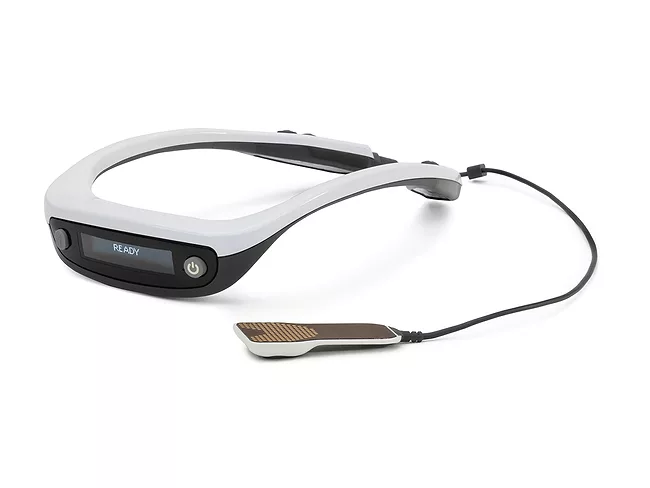
Helius Medical Technologies Inc. has received an FDA breakthrough device designation for its Portable Neuromodulation Stimulator (Pons) device for temporary treatment of dynamic gait and balance deficits due to stroke.