Seastar Medical Holding Corp. was granted a third breakthrough device designation by the U.S. FDA for its Selective Cytopheretic device (SCD), a biomimetic membrane-based device used to treat patients with acute inflammatory conditions, which can cause organ failure and death. The latest designation is for its use in patients with hepatorenal syndrome. It follows other indications including cardiorenal syndrome and in adults with acute kidney injury (AKI).
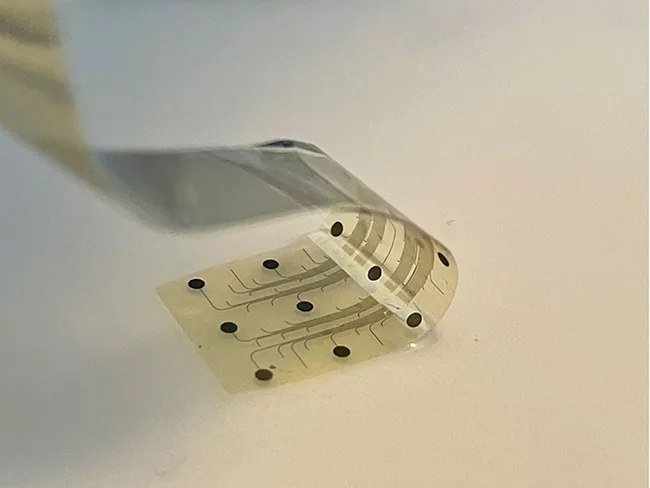
Inbrain Neuroelectronics SL was granted a breakthrough device designation from the U.S. FDA for its graphene-based neural platform as an adjunctive therapy for treating Parkinson’s disease. The platform, called intelligent network modulation system, harnesses the power of graphene and artificial intelligence to deliver highly focused, adaptive neuroelectronic therapy that re-balances pathological neural networks, easing the symptoms of Parkinson’s.
Magassist Co. Ltd. has been granted a breakthrough device designation by the U.S. FDA for its interventional ventricular assist device (VAD), which is expected to accelerate the development and approval of the product.
Acorai AB received a U.S. FDA breakthrough device designation for its Heart Monitor, a noninvasive intracardiac pressure monitoring device for patients with heart failure. The Acorai Heart Monitor can estimate diastolic pulmonary artery pressure, systolic pulmonary artery pressure and mean pulmonary artery pressure in patients with Stage C heart failure who have been referred for hemodynamic monitoring.
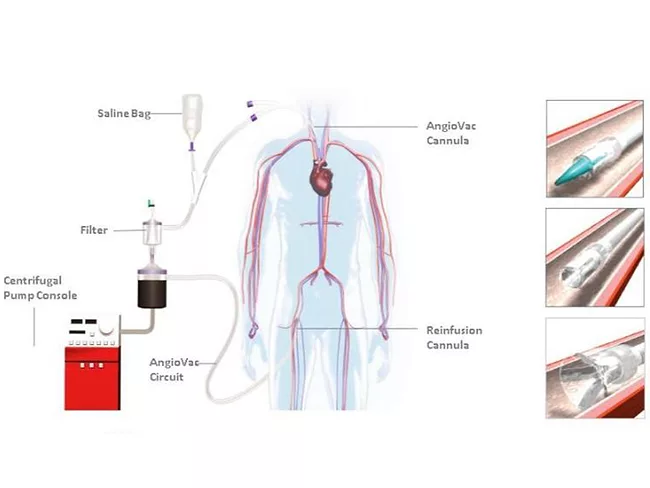
Lush vegetation is great for a gardener, but alarming for a cardiologist. For them, the news that Angiodynamics Inc. received U.S. FDA breakthrough device designation for its Angiovac system to remove vegetation from the right heart is surely cheering. Right heart vegetations--masses of fibrin, platelets and infectious pathogens--are indications of serious infective endocarditis.
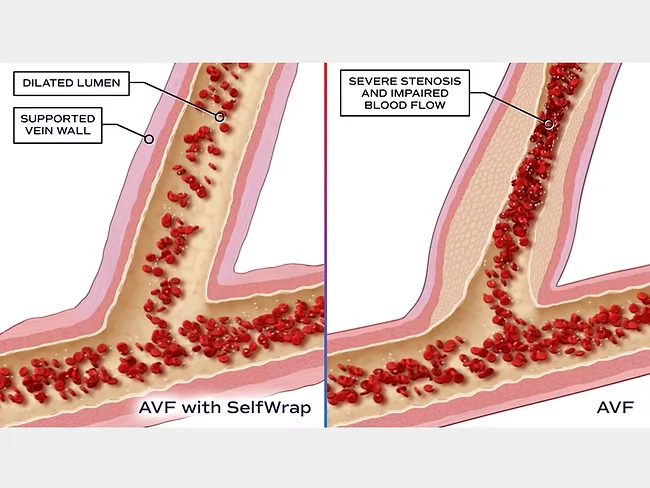
Venostent Inc. has completed $16 million in series A financing to support a U.S. pivotal trial for bioabsorbable wraps designed to improve outcomes for hemodialysis patients suffering from end-stage renal disease (ESRD). This comes after Venostent was granted an FDA investigational device exemption (IDE) to begin its U.S. Selfwrap-assisted arteriovenous fistula study and breakthrough device designation of its technology awarded last year.
T2 Biosystems Inc. received a third FDA breakthrough device designation with its direct-from-blood molecular diagnostic test for Candida auris. The test joins its T2resistance panel and T2Lyme panel in gaining the breakthrough recognition and the increased access to the FDA that comes with it as the company seeks final approval or clearance. The C. auris test enables identification of the challenging pathogen in three to five hours instead of the several days often required to grow a culture traditionally.
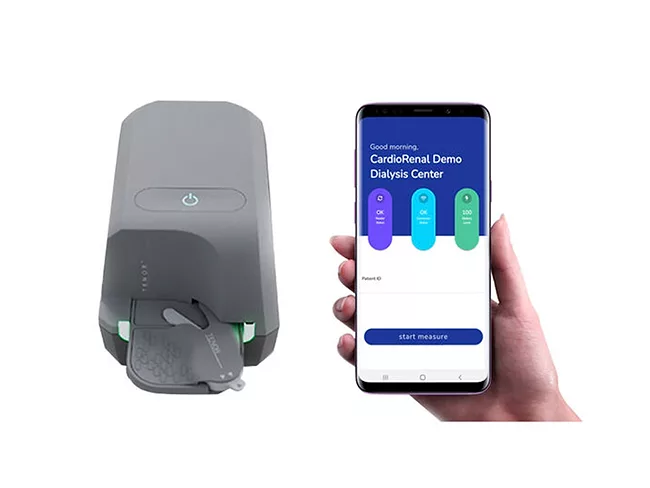
Cardiorenal SAS reported it has been granted a breakthrough device designation by the U.S. FDA for its Tenor at-home blood potassium measuring device. The Tenor smart device combines multiple technologies, app and cloud capabilities to assist patients with chronic kidney disease in measuring their blood potassium levels from home, obtaining results in under five minutes.
Pulse Medical Technology Inc. obtained breakthrough device designation from the FDA for its fourth generation μFR system, which would accelerate the commercialization of the device. “The fourth generation μFR system is currently not available on the market, but Pulse Medical is preparing for the marketing approval of the product in the U.S.,” Jingfeng Han, director of science division at Pulse Medical, told BioWorld.
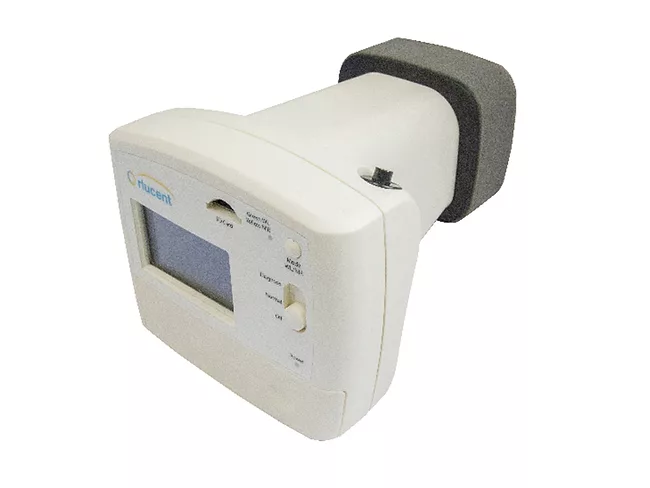
If Orlucent Inc. has its way atypical moles in adults will soon give up their secrets to clinicians on the lookout for skin cancer, this after the Los Gatos, Calif.-based company received a U.S. FDA breakthrough device designation for its non-invasive Orlucent skin fluorescence imaging system. The system is a hand-held point-of-care molecular-based imaging device that identifies “tissue remodeling activity” inside atypical moles that could be a precursor to early melanoma.