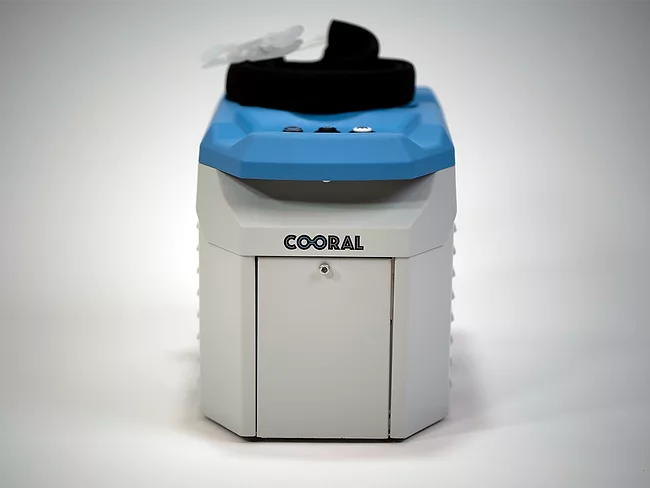
Braincool AB has scored a breakthrough device designation from the U.S. FDA for its Cooral system, a medical cooling technology for therapeutic hypothermia and oncology. The status acknowledges Cooral’s potential to prevent oral mucositis (OM), a complication of chemotherapy.
The U.S. FDA has granted breakthrough device designation to Cerus Endovascular Ltd. for its Contour neurovascular system for the treatment of intracranial aneurysms. The company is targeting the second or third quarter of this year for the start of its IDE clinical trial.
The Medicare Coverage of Innovative Technology (MCIT) program drew rave reviews when it was unveiled, but the associated proposal to redefine the term “reasonable and necessary” met with skepticism. The final rule includes some discussion of how private payer coverage might be leveraged to broaden the definition, but the Centers for Medicare & Medicaid Services (CMS) nonetheless punted on the question for now, promising to tackle it within a year.
Cognito Therapeutics Inc. has revealed that its lead product has received breakthrough device designation from the U.S. FDA for the treatment of cognitive and functional symptoms associated with Alzheimer’s disease. The offering is a noninvasive neurostimulation device using gamma frequency technology and is the initial candidate in the company’s pipeline of digital therapeutics for neurodegenerative diseases and other chronic indications.
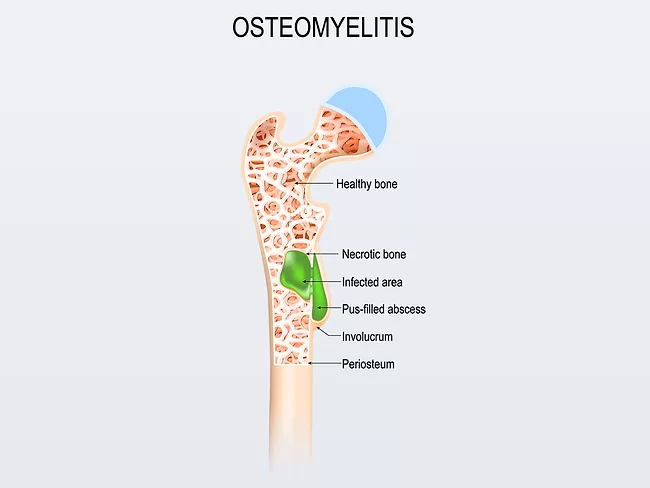
Cognitoss, a resorbable bone graft in development by Locate Bio Ltd., received U.S. FDA breakthrough device designation for treating chronic osteomyelitis, a progressive, inflammatory bone infection. The graft uses a new class of composite collagen product combined with a dual-phasic release of antibiotics to prevent reinfection.
TORONTO – Scan the literature on mental health technologies, and you’ll find treatment apps for everything from depression to addiction. What you won’t find, said Claude Hariton, vice president and chief scientific officer at Quebec City-based Diamentis Inc., are tools to diagnose mental diseases. It’s a gap the company hopes to fill with Retinal Signal Processing and Analysis (RSPA), a tool just accepted into the U.S. FDA’s breakthrough devices program that diagnoses mental diseases from retinal signals in the eye.
The U.S. FDA granted a breakthrough device designation to Exero Medical Ltd.’s implantable smart sensor for early detection of anastomotic leaks after gastrointestinal (GI) surgery. The device continuously monitors the GI tract near the surgical site to alert providers about potentially deadly leaks.
Bone Health Technologies Inc. may be on the verge of upstaging a common drug therapy, but don't tell them to break a leg. The San Francisco-based company's Osteoboost Vibration Belt received a U.S. FDA breakthrough designation for technology that delivers gentle stimulation to reduce bone loss and prevent osteoporosis with the goal of reducing the number of potentially devastating broken bones in the elderly.
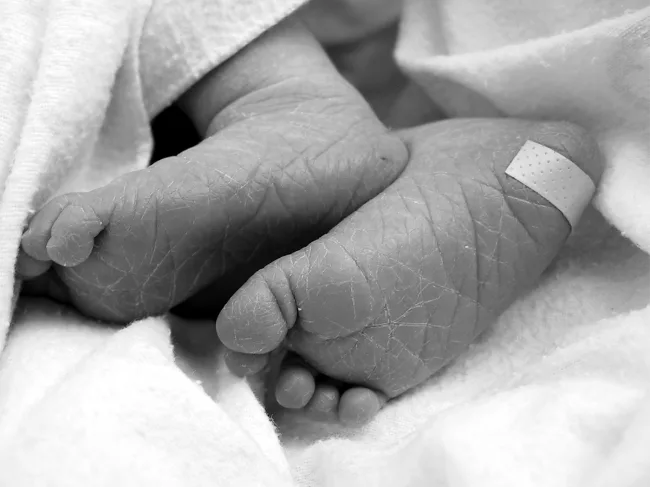
The U.S. FDA has granted breakthrough device designation to Spark Biomedical Inc. for its Roo system, a transcutaneous electrical nerve stimulator to assist newborns with opioid withdrawal. The noninvasive neurostimulation device is modeled on the company’s Sparrow Therapy System for adult opioid withdrawal relief.
Genetesis Inc. received good news from the U.S. FDA in the form of a breakthrough device designation for Cardioflux for the diagnosis of myocardial ischemia and infarction in patients with symptoms suggestive of acute coronary syndrome. Mason, Ohio-based Genetesis provides biomagnetic imaging solutions with an eye toward ensuring safety. Its solution already has made an impression on clinicians.