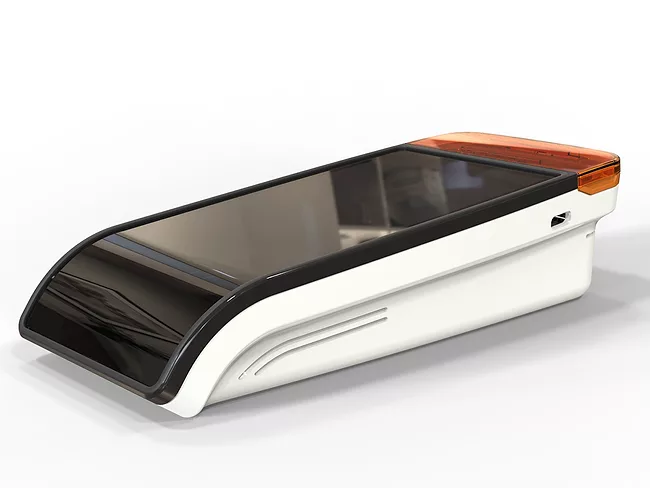
With trauma patients and those suffering from bleeding disorders, being able to quickly assess a person’s bleeding risk can be lifesaving, but most current tests to measure clotting ability are laboratory-based and don’t provide immediate results. To that end, the U.S. FDA has granted Cleveland-based Xatek Inc. breakthrough device designation for its Clotchip portable blood clotting sensor.
The FDA has awarded a breakthrough device designation to a polymer film implant to create an artificial endothelial layer in the eye. Known as Endoart, it is designed to replace a non-functioning endothelium, which is the single layer of cells on the inner surface of the cornea. Without it, excess fluid flows into the cornea and can result in severe vision loss.
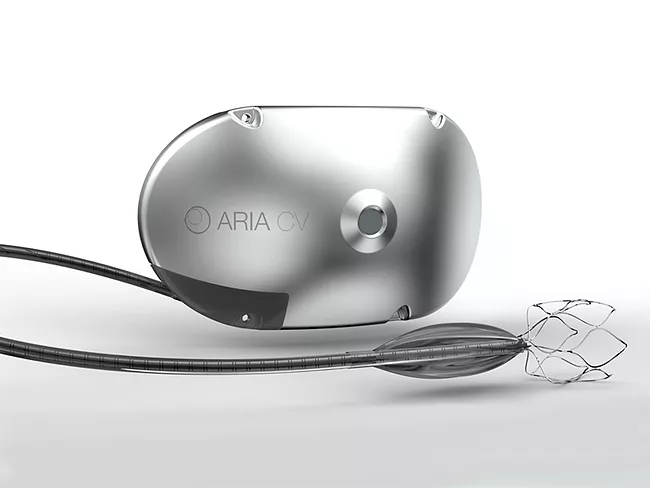
Aria CV Inc., which focuses on pulmonary arterial hypertension (PAH), has won a breakthrough device designation from the U.S. FDA for the Aria CV pulmonary hypertension (PH) system. The implanted Aria CV PH system aims to restore the benefits of a healthy, elastic pulmonary artery, which in turn reduces cardiac workload and enhances blood flow.
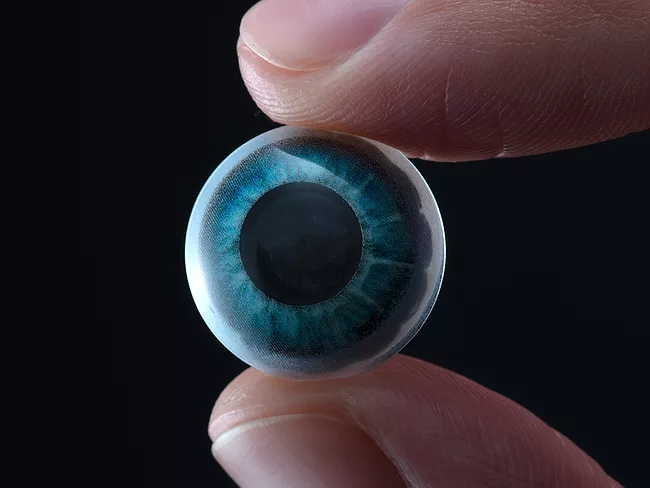
The U.S. FDA has granted breakthrough device designation to Mojo Vision Inc. for its first-of-a-kind true smart contact lens. The Mojo Lens, which features “invisible computing” and a built-in display, enables people to get timely information without having to look away from what they are doing or glance at a screen.
Jenavalve Technology Inc., of Irvine, Calif., has won an FDA breakthrough device designation for its namesake transcatheter aortic valve replacement device, but Jenavalve said it will file for a humanitarian device exemption in the second half of 2020, suggesting that the device won’t be commercially available for at least another year.
Heart failure is a leading cause of disability and death in the U.S., but many cases are diagnosed late due to limited access to echocardiography, the primary method of detecting the condition. To address that need, the U.S. FDA has granted breakthrough device designation to Eko Devices Inc., of Berkeley, Calif., for an electrocardiogram (ECG)-based algorithm that could serve as an easily accessible screening tool for heart failure during routine physical exams.
The U.S. FDA has granted investigational device exemption approval for the use of Personal Genome Diagnostics Inc.’s (PGDx) elio tissue complete assay in a Merck & Co. Inc. trial of a Keytruda (pembrolizumab)-based combination therapy. Specifically, the assay will be used during the trial to analyze genomic markers to direct patient enrollment and stratification.
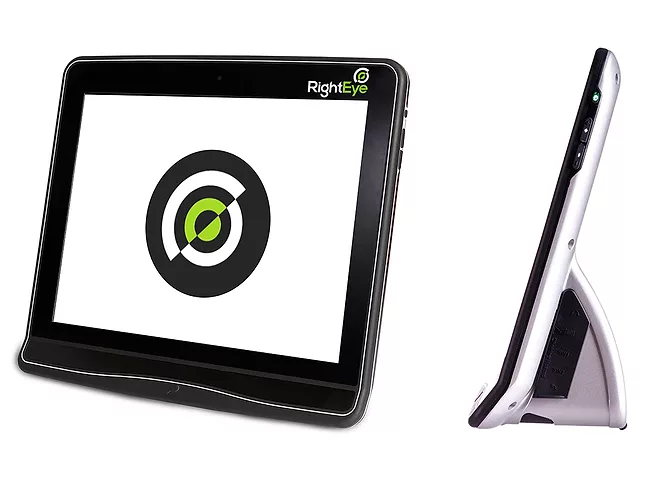
The U.S. FDA has granted breakthrough device designation for Righteye LLC’s eye movement-tracking vision system as a test for Parkinson’s disease. Developed by researchers at PADRECC and Virginia Commonwealth University with funding from the Michael J. Fox Foundation, and licensed to Righteye in 2016, the test requires patients to sit in front of an all-in-one tablet-looking device and follow a series of moving targets. The goal is to identify ocular tremors, a persistent issue with Parkinson’s patients that prevents steady fixation on objects and images. The noninvasive test, which measures an individual’s ability to follow objects on a screen, could help doctors not only confirm the difficult-to-diagnose disease, but also detect it at earlier stages.
Menlo Park, Calif.-based startup Tusker Medical Inc. has received U.S. FDA approval to market its breakthrough-designated system for inserting tympanostomy tubes into the eardrum to treat recurrent ear infections. The Tubes Under Local Anesthesia (Tula) system is the first delivery system for tympanostomy tubes, commonly known as ear tubes, that can be performed in young children under local anesthesia in a doctor’s office. The Tula system consists of the ionic anesthetic Tymbion, Tusker Medical tympanostomy tubes and several devices for inserting the anesthetic and tubes into the ear drum. A low-level electrical charge delivers the anesthesia to the eardrum prior to tube placement, allowing for quick and needle-free numbing of the tympanic membrane.
The U.S. FDA has granted breakthrough device designation for Bioventrix Inc.’s Revivent Tc Transcatheter Ventricular Enhancement System for heart failure following a heart attack. The system is designed to exclude scar tissue that has formed on the left ventricle in a procedure that is less invasive than current medical options and better than drug therapy, allowing healthy heart tissue to function more efficiently. The left ventricle is the heart’s pumping chamber, and scarring can prevent it from contracting and providing the steady circulation of blood that the body needs.