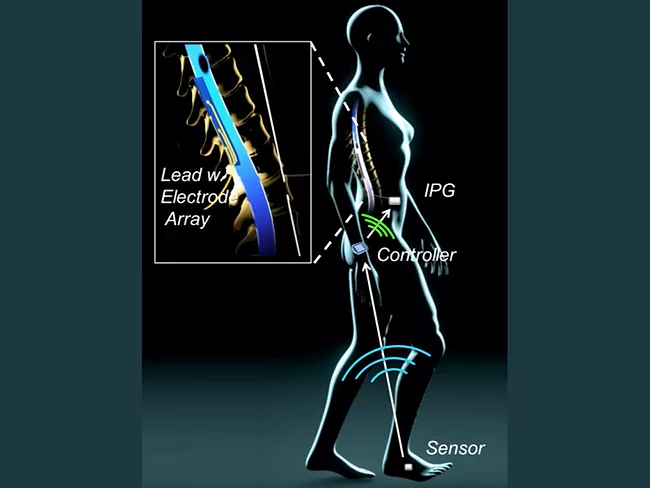
The U.S. FDA granted Gtx Medical BV a breakthrough device designation for its implantable Go-2 Targeted Epidural Spinal Stimulation (TESS) system. The device enabled patients who had sustained traumatic spinal cord injuries to regain voluntary control over previously paralyzed muscles and walk again four or more years after paralysis, according to a study previously published in Nature.
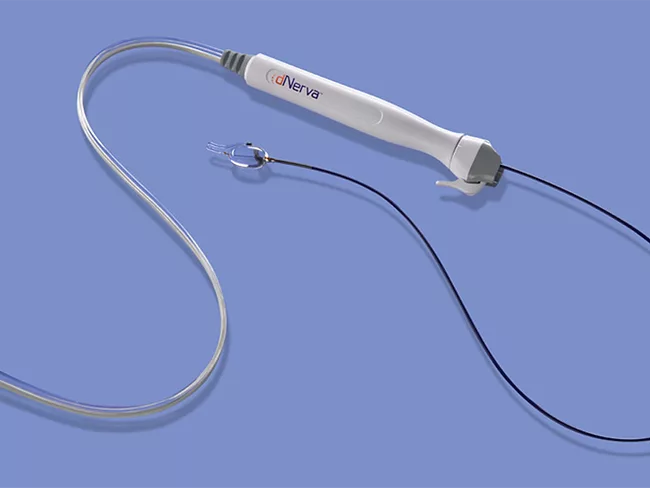
Minneapolis-based startup Nuvaira Inc. has received breakthrough device designation from the U.S. FDA for its Dnerva lung denervation system to reduce the risk of moderate-to-severe exacerbations of chronic obstructive pulmonary disease (COPD) in patients receiving optimal care. The bronchoscopic procedure works by disrupting pulmonary nerve input to the lung, improving symptoms and stabilizing lung function.
Hydrocephalus involves the buildup of excess fluid in the brain. It affects more than 1 million people in the U.S. – most of them children – and can result in brain damage and related neurological impairments. Shunt implants are the standard treatment to drain that fluid, but more than half of them fail within the first couple of years of placement.
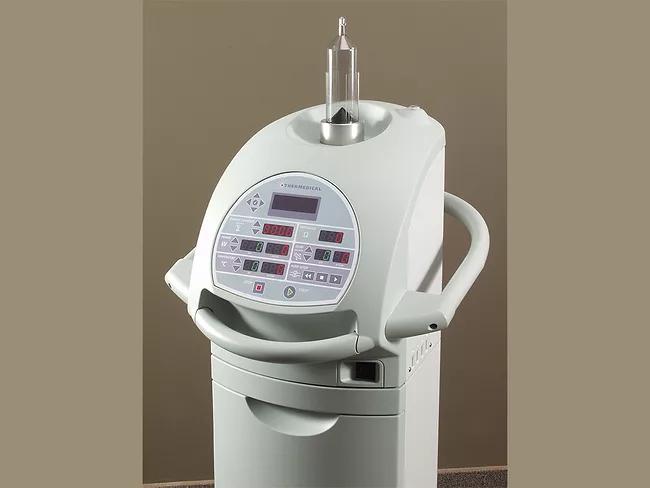
Waltham, Mass.-based Thermedical Inc. has received a breakthrough device designation from the U.S. FDA for its saline enhanced radiofrequency (SERF) ablation system and Durablate catheter in the treatment of ventricular tachycardia (VT). The system uses a new means of biological heat to precisely deliver ablation therapy to the heart.
Portland, Ore.-based startup Viscardia Inc. has received breakthrough device designation from the FDA for its implantable Visone system to treat moderate to severe heart failure with reduced ejection fraction and preserved ventricular synchrony. The minimally invasive implant works by stimulating a specific portion of the diaphragm.
LONDON – DNA Electronics Ltd. (DNAe) won a U.S. FDA breakthrough device designation for its semiconductor-based DNA sequencing technology Lidia-seq and for the first assay based on the platform, which will detect bloodstream infections and antimicrobial resistance (AMR) genes at point of care.
The U.S. FDA has granted breakthrough device designation to Vapotherm Inc. for its Oxygen Assist Module (OAM), for use with its Precision Flow assistive breathing systems. The new module is designed to aid clinicians in maintaining a targeted blood oxygen range in patients requiring oxygen therapy.
PERTH, Australia – The British Standards Institute (BSI) granted Sydney-based Oncosil Medical Ltd. European CE marking approval for its brachytherapy device to treat locally advanced pancreatic cancer in combination with chemotherapy, clearing the way for marketing in both the EU and the U.K. BSI also granted the Oncosil device breakthrough therapy designation.
Neuronetics Inc., of Malvern, Pa., has won U.S. FDA breakthrough device designation for its Neurostar transcranial magnetic stimulation (TMS) device for the treatment of patients with drug-resistant bipolar depression. The news comes as the company reported a strong fourth quarter for 2019, with revenue up 11% year-over-year to $17.4 million.
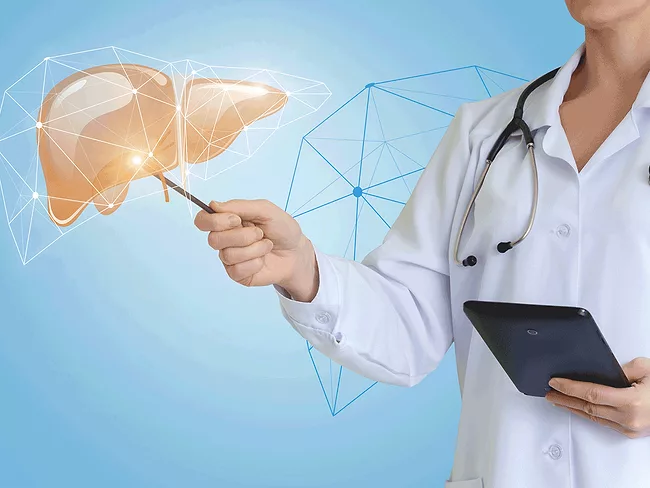
With an eye toward helping those with early stage hepatocellular carcinoma (HCC), Basel, Switzerland-based Roche Group has won a breakthrough device designation from the U.S. FDA for the Elecsys GALAD score. When combined with ultrasound, the Elecsys GALAD score aims to help provide more accurate information for clinicians to treat patients at an earlier stage.