The U.S. FDA has granted breakthrough device designation status to Medtronic plc’s Tyrx absorbable antibacterial driveline wrap, a medical device aimed at reducing driveline complications in patients receiving a ventricular assist device (VAD).
Medtronic plc is celebrating its latest win following the U.S. FDA’s approval of an early feasibility study (EFS) of the Intrepid transcatheter tricuspid valve replacement system in patients with severe, symptomatic tricuspid regurgitation. The action comes after the agency granted breakthrough device designation for the system.
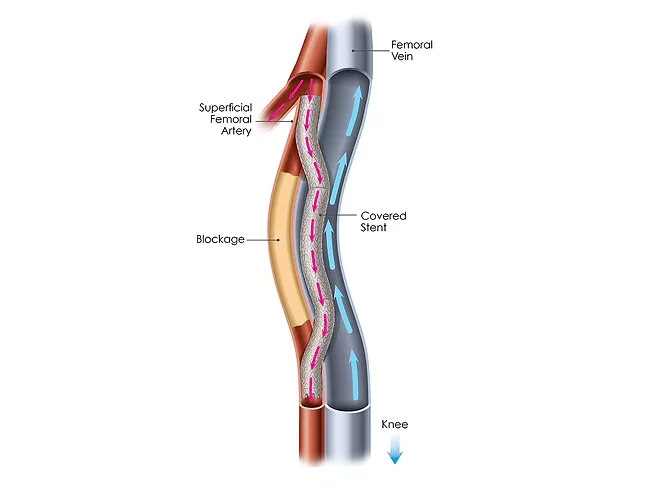
Pq Bypass Inc. received breakthrough device designation from the FDA for its Detour system, the first to permit fully percutaneous femoropopliteal bypass to treat extremely long, complex blockages in the superficial femoral artery (SFA). “This designation is a major milestone for Pq Bypass, and we expect this technology to change the paradigm for complex SFA treatment in the way EVAR and TAVR changed the paradigm for aortic repair,” said Rich Ferrari, chairman and CEO of Pq Bypass.
The U.S. Centers for Medicare and Medicaid Services (CMS) capped off the month of August 2020 with one of the more significant Medicare coverage documents in recent memory. The more immediately impactful part of the proposed rule would offer immediate coverage for devices approved or cleared under the FDA’s breakthrough devices program, but the broader element of this proposed rule offers a definition for the term “reasonable and necessary,” a development that itself constitutes a breakthrough in the world of Medicare coverage of medical technology.
Neurovascular bioelectronics medicine company Synchron Inc. has received good news in the form of a breakthrough device designation for its Stentrode. The U.S. FDA granted the designation for the fully implantable medical device that can translate brain activity or stimulate the nervous system from inside a blood vessel. As a bonus for patients, the device does not require open brain surgery. “As this is a first-of-its-kind device, we look forward to working closely with the FDA to prioritize development of the Stentrode and ensure access for patients with paralysis, as well as lay the groundwork for future indications for brain-computer interfaces,” said Thomas Oxley, CEO of Synchron.
The results of Reducer 1, an international, three-arm observational study of an initial 241 patients with refractory angina were remarkable, Neovasc COO Bill Little told BioWorld.
Machine learning-based diagnostics startup Dascena Inc. has won the U.S. FDA’s breakthrough device designation for its Previse algorithm, which is designed to predict acute kidney injury (AKI) before clinical symptoms. In early validation tests, Previse detected AKI more than a day before patients exhibited kidney damage or impaired function.
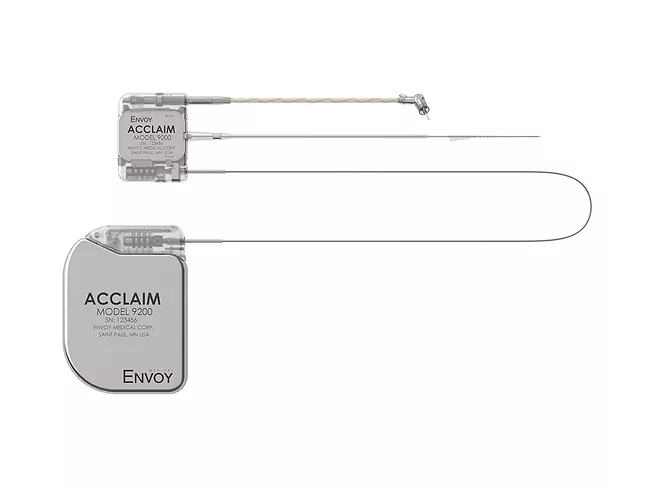
Envoy Medical Corp. got some early support for its Acclaim fully implantable cochlear implant, with a breakthrough device designation from the U.S. FDA. If approved, it would be the first cochlear implant to address hearing loss without the use of any external components.
Precardia Inc. received some good news from the U.S. FDA, which has granted the company's catheter-based system for treating volume overload in patients with acutely decompensated heart failure (ADHF) breakthrough device designation. The device is intended to quickly reduce congestion in the venous system, known as cardiac preload, with an eye toward improving overall cardio-renal function.
Medrhythms Inc., a digital therapeutics startup based in Portland, Maine, won an FDA breakthrough device designation for its Rhythmic Auditory Stimulation (RAS) treatment platform for people with chronic walking impairments due to stroke.