Dassault Systèmes agreed to buy Arisglobal for up to $2 billion as it strengthens its position in the life sciences sector, advancing its ambition to create a unified AI intelligence platform for the industry where datasets are currently fragmented. The deal brings together Arisglobal’s AI-powered safety and regulatory intelligence platform with Dassault’s own position in scientific modeling and simulation, to create what the company calls the industry’s first AI platform that unifies real-world evidence with virtual evidence.
AI, data and wearable technologies are transforming health care, giving patients greater access to information about their health and enabling faster, more responsive clinical trials, Anthony Costello, CEO of Medidata Solutions Inc., told BioWorld. As more people use wearable devices to monitor their health, they are increasingly able to react to those insights, while pharmaceutical companies are gaining a clearer picture how patients respond to treatments during clinical trials.
Ready or not, the future has arrived. Novel AI and brain-computer interface (BCI) systems are no longer confined to the realm of science fiction. As an increasingly intertwined human-machine model moves closer to adoption in real-world clinical and military practice, technological advances are sparking concerns over public health, ethics and national security.
SK Biopharmaceuticals Co. Ltd. is doubling down on AI-powered drug discovery through a new collaboration with Insilico Medicine Inc. valued at more than $2.5 billion. The milestone-heavy deal, announced at the BIO International Convention in San Diego June 22, will pair Insilico’s Pharma.AI platform with SK Biopharm’s central nervous system (CNS) drug development and commercialization capabilities, underscoring Korean and global biopharma efforts to embed AI across the entire R&D lifecycle.
Liability remains one of the biggest barriers to the adoption of AI in healthcare. As more tools get developed for use in clinical settings, a key question persists: Who is ultimately at fault when something goes wrong – the hospital, the clinician or the developer? That uncertainty is making clinicians hesitant to adopt new technologies, delegates heard at the HLTH Europe conference in Amsterdam on June 16.
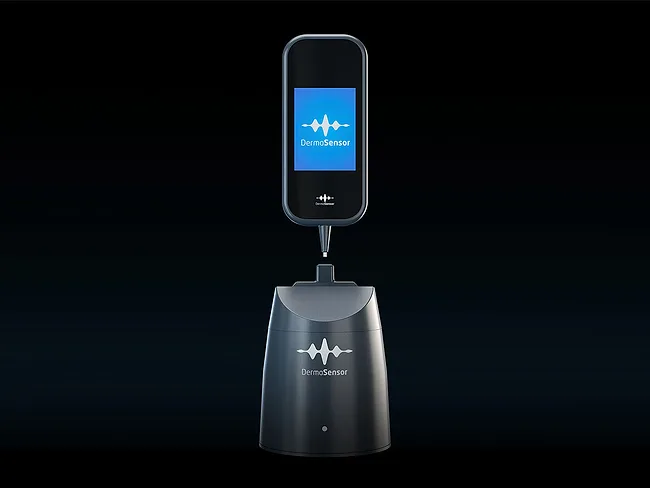
Dermasensor Inc. received CE mark approval for its handheld skin cancer detection device using spectroscopy and AI to test suspicious skin lesions for cancer in real time at the point of care. The device is designed to help qualified healthcare professionals decide whether suspicious skin lesions need further investigation. With skin cancer rates rising, the Dermasensor joins several other AI-based tools entering the European market to help with the analysis of suspicious lesions.
Directed evolution has become a central pillar in gene therapy. This engineering strategy enables the generation of more efficient variants of genetic editors and delivery vectors. Molecular diversification methods are increasingly sophisticated and are now accelerated by machine learning and AI tools, as showcased at the 29th Annual Meeting of the American Society of Gene and Cell Therapy (ASGCT) held in Boston this week.
Metis Techbio Co. Ltd. is seeking a potential HK$2.11 billion (US$270 million) raise through a stock sale May 13, marking the largest biotech raise on the Hong Kong Stock Exchange this year to date. Hangzhou, China-based Metis is an AI-based nanoparticle drug formulation and delivery-focused company. Synthetic lethality-based cancer drugmaker Impact Therapeutics Inc., of Shanghai, plans to debut on the same day with a US$117 million IPO.
When a tumor migrates and colonizes another tissue or organ, it can be identified as a metastasis, but its origin is not always clear. Now, a study based on machine learning has identified DNA-methylation patterns that reveal the type of tissue a cancer comes from when the primary tumor cannot be found. This technique could help guide more specific treatments for patients with cancers of unknown primary, who today often receive broad, nontargeted chemotherapy.
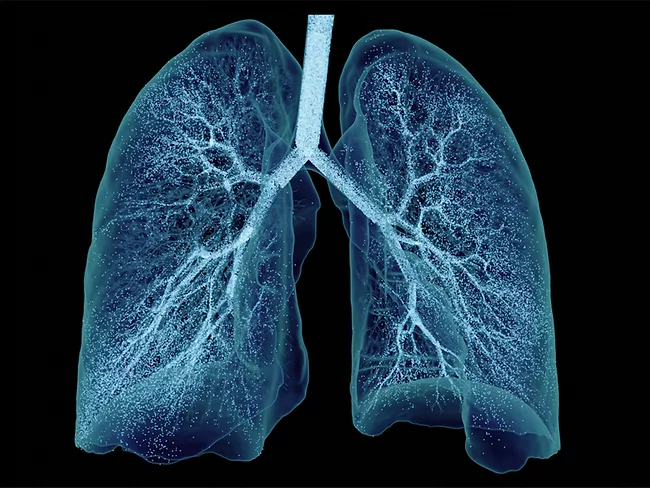
The ability of Ebenbuild GmbH’s digital twin technology to predict the deposition of inhaled drugs across the lungs has been validated in a study published in Nature Communications Medicine. The platform, which combines AI-driven image analysis and physics-based computational modeling, demonstrated strong agreement with in vivo imaging data across multiple inhalation scenarios.