Artificial intelligence (AI) is no novelty for medical technology, but 2024 saw an interesting series of events in this area from across the globe. While some of these developments portend immediate regulatory clarity, some are harbingers of continued regulatory flux in 2025 and beyond.
AI-powered drug R&D platform firm Oncocross Co. Ltd. is leading the procession of year-end Korea biotech IPOs this week, pricing an offering of about 11.85 million shares on the Korea Exchange at ₩7,300 each for gross proceeds of ₩85.56 billion (US$59.5 million).
A year after Generate Biomedicines Inc. pulled off its $273 million series C financing round, the Flagship Pioneering-spawned and AI-powered protein therapeutics firm drew investment of an undisclosed amount from the Samsung Life Science Fund Dec. 18.
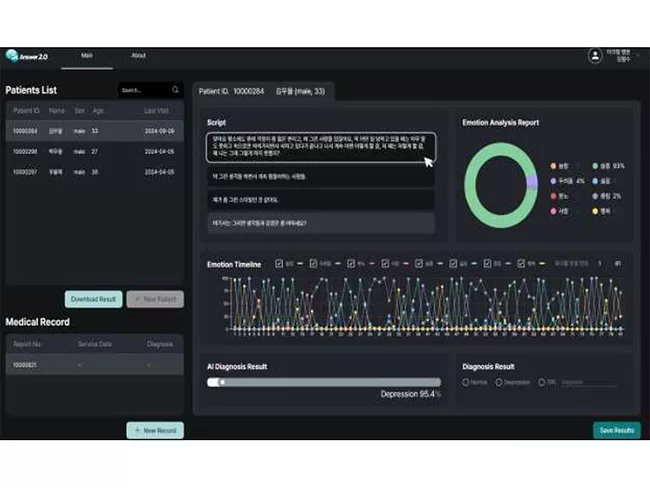
South Korea’s Ministry of Food and Drug Safety cleared Acryl Inc.’s Acryl-D01 as the country’s first AI-based digital therapeutic software solution to aid depression screening and diagnosis on Dec. 20. Approved as a class II software as a medical device, Acryl-D01 utilizes a patient’s medical records to quantify and analyze the individual’s emotional response and assess the probability of having clinical depression based on the data.
A year after Generate Biomedicines Inc. pulled off its $273 million series C financing round, the Flagship Pioneering-spawned and AI-powered protein therapeutics firm drew investment of an undisclosed amount from the Samsung Life Science Fund Dec. 18.
AI-powered drug R&D platform firm Oncocross Co. Ltd. is leading the procession of year-end Korea biotech IPOs this week, pricing an offering of about 11.85 million shares on the Korea Exchange at ₩7,300 each for gross proceeds of ₩85.56 billion (US$59.5 million).
The FDA’s final guidance for predetermined change control plans (PCCPs) for AI products contains a number of editorial changes, some more significant than others.
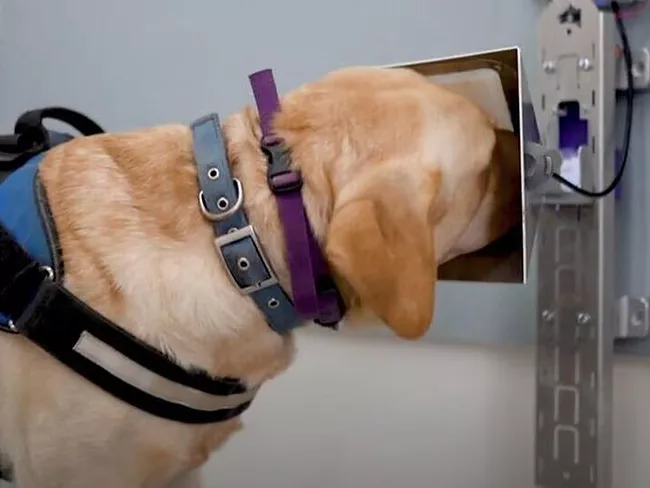
Bring your dog to work day looks a little different at Spotitearly. The Tel Aviv-based company asks its canine workers to bring their whole selves to the job – particularly their finely trained noses – to help suss out cancer in breath samples. The dogs’ unique capabilities are interpreted by AI to capture canine indicators humans might miss and the combo has remarkably high accuracy, 93% or better in three of the four common cancers tested.
The health care potential for generative artificial intelligence comes with hazards such as the inadvertent effects of poor prompt engineering practices, but Anil Bhatta of Deloitte Consulting told a U.S. FDA advisory committee that this risk could be managed by rules that would thwart any consequent problems, such as an inadvertent jailbreak of the algorithm’s intended use.
Fifty years after the term brain-computer interface (BCI) was coined, Neuralink and several other companies are reviving the promise of BCI for health care, as artificial intelligence and novel methods of neural signal detection work hand-in-hand to propel biomedical innovation.