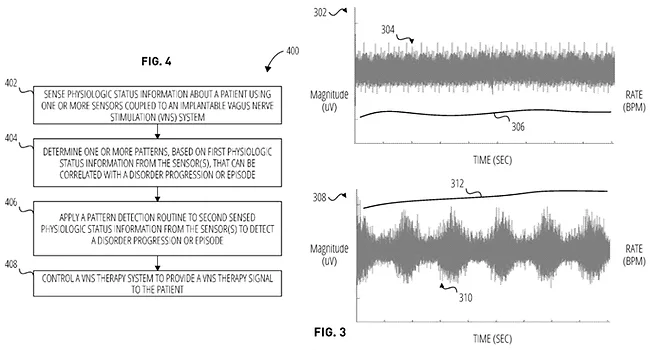
In what represents its first patenting, Roseville, Minn.-based Iveacare Inc. provides insights as to what its first therapeutic target will likely be since the developer of neuromodulation therapy devices emerged from stealth mode in April 2024 with the closing of $27.5 million series A financing.
Australia is the skin cancer capital of the world, but with a shortage of dermatologists, patients often wait too long to get skin checks that could end up costing them their lives.
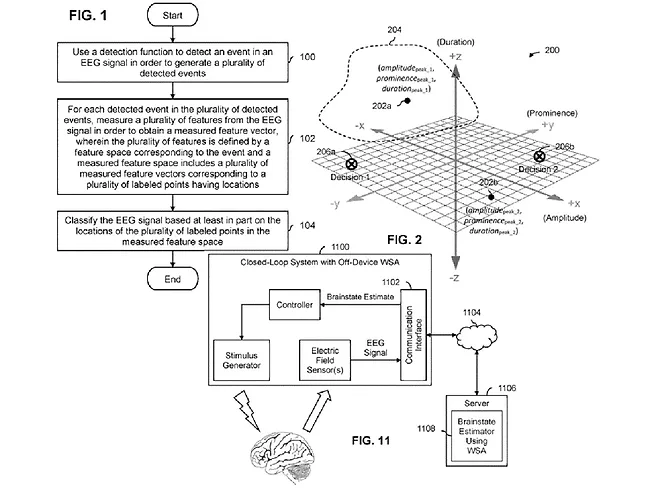
The first patenting from Encephalogix Inc. details its development of platform that uses machine learning and AI to analyze EEG data that is typically ignored.
Data from the Drai Martini study shows that artificial intelligence is shaking up the analysis of electrocardiograms. Results presented at the recent ESC Congress 2024, demonstrated that an AI algorithm, Deeprhythmai, developed by Medicalgorithmics Sp zo.o., has significantly higher sensitivity than human specialists in detecting heart rhythm disorders on long ECG recordings.
Technological breakthroughs are changing the biopharmaceutical landscape and forcing regulators to think on their feet and facilitate (not impede) innovation, experts said at the Global Bio Conference (GBC) 2024. “Regulatory speed and agility are necessary amid emergencies to cater to unmet medical needs,” Choong May Ling, CEO of Singapore’s Health Sciences Authority, told audience members in Seoul, South Korea.
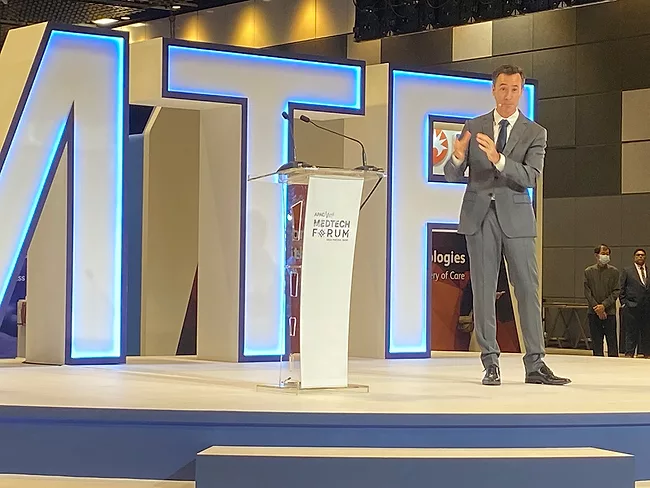
Asia Pacific is the fastest growing region for health care spending, and by 2030 APAC will account for more than 20% of global health care spending, Tom Lawry, managing director of Second Century Tech told the APACMed Forum 2024 conference held in Singapore, Sept 5-6.
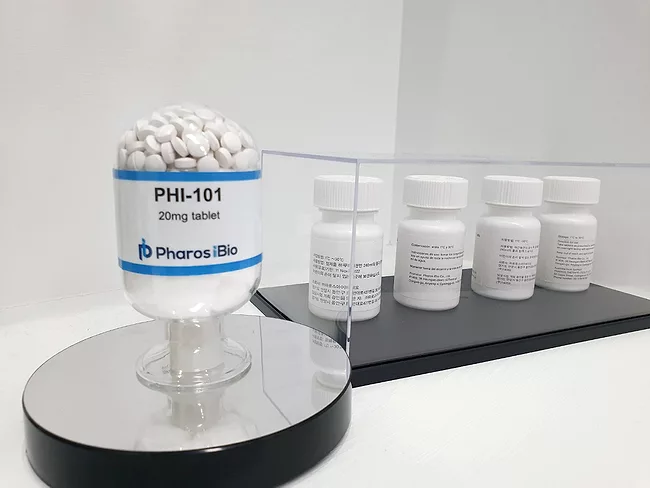
South Korean artificial intelligence-based drug developer Pharos Ibio Co. Ltd. said that the Ministry of Food and Drug Safety (MFDS) granted an orphan drug designation for PHI-101, a second-line therapy for acute myeloid leukemia (AML).
Asia Pacific is the fastest growing region for health care spending, and by 2030 APAC will account for more than 20% of global health care spending, Tom Lawry, managing director of Second Century Tech told the APACMed Forum 2024 conference held in Singapore, Sept 5-6.
South Korean artificial intelligence-based drug developer Pharos Ibio Co. Ltd. said that the Ministry of Food and Drug Safety (MFDS) granted an orphan drug designation for PHI-101, a second-line therapy for acute myeloid leukemia (AML).
A decade ago, when Asia Pacific Medical Technology Chairman (APACMed) John Collings was running a medtech business in China, he was flying high with multiple rounds of investment under his belt and preparing to launch two new technologies, but the company hit a regulatory hurdle that delayed the launch and he found himself grappling for answers, he told the APACMed Forum held Sept. 5 in Singapore.