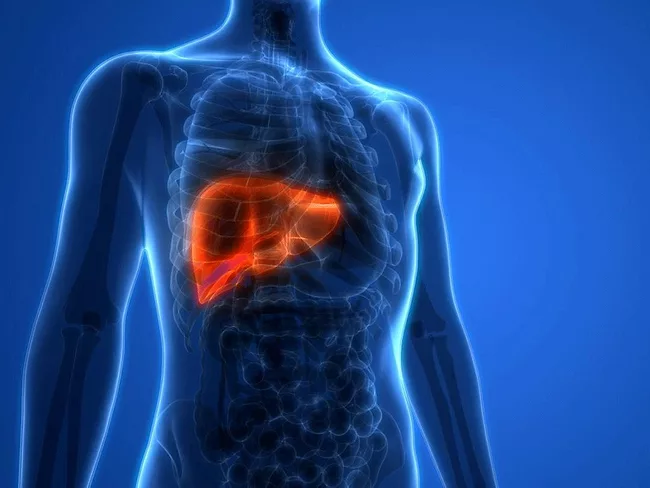
Nonalcoholic steatohepatitis (NASH) is the most severe form of nonalcoholic fatty liver disease, where in addition to the accumulation of fat in the liver, there is also chronic inflammation and hepatocyte injury. With no therapy approved yet, selective thyroid hormone receptor-β (THR-β) agonism has yielded good results in ongoing clinical development.
Intercept Pharmaceuticals Inc.’s second attempt to score an expanded U.S. FDA approval of its farnesoid X receptor agonist, obeticholic acid, in patients with non-alcoholic steatohepatitis (NASH) went the way of the first, with the agency issuing another complete response letter (CRL), prompting the company to drop all NASH-related investment and cut a third of its workforce.
During the first talk of the Basic Science Seminar sessions at the 2023 EASL International Liver Congress, focusing on the gut-liver axis, Prof. Maria Rescigno from Humanitas University presented data on the interaction between the gut and the liver and the role of microbiota and intestinal permeability in health and disease.
Patients with nonalcoholic fatty liver disease (NAFLD) and type 2 diabetes had a 44% reduction in liver fat after receiving Inventiva Pharma SA’s PPAR agonist, lanifibranor, in a phase II trial, findings that caused the Daix, France-based company’s stock to soar.
Liminal Biosciences Inc. has nominated a lead preclinical candidate, LMNL-6326, from its oxoeicosanoid receptor 1 (OXER1) antagonist program, targeting the treatment of eosinophil-driven diseases such as eosinophilic asthma and atopic dermatitis.
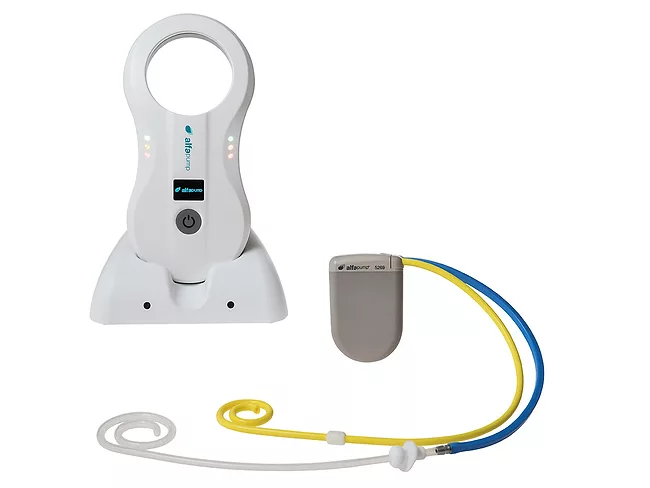
Sequana Medical NV is considering listing in the U.S. as it builds towards the commercialization of its Alfapump, CEO Ian Crosbie told BioWorld in an interview. The company has received a U.S. FDA breakthrough device designation for Alfapump, which treats recurrent or refractory ascites due to liver cirrhosis, and it completed a pivotal study in 2022. The company intends to file the data with the FDA by the end of this year, with the hope of getting premarket approval before the end of 2024.
Trouble presaged by U.S. FDA concerns over potential drug-induced liver injury (DILI) caused by obeticholic acid (OCA) 25 mg came to pass during the Gastrointestinal Drugs Advisory Committee meeting May 19 on Intercept Pharmaceuticals Inc.’s accelerated approval effort with the compound.
Currently, there is no FDA-approved drug for nonalcoholic steatohepatitis (NASH), which has evolved into the second leading cause of liver transplantation in the U.S. Researchers from Children’s Hospital Los Angeles and Epigen Biosciences Inc. disclosed preclinical data on EPGN-2154, a novel lysophosphatidic acid LPA1 receptor agonist that has already demonstrated antifibrotic activity in preclinical kidney and liver models.
The U.S. FDA’s release of its briefing document for the upcoming advisory committee meeting on obeticholic acid 25 mg as a fatty liver disease treatment sent Intercept Pharmaceuticals Inc. on a downwards spiral May 17. Soon after the document was released, Intercept stock (NASDAQ:ICPT) dropped as low as $11.41 – down almost 30% from its May 16 close of $16.21. As the day wore on, it regained some of that lost value in heated trading that was more than eight times the company’s average daily volume of 782,285. The rebound helped Intercept close the day at $13.83, down about 15%.