Shares in Karuna Therapeutics Inc. soared Aug. 8 as the biotech moved closer to a breakthrough for schizophrenia therapy after its potential first-in-class drug Karxt (xanomeline + trospium) met its goals in a closely watched phase III trial. Analysts said results from the Emergent-2 trial were at the top end of what was expected, lifting Karuna’s shares (NASDAQ:KRTX) 71.8% to a 52-week high of $241.19.
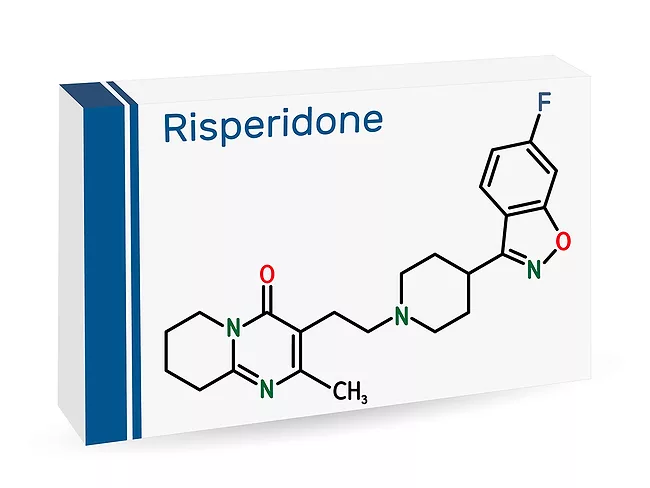
Shares in Medincell SA dropped 29.1% Apr. 20 on news that the U.S. FDA slapped a complete response letter (CRL) on an NDA for an extended release, long-acting formulation of risperidone, which it is co-developing with Teva Pharmaceuticals Industries Ltd. as a maintenance treatment for schizophrenia.
With phase III data due from Karuna Therapeutics Inc. with its combo Karxt therapy for schizophrenia, interest is rising in the historically difficult space. Karxt pairs xanomeline, a muscarinic receptor agonist that preferentially stimulates M1 and M4 muscarinic receptors, with trospium, an approved muscarinic receptor antagonist that does not measurably cross the blood-brain barrier, confining its effects to peripheral tissues.
Schizophrenia remains one of the toughest mental health issues to treat, as well as an indication that has created substantial challenges for drug makers. The pipeline of potential new schizophrenia medicines is busy, with Cortellis showing that 10 new phase III schizophrenia trials that began recruiting patients in 2021 and 59 phase III trials ongoing at the end of the year.
LONDON – Sosei Heptares is to get $100 million up front in a potential $2.6 billion deal with Neurocrine Biosciences Inc., in which the pair will develop muscarinic receptor agonists in the treatment of schizophrenia, dementia and other neuropsychiatric disorders. San Diego-based Neurocrine is taking rights to a portfolio of small molecules against specific subtypes of the muscarinic receptor family, targeting M1 and M4 alone, plus a dual M1/M4 agonist.
LONDON – Sosei Heptares is to get $100 million up front in a potential $2.6 billion deal with Neurocrine Biosciences Inc., in which the pair will develop muscarinic receptor agonists in the treatment of schizophrenia, dementia and other neuropsychiatric disorders. San Diego-based Neurocrine is taking rights to a portfolio of small molecules against specific subtypes of the muscarinic receptor family, targeting M1 and M4 alone, plus a dual M1/M4 agonist.
Shares of Alkermes plc slipped 15% Nov. 9 on news that longtime partner Janssen Pharmaceutica NV plans to partially terminate two license agreements related to know-how royalties on U.S. sales of paliperidone products using Alkermes’ nanoparticulate technology. While the move is expected to result in only a modest near-term impact on the Dublin-based firm’s bottom line, it took both company management and investors by surprise.
Alkermes plc worked its way through a complete response letter (CRL) issued in late 2020 as the FDA has approved Lybalvi (olanzapine and samidorphan) for treating adults with schizophrenia and bipolar I disorder. The once-daily, oral antipsychotic treatment, the company’s first, is for maintenance monotherapy or acute treatment of manic or mixed episodes and as a monotherapy or adjunct to lithium or valproate. The therapy had a June 1 PDUFA date.
Bolstered by new and positive open-label extension data, Minerva Neurosciences Inc. won’t let a failed phase III of roluperidone in treating schizophrenia get in the way of considering an NDA filing.
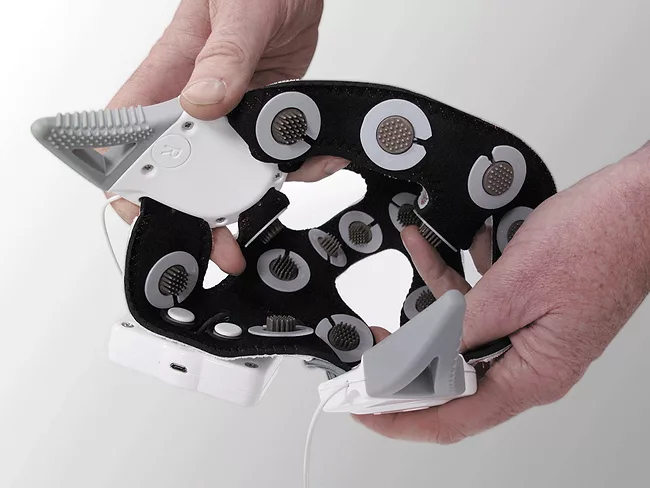
LONDON – Cumulus Neuroscience Ltd. has raised £6 million (US$8.3 million) to advance development of its home use wearable headset for tracking response to treatment in clinical trials in psychiatric disorders and neurodegenerative diseases, including Alzheimer’s.