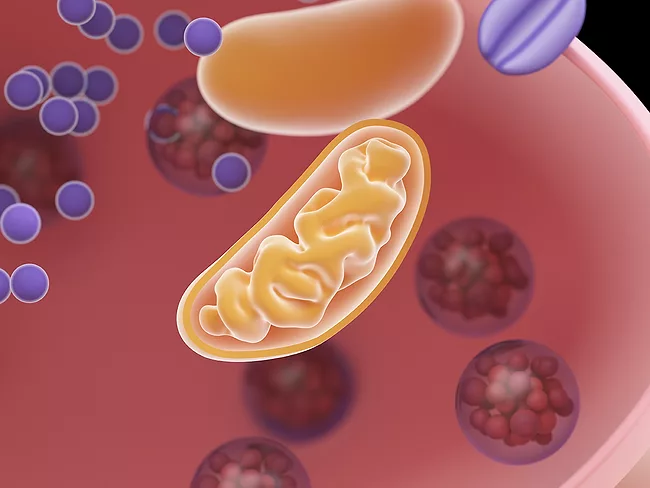
RNA editing in schizophrenia (SCZ)-associated genes was decreased in postmortem brains of individuals of European descent, according to a study from the University of California, Los Angeles (UCLA). The scientists obtained the RNA editome from SCZ brains to detect the sequence changes in their RNA and observed hypoediting in noncoding regions related to mitochondrial function, such as the mitofusin-1 (MFN1) gene.
Shanghai Institutes for Biological Sciences and Shanghaitech University have identified dopamine D2 receptor and/or 5-HT receptor agonists reported to be useful for the treatment of depression and schizophrenia.
Just days after Karuna Therapeutics Inc. reported positive data from a third registrational trial of Karxt (xanomeline plus trospium) in schizophrenia, Puretech Health plc sold a portion of its royalty in Karxt in a potential $500 million agreement with Royalty Pharma. Puretech was a founder of Karuna and co-inventor of Karxt, an oral M1/M4-preferring muscarinic agonist.
With phase III data in hand from the Emergent-3 study of Karxt (xanomeline plus trospium) in adults with schizophrenia, Karuna Therapeutics Inc. continues to target mid-2023 for an NDA submission to the U.S. FDA. The 256-subject trial met its primary endpoint, with Karxt turning up a statistically significant and clinically meaningful 8.4-point reduction in Positive and Negative Syndrome Scale total score compared to placebo at the fifth week.
Research shows that individuals with schizophrenia have abnormal gene expression patterns in their brains compared with people without the condition. In a study published in PLOS Biology on Jan. 24, 2023, the authors reported that many genes in brain tissue from the dorsolateral prefrontal cortex, a region involved in cognition, have expression patterns that follow a 12-hour cycle. The investigators found that these patterns were largely lost in people with schizophrenia.
A genome-wide association study (GWAS) from The University of Queensland has linked blood cell traits (BCTs) and neurological and psychiatric disorders (NPDs), providing a tool to improve patient treatments or repurposing different drugs. The researchers also found a cause-effect relationship between Parkinson's and platelet distribution width. In their study, published Jan. 25, 2023, in Cell Genomics, the scientists observed the genetic overlap between common NPDs and 29 BCTs, including functional genes, regulatory elements and new genetic correlations linked to hematological data and for these diseases.
Insilico Medicine Inc. has divulged β-lactam derivatives acting as glutaminyl-peptide cyclotransferase-like protein (QPCTL) inhibitors reported to be useful for the treatment of cancer, Alzheimer's diseases, atherosclerosis, chronic kidney disease, infertility, ischemia-reperfusion injury, schizophrenia and Zollinger-Ellison syndrome, among others.
Newron Pharmaceuticals SpA has reported positive six-month data for its selective sodium channel blocker, evenamide, as an add-on therapy to antipsychotic drugs in chronic, treatment-resistant schizophrenia. Patients who had responded at the initial six-week evaluation showed continued improvements in symptoms of psychosis, while others who had not responded at six weeks did so by six months.