The degradation pathways of cellular components can be shared by different molecules or selectively replace different substances and organelles. In the brain, synaptic transmission involves signaling pathways for a wide range of molecules, vesicles and receptors that require constant recycling. A proteomic study from the University of Lausanne and the University of Fribourg sheds light on brain autophagy-selective routes in adolescent, adult and aged brains.
The map of the genetic activity of the risk genes that affect the central nervous system (CNS) reveals the molecular signatures associated with the neurological pathologies in this organ. A study by researchers at McGill University in Canada and the Allen Institute for Brain Science in Washington compared 40 brain diseases with this technology and classified them into five groups whose members shared the same transcriptional pattern.
Attempts to modernize the conceptual framework of brain function and dysfunction are one prerequisite for brain disorders to benefit from precision medicine. For the circuit-based insights that are slowly emerging to benefit patients, though, better targeting methods are needed.
Brain disorders have not yet profited from advances in precision medicine to the same extent that other disorders have. With the advent of magnetic resonance imaging and other technologies, watching the brain at work has made great strides in recent decades. But those data have often been shoehorned into the categories of the Diagnostic and Statistical Manual of Mental Disorders. Researchers are working to bring diagnostic categories in line with a modern understanding the brain.
The FDA has given the green light to Spintech Inc. for its STAGE (strategically acquired gradient echo) magnetic resonance imaging device. The post-processing software platform allows MRI technicians to capture higher-quality brain images in significantly less time than standard approaches.
Technical challenges at the annual meeting of the International Society for Stem Cell Research (ISSCR) meeting led to at least one lively exchange of stem cell jokes in the chat box as the audience waited for talks to resume, including stem cell parental advice: “You can be anything you want when you grow up!”
The disconnect between the need for sleep and the possession of a brain is what prompted Dragana Rogulja, an assistant professor of neurobiology in the Blavatnik Institute at Harvard Medical School, and her team to take a look at multiple tissues in sleep-deprived flies and mice.
From memory formation to waste clearance, sleep, Dragana Rogulja said, is thought of as “of the brain, by the brain, for the brain.” However, sleep may be necessary for the brain, but the brain is not necessary for sleep.
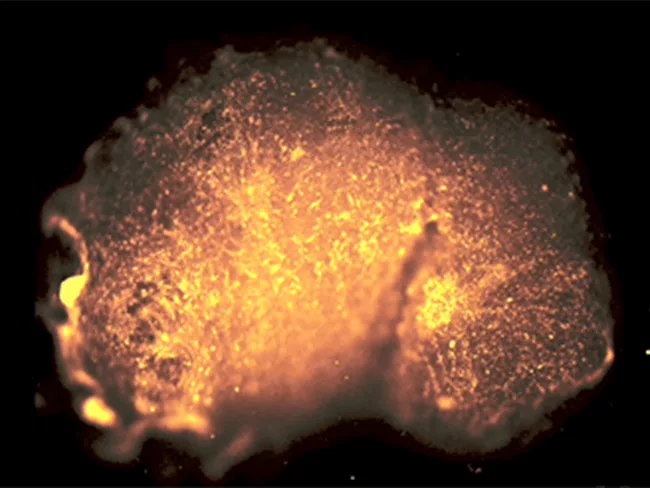
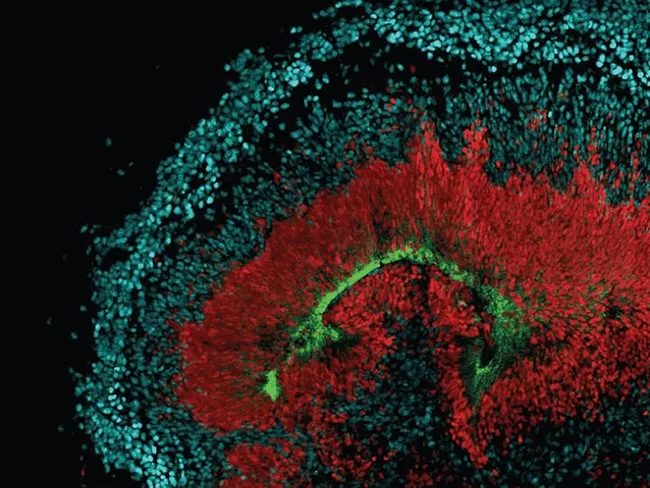
When developmental neurobiologist Arnold Kriegstein talks about his work, it sounds for all the world like he is talking about the brains of teenagers. They are stressed. Their identity is mixed up. But putting them in a good environment is helpful to their development. Kriegstein, though, was describing brain organoids.
Two very different roles were reported for the protein REST last week. In adults, REST activation appeared to extend lifespan by reducing overall brain activity. Principal investigator Bruce Yankner, professor of genetics at Harvard Medical School and co-director of the Paul F. Glenn Center for the Biology of Aging, told BioWorld that in postmortem brain samples of individuals who had had no cognitive impairments at the time of their death, his team found "a correlation between down-regulation of excitation and extended longevity."