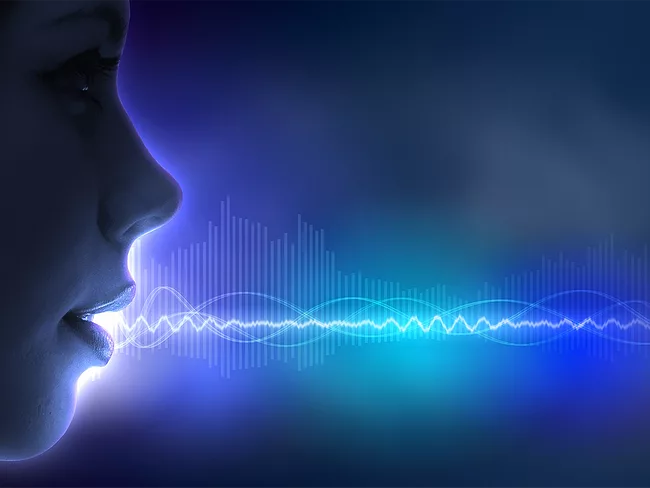
Sonde Health struck a deal with Qualcomm Technologies Inc. to embed its vocal health biomarker product, Sonde One, in the Snapdragon 888 and 778G 5G mobile platforms. The deal would make vocal biomarker monitoring native to the devices that use the company’s chips in mobile and IoT devices.
Compass Pathways Ltd. has joined with a U.K. hospital and an academic establishment to research the role of psychedelic medicine in new models of mental health care. The London-based company signed a memorandum of understanding with South London and Maudsley NHS Foundation Trust and the Institute of Psychiatry, Psychology and Neuroscience at King’s College London to launch the project.
KT Corp. took its first step into the digital therapies space by entering into an agreement with Neurosigma Inc. to develop electronic therapies to treat neurological and neuropsychological disorders, including attention deficit hyperactivity disorder (ADHD), depression and epilepsy. KT will support the design and development of Neurosigma’s next-generation versions of external trigeminal nerve stimulation (eTNS) products that incorporate artificial intelligence (AI), big data and cloud capabilities.
While there is known to be an association between inflammation and depression, it is not known if there is cause and effect. Now, the power of the UK Biobank has been brought to bear to show that when all genetic, health and environmental factors are accounted for, people with depression have higher levels of inflammation in their bodies than controls.
While the founder of Woebot Health says that the app is not intended to replace human therapists, for the majority of the world who cannot locate an available psychologist or afford one once found, Woebot aims to offer a “radically accessible” option for mental health care.
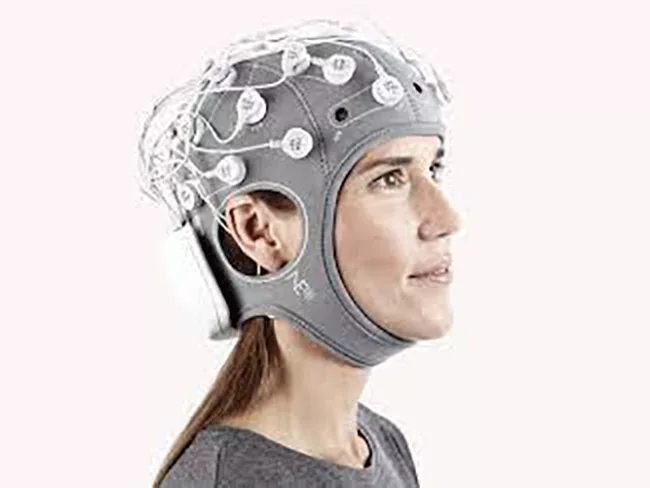
Neuroelectrics Inc. garnered $17.5 million in a series A fundraising round led by the Morningside Group of Hong Kong. The Cambridge, Mass. and Barcelona-based brain stimulation company plans to use the funds primarily to advance its pivotal trial of the Starstim system in refractory focal epilepsy and its at-home feasibility study in refractory major depressive disorder and related infrastructure, Neuroelectrics co-founder and CEO Ana Maiques told BioWorld. Supportive infrastructures for the trials include brain modeling, the platform for remote montage delivery, and clinical and regulatory resources.
Eliem Therapeutics Inc. is old-fashioned in the useful ways. The company is going after extremely large indications, including chronic pain and major depression. “We’re really passionate about these large markets,” Eliem President and CEO Bob Azelby told BioWorld. “These patients live in the shadows… There’s so many people suffering.”
HONG KONG – Otsuka Pharmaceutical Co. Ltd. is celebrating its 100th anniversary by inking a collaboration and licensing agreement with Perception Neuroscience LLC to develop and commercialize the latter’s PCN-101 (r-ketamine) in Japan.
A study by researchers at Nanjing University has demonstrated that in mice, depression-like phenotypes induced by paternal stress can be inherited by the offspring through a causal role of microRNAs in the father's sperm.