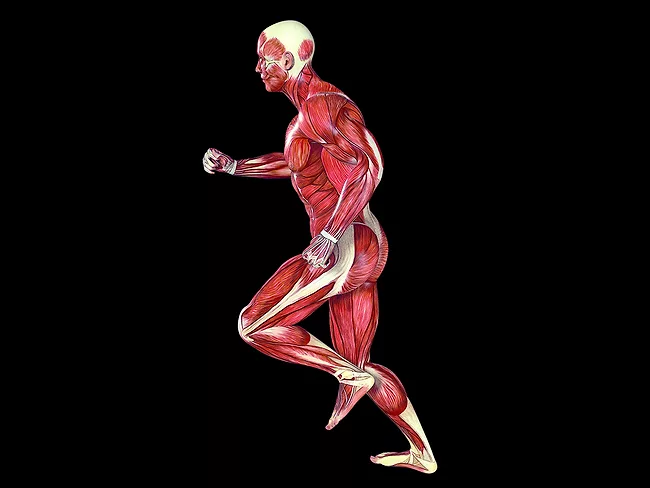
Researchers at the Dana-Farber Cancer Institute have been able to identify proteins that were released from muscles during exercise in relatively small quantities. Using their method, the team was able to demonstrate that the neurotrophic factor prosaposin was produced during exercise. Prosaposin is “a well-known CNS neurotrophic factor, but has never been seen to come out of muscle or fat,” Bruce Spiegelman told BioWorld. Spiegelman is a researcher at the Dana-Farber Cancer Institute and Stanley J. Korsmeyer Professor of Cell Biology and Medicine at Harvard Medical School.
Gilgamesh Pharmaceuticals Inc. has identified arylcyclo-hexylamine derivatives targeting N-methyl-D-aspartate receptor (NMDAR) and/or serotonin transporter (SERT) reported to be useful for the treatment of substance abuse and dependence, depression and mood and anxiety disorders.
A strong clinical association has been observed between epilepsy and the development of depression, however, it is difficult to study individual molecular and cellular mechanisms underlying these comorbidities in animal models. Researchers from Rutgers University have aimed to develop a cell-type-specific monogenic mouse model of epilepsy and depression comorbidities, which could serve as a tool for identifying disease mechanisms as well as for target and drug screening.
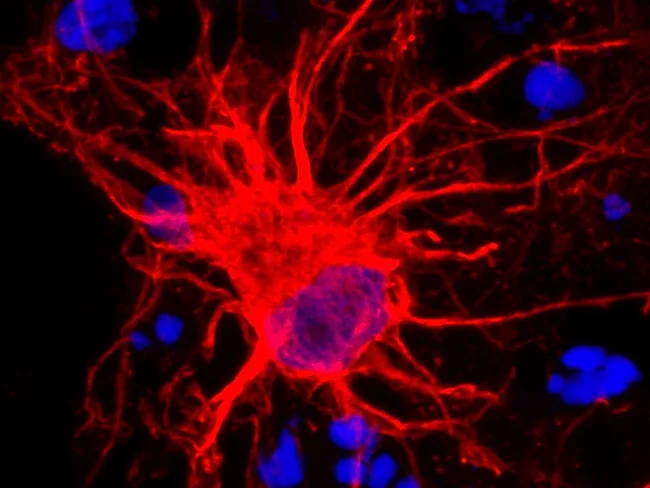
Major depressive disorder (MDD) was linked to impaired neural connectivity caused by astrocyte dysfunction, according to a study from the Southern Medical University in Guangzhou in collaboration with the University of Hong Kong.
Scientists from the Icahn School of Medicine at Mount Sinai have found a sexual dimorphism of depression based on the different expression of a molecule that could be developed as a therapeutic strategy. “There is a big sex difference in depression. Women are much more likely to have depression than men. They tend to have different subsets of symptoms. They tend to respond better to different antidepressants, and the depression tends to be more severe,” Orna Issler, the first author of the study and a postdoctoral researcher at the Nash Family Department of Neuroscience, Friedman Brain Institute, Icahn School of Medicine at Mount Sinai, told BioWorld. Their project, directed by Eric Nestler, a professor of neuroscience and director of the Friedman Brain Institute at the Icahn School of Medicine at Mount Sinai, had the aim to understand the biology of these sex differences of depression and to find therapeutic targets for it.
Eleusis Therapeutics US Inc. has synthesized aryl-ring-substituted 3-phenylazetidines acting as 5-HT2 receptor ligands reported to be useful for the treatment of chronic pain, depression, atherosclerosis, chronic obstructive pulmonary disease, conjunctivitis, type 2 diabetes, multiple sclerosis and rheumatoid arthritis, among others.
Sensorium Therapeutics Inc. closed a $30 million series A round to fund the discovery and development of new psychiatric drugs, inspired by human ethnobotanical practices that date back hundreds or even thousands of years.