A new Danish research project focused on Parkinson’s disease has received funding from Innovation Fund Denmark. The DESYNA (Degradation of Extracellular α-SYNuclein Aggregates) project aims to develop a new therapy targeting α-synuclein, the accumulation of which is a key driver of Parkinson’s disease.
Parkinson’s disease (PD) involves the progressive loss of dopaminergic neurons, particularly in the substantia nigra. This neurodegeneration is linked to the abnormal accumulation of α-synuclein, a protein that forms toxic aggregates and spreads between cells, damaging them. At the 20th International Conference on Alzheimer’s and Parkinson’s Diseases (AD/PD), held from March 17 to 21, 2026, in Copenhagen, several strategies were presented that aim to modify the course of the disease and offer real alternatives to purely symptomatic treatments.
AC Immune SA plans talks with regulators based on positive interim safety and efficacy results from the phase II Vacsyn trial of its wholly owned anti-alpha-synuclein (a-syn) active immunotherapy ACI-7104.056 in early Parkinson’s disease (PD). The firm said that for the first time, data support targeting a-syn pathology via such a strategy. Disease-related biomarker results that suggest PD slowing include a-syn cerebrospinal fluid (CSF) levels and neurofilament light (NfL).
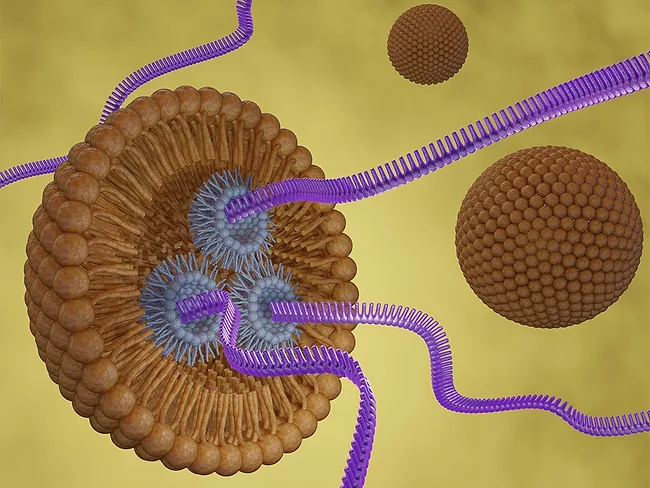
In Parkinson’s disease, α-synuclein accumulates in neurons and may thereby contribute to their degeneration. Reducing expression of α-synuclein may be an effective therapy, but delivering short interfering RNA (siRNA) to the brain noninvasively is notoriously ineffective, in part because siRNA does not pass the blood-brain barrier efficiently.
Alterity Therapeutics Ltd. helped develop a new neuroimaging biomarker called the multiple system atrophy index (MSA-AI), which looks to be a more reliable biomarker for tracking disease progression of MSA.
Alterity Therapeutics Ltd. helped develop a new neuroimaging biomarker called the multiple system atrophy index (MSA-AI), which looks to be a more reliable biomarker for tracking disease progression of MSA. Developed using deep learning methods, the MSA-AI offers a superior, objective and quantifiable measure of brain atrophy in MSA patients.
Being able to detect and monitor the aggregation of α-synuclein in situ could lead to more objective, earlier diagnosis of Parkinson’s disease as well as allow real-time monitoring of whether patients are responding to treatment.
Nitrated α-synuclein is upregulated in the CSF of patients with Parkinson’s Disease (PD), Lewy body dementia (DLB), multiple system atrophy (MSA), and other synucleinopathies.
Spark Therapeutics Inc. has presented a proprietary adeno-associated viral (AAV) vector expressing an artificial miRNA targeting human α-synuclein (α-Syn) mRNA. Accumulation of misfolded and insoluble α-Syn causes neuronal toxicity in preclinical models and has been identified as the underlying cause of synucleinopathies.
Nitrase Therapeutics Inc. has unveiled a protein named glyoxalase domain-containing protein 4 (GLOD4) responsible for catalyzing selective protein nitration. This reflects a new class of enzymatic activity discovered by the company that had not been previously characterized.