Abata Therapeutics Inc. has obtained FDA clearance for its IND application enabling initiation of a first-in-human study of ABA-101 in patients with progressive multiple sclerosis (MS). A phase I study will open later this year.
Multiple sclerosis (MS) is a chronic autoimmune demyelinating disorder in need of new treatment options. Inhibition of the phosphoinositide 3-kinase δ (PI3Kδ) pathway has shown efficacy in animals with experimental encephalomyelitis (EAE), a model of MS.
Monte Rosa Therapeutics Inc. has submitted an IND application to the FDA for MRT-6160, a highly selective and orally bioavailable molecular glue degrader directed against VAV1 in development for systemic and neurological autoimmune diseases.
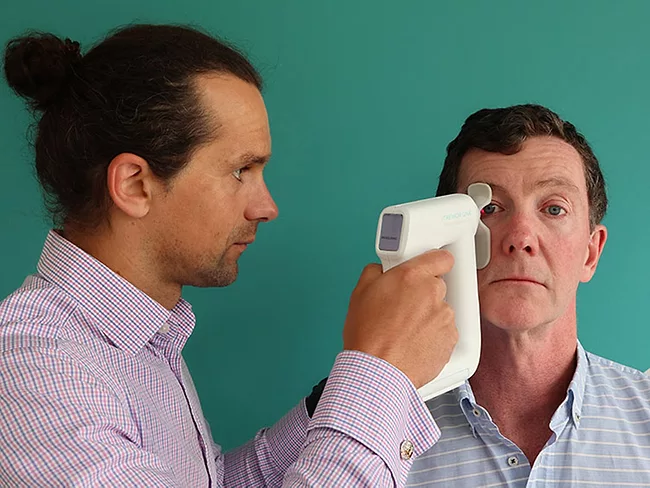
Siemens Healthineers AG has received CE mark for a neurofilament light chain assay to help with the early diagnosis of multiple sclerosis and aid in predicting the risk of relapse in patients suffering from the disease. The test developed in collaboration with Novartis Pharma AG will be launched in Europe later this year.
Two companies – Head Diagnostics Ltd. and Octave Bioscience Inc. – identified biomarkers that could provide objective assessments of disease progression and response to treatment for patients with multiple sclerosis.
The bifunctional antibody approach continues to pay off for Zenas Biopharma Inc., which banked an upsized $200 million series C preferred stock financing led by SR One along with NEA, Norwest Venture Partners and Delos Capital. Enavate Sciences and Longitude Capital participated significantly as well.
Laboratory Corp. of America Holdings introduced a glial fibrillary acidic protein blood-based test available commercially in the U.S. for the early detection of neurodegenerative diseases and brain injuries. The test, which the company said was the first of its kind, is designed to assess the presence and progression of Alzheimer’s disease, multiple sclerosis, glioblastoma and traumatic brain injury.
With high hopes for its LPA1R antagonist program, Contineum Therapeutics Inc. has priced an IPO of 6.9 million shares of its class A common stock at $16 per share as it seeks to generate $110 million in gross proceeds. The San Diego-based company began trading on Nasdaq under the ticker CTNM on April 5, with shares ending the day at $15.40, down 3.8%. There have been nine other biopharma IPOs so far in 2024.
Acorda Therapeutics Inc. has filed for bankruptcy and agreed to sell its assets, including rights to its three commercialized drugs, to German biopharma Merz Therapeutics GmbH for $185 million. Palo Alto, Calif.-based Eiger Biopharmaceuticals Inc. also filed for bankruptcy.