Biogen Inc. has disclosed uracil nucleotide/cysteinyl leukotriene receptor (GPR17; P2Y-Like) antagonists with improved brain penetration reported to be useful for the treatment of multiple sclerosis.
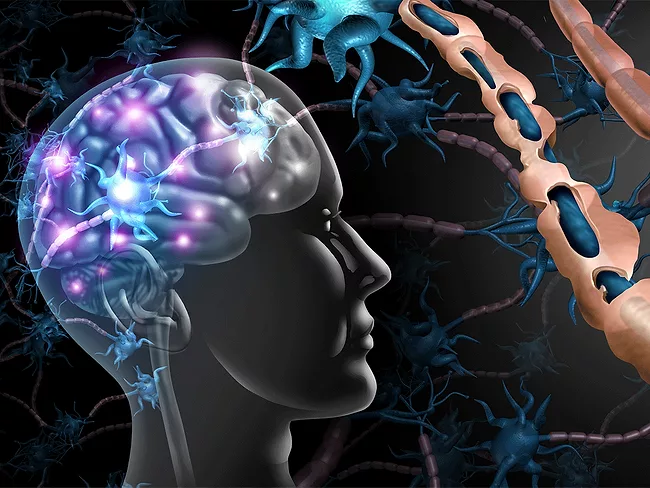
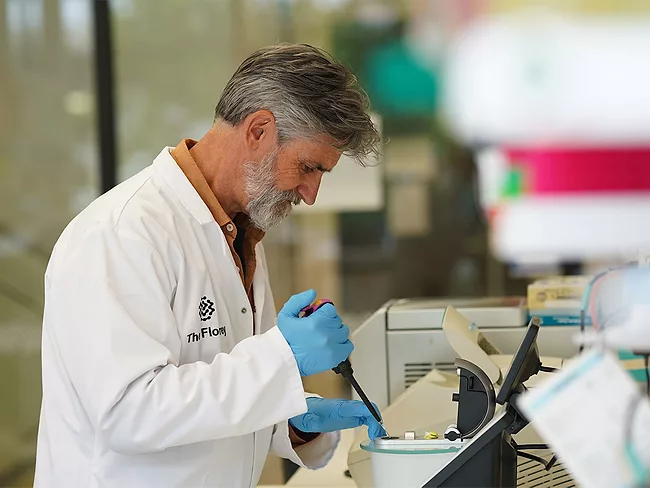
For the first time, researchers have identified that inflammation – long associated with multiple sclerosis (MS) – appears to cause increased mutations that damage neurons linked to MS progression. Researchers at the Florey Institute and the University of Melbourne studied MS brain lesions, which are areas of past or ongoing brain inflammation that are visible as spots on MRI scans.
Researchers from General Hospital of Tianjin Medical University presented data from a study that aimed to explore the role of NIMA-related kinase 2 (NEK2) in regulating B-cell immunity in autoimmune diseases. It was demonstrated that NEK2 is highly expressed in patients with multiple sclerosis.
Tyrosine kinase 2 (TYK2), expressed in astrocytes and microglia, is involved in the activation of pathways triggered by proinflammatory cytokines, such as IL-23, IL-12 and type I interferons (IFNs), within the central nervous system (CNS). Dysregulated activation of astrocytes and microglia may contribute to the neuroinflammation associated with progressive forms of multiple sclerosis (MS).
The FKBP5 gene encodes FKBP prolyl isomerase 5, a co-chaperone that modulates glucocorticoid signaling and that is expressed in T cells, neurons and in microglial cells in the central nervous system (CNS). The role of FKBP5 in the dysregulation of myeloid cells in the pathogenesis of multiple sclerosis was investigated in a murine model of experimental autoimmune encephalomyelitis.
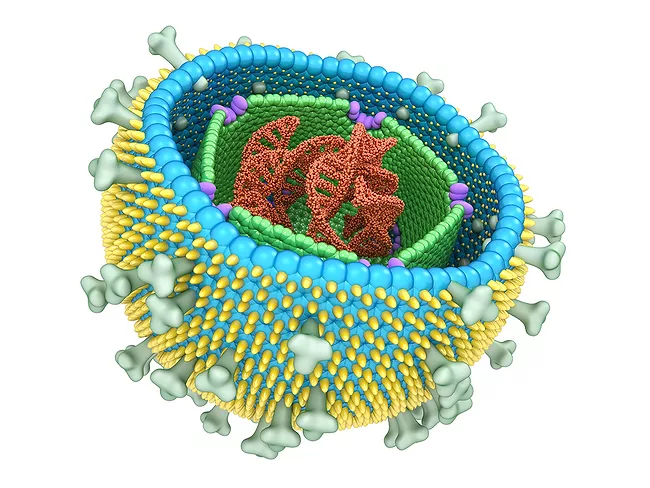
Epstein-Barr virus (EBV) infection is a recognized risk factor that is now regarded as a prerequisite for the development of multiple sclerosis (MS). Recently, significant advances have been made in clarifying the precise mechanism by which EBV leads to the pathogenic features of MS. Now, a new study may have tied up more loose ends. Researchers from the University of Helsinki have mapped the immune landscape of deep cervical lymph nodes (dCLN) in patients recently diagnosed with MS.
The first clinical data from an FDA-approved trial of a CAR T-cell therapy in the treatment of multiple sclerosis (MS) show the cells cause complete B-cell depletion, leading on to a reset of the immune system that is accompanied by an improvement in symptoms.
Brii Biosciences Inc. has identified substituted 2-(3,5-dichloro-4-(4-hydroxy-benzyl)phenoxy)acetamide derivatives that are prodrugs of thyroid hormone receptor β (TH-β) agonists and reported to be useful for the treatment of multiple sclerosis.
Pheno Therapeutics Ltd. has received clinical trial authorization (CTA) from the UK’s Medicines and Healthcare products Regulatory Agency (MHRA) for its lead candidate, PTD-802. The program will progress to a first-in-human phase I trial.
Ophthalmic diseases specialist Oculis Holding AG announced positive phase II data showing its serum-glucose corticoid kinase-2 activator OCS-05 protected nerve cells and improved vision in patients with acute optic neuritis. The placebo-controlled, randomized trial assessed the neuroprotective effect of OCS-05 in combination with standard-of-care steroid injections, against steroids alone, with a benefit seen in preserving both ganglions and retinal cell nerve fibers.