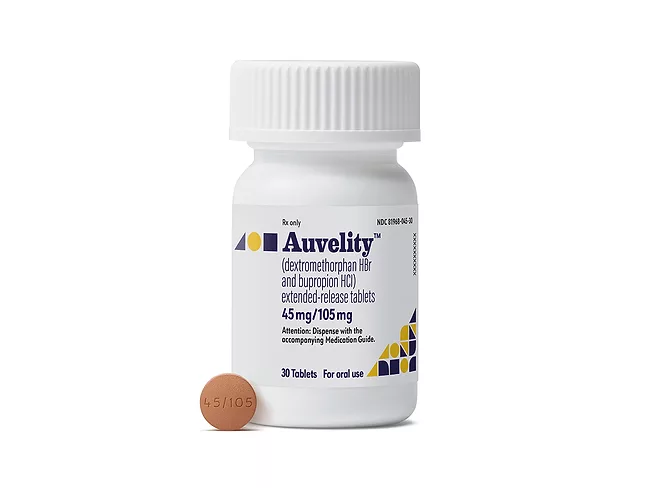
A year from the U.S. FDA’s August 2021 citation of deficiencies in the labeling for Axsome Therapeutics Inc.’s major depressive disorder therapy, Auvelity (dextromethorphan + bupropion), the agency has approved the drug for use by adults. The New York-based company’s stock (NASDAQ:AXSM) took flight on the news, with shares rising 40% to close at $59.55 Aug. 19, surpassing their previous 52-week high of $48.82 and starkly contrasting with a same-period low of $19.38.
Top-line results from Vistagen Therapeutics Inc.’s Palisade-1 phase III study of PH-94B for treating social anxiety disorder showed the therapy fell shy of the primary endpoint. The South San Francisco-based company’s stock (NASDAQ:VTGN) fell dramatically on the results July 22 as shares closed 86% lower at 15 cents each.
After filing patents on a decades-old antipsychotic, Aneurotech BV is laying plans for a U.S. phase IIIb trial of the drug as an adjunctive therapy in major depressive disorder. The study will assess the effects of ANT-01, a low dose of pipamperone, a selective antagonist of both the serotonin 5-HT2A and D4 dopamine receptors, which has been on the market in some countries in Europe and elsewhere for more than 40 years.
Axsome Therapeutics Inc. and the U.S. FDA appear to be working out their differences. The company said it received the proposed labeling from the agency for AXS-05 (dextromethorphan + bupropion), an oral NMDA receptor antagonist with multimodal activity, for treating major depressive disorder.
Following a negative phase II/III study of an investigational treatment for major depressive disorder, Praxis Precision Medicines Inc. is dropping staff from the payroll and refocusing the company’s resources on tremor and epilepsy. The Aria study of PRAX-114, a positive allosteric modulator extrasynaptic GABA receptor, missed its primary endpoint, statistical significance as measured on the Hamilton Depression Rating Scale. It also missed the study’s secondary endpoints.
The FDA has greenlighted Neuronetics Inc.’s Neurostar transcranial magnetic stimulation (TMS) system as an adjunct treatment for adults with obsessive-compulsive disorder (OCD). The noninvasive treatment, which uses repetitive, focused magnetic pulses to stimulate brain cells, is already cleared and marketed in the U.S., Japan and select other countries for major depressive disorder (MDD).
After August 2021 news from the U.S. FDA of deficiencies in the NDA that Axsome Therapeutics Inc. submitted for AXS-05 in major depressive disorder (MDD), word was especially welcome April 19 that the firm has come to an agreement with the agency with regard to post-marketing requirements. Meanwhile, another player in MDD, Relmada Therapeutics Inc., is due to report phase III data with REL-1017 (esmethadone) around the middle of this year.
Akili Interactive Labs Inc. has made grabbing and holding attention a distinguishing feature of its digital therapeutics and overall company strategy. Last month, it made news with its hire of gaming industry veteran Jon David as its chief product officer. Now, a study indicates a new product in development may help people with depression extend their attention span and possibly improve cognition, two common symptoms associated with the mood disorder that are not treated by most medications.
A phase III study of Sage Therapeutics Inc.’s zuranolone in major depressive disorder hit not only its primary endpoint but also its key secondary endpoint. Despite that, the Cambridge, Mass.-based company’s share value (NASDAQ:SAGE) closed 17.4% lower Feb. 16, at $35.91 each.
2021 may mark the beginning of a new phase in treatment of depression. While genetic matching of depression therapies to patients has been touted for a decade, meta-analyses have not supported claims of improved response rates with studies often finding that any improvements seen likely came from switching patients to guideline-recommended therapies rather than any insight from genetics.