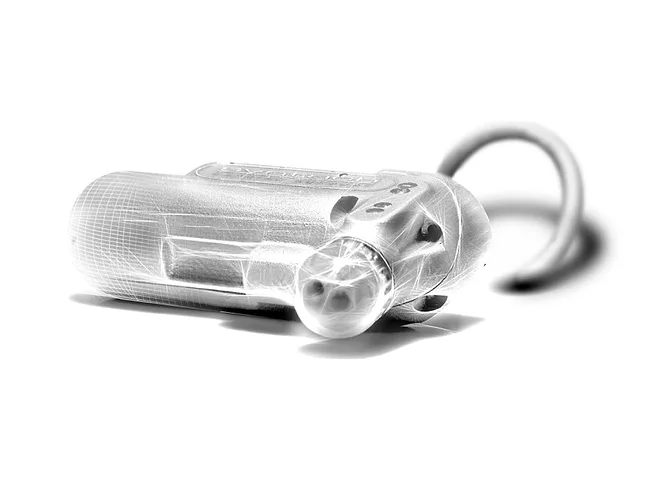
Syntach AB has been awarded up to $17 million in equity financing by the European Innovation Council (EIC) for the development of its cardiac support system, a breakthrough device for heart failure patients. This approval follows the $2.67 million EIC grant announced in December 2021 constituting the equity portion of the $18.7 million of blended finance under the EIC accelerator program. “Thanks to this funding, we are on the way to offering our treatment on a global scale,” said Tor Peters, CEO of Syntach.
Eyenuk Inc. is significantly extending the scope of its artificial intelligence system for the automatic analysis of retinal images, adding the diagnosis of age-related macular degeneration (AMD) and glaucoma to the EU approved uses of Eyeart AI.
Bringing notified bodies (NBs) into a med-tech regulatory system has proven to be no mean feat in the European Union, but the U.K. Medicines and Health Care Products Regulatory Agency (MHRA) seems not to suffer from such impediments. The agency just added several in vitro diagnostic (IVD) technological areas to the roster of tests that can be reviewed by UL International UK, an addition that will help ensure patients can obtain the tests they need.
In the absence of a European framework, industry is stepping up with an initiative to help EU patients cross borders to participate in clinical trials.
The European Union’s Medical Device Regulation (MDR) and In Vitro Diagnostic Regulation (IVDR) each allow a hospital to develop a device or an in vitro diagnostic for use solely in that hospital, but there is no regulatory free pass despite the lack of commercial intent. While the latest guidance on these in-house tests acknowledges that the hospital must determine the degree to which it must comply with the relevant regulation, any hospital that makes and uses an in-house diagnostic or device must develop a risk management mechanism for that device or diagnostic, not an easy lift for entities that may be glancingly familiar at best with conventional regulatory schemes.
The European Union’s (EU) Artificial Intelligence Act (AI Act) drew a fair amount of criticism when it was first released, but Team-NB, the association of notified bodies (NBs) for the EU, has weighed in with some less than flattering observations. The group’s position paper on the legislation said that the act would not only up-classify some artificial intelligence algorithms to a higher risk class but would also resurrect the backlog of applications because of burdensome new requirements for NBs, thus exacerbating an existing crisis of med tech availability in the EU.
A surgical team from the Curie-Montsouris Chest Center in Paris, has successfully performed thermal ablation of a metastatic lung lesion using microwaves via a computer tomography (CT)-guided endobronchial approach.
The European Union’s efforts to update its regulatory framework for medical devices was heralded as a long-overdue response to the Poly Implant Prothèse (PIP) breast implant scandal, but the COVID-19 pandemic added significant drag to the implementation timelines. Those timelines have proven impracticable for other reasons as well and the problem will bleed into the new year and perhaps beyond to the detriment of patients and manufacturers.
The European Commission has given in to the increasing pressure and alarm from member states and is moving to extend the deadlines for implementing the 2017 Medical Device Regulation (MDR) and the In Vitro Devices Regulation (IVDR).
Switzerland is making moves to allow the import of U.S. FDA-approved medical devices after losing barrier-free access to the EU market and over rising concerns about the dismal pace of implementation of the EU’s upgraded devices regulations.