An administrative law judge has decreed that the acquisition of Grail Inc., by Illumina Inc., would not represent a suppression of competition in the market for multicancer early detection (MCED) tests, clearing a way for an acquisition that was initially valued at more than $7 billion.
While it will need a “reasonable period of time” to do so, Turkey said Aug. 29 that it intends to establish a level playing field for foreign and domestic drug producers in accordance with the recommendations and rulings of World Trade Organization dispute arbitrators.
In an effort to keep up with the advances being made in manufacturing technologies, the European Commission (EC) is updating its 2007 technical guidance on good manufacturing practices for sterile drugs.
As biopharma and med-tech companies grapple with restrictive data privacy laws in the EU and China while trying to meet the demand for greater diversity reflective of the U.S. population, there’s been more of an interest in conducting clinical trials in the U.S., Stacy Amin, a partner at Morrison & Foerster LLP, told BioWorld.
Medtech Europe, the European trade association for the medical technology industry covering diagnostics, medical devices and digital health, released its latest survey. This study analyses the availability of medical devices in 2022 in light of the Medical Devices Regulation (MDR) being implemented.
Implementation of the new regulations for medical devices and in vitro diagnostics in the EU have presented a number of problems, including a serious crunch in the availability of notified bodies (NBs) to review premarket filings.
As biopharma and med-tech companies grapple with restrictive data privacy laws in the EU and China while trying to meet the demand for greater diversity reflective of the U.S. population, there’s been more of an interest in conducting clinical trials in the U.S., Stacy Amin, a partner at Morrison & Foerster LLP, told BioWorld.
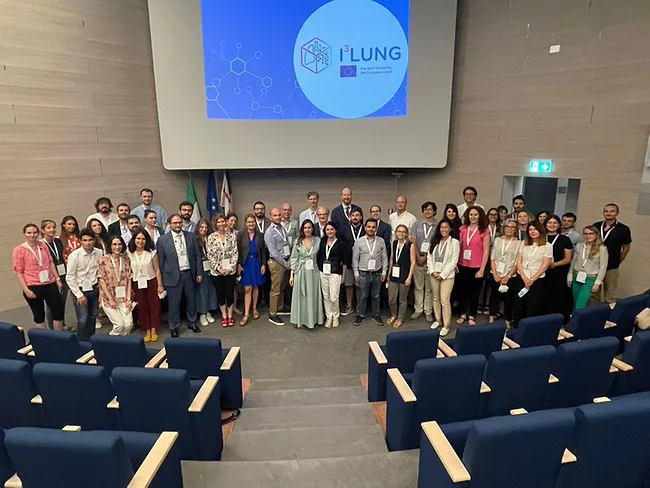
The European Commission launched a new research initiative with $10 million from Horizon Europe, the E.U.’s research and innovation program, to create a cutting-edge decision-making tool to help clinicians and patients select the best lung cancer treatment based on each patient’s specific needs and circumstances. The I3Lung initiative brings together 16 international partners from Germany, Belgium, Denmark, Italy Sweden, Switzerland, the U.S. and Israel.
Turkey needs to provide a level playing field for foreign and domestic drug producers. That’s the recommendation of three World Trade Organization (WTO) arbitrators in a dispute resolution between Turkey and the EU.