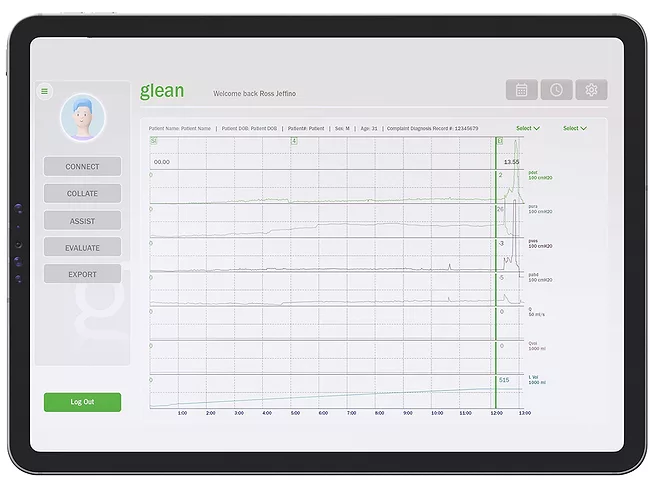
Bright Uro Inc. has emerged from stealth mode with $4 million in seed financing from Academy Investor Network, Fred Moll and several other angel investors. The company also secured a $2 million phase II small business innovation research (SBIR) grant from the NIH.
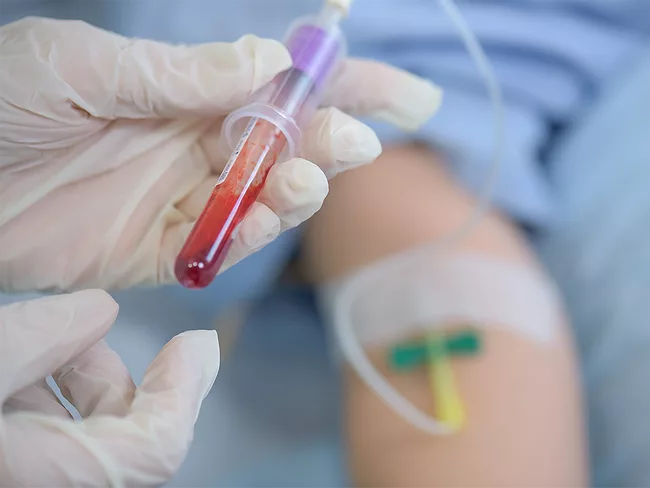
Oncologica Ltd. is expanding its testing service to include an at-home molecular immunoglobulin E (IgE) antibody allergy test. The Cambridge, U.K.-based precision medicine company said the new Allergyfocus test can detect 99% of globally known allergens from a finger prick blood sample. The IgE test provides a personalized antibody profile of allergy triggers such as different foods, pollen, mould or animals.
Tel Aviv-based startup Scopio Labs Ltd. has received U.S. FDA 510(k) clearance for its artificial intelligence (AI) powered cell morphology platform, X100HT. The laboratory device is designed to locate and display images of white cells, red cells and platelets acquired from fixed and stained peripheral blood smears. Analysis of the images is then provided using AI technology.
Stratipath AB gained CE-IVD mark for its artificial intelligence (AI)-based software for prognostic risk stratification of breast cancers, clearing the path for introduction of the solution in the EU. Stratipath Breast analyzes digital histopathology whole slide images generated from surgically resected breast cancer tissue to identify patients with increased risk of disease progression. The system provides clearer guidance on the best treatment path for the 50% of women whose breast cancer is categorized as intermediate risk.
Based on an evaluation of 10 artificial intelligence algorithms for diabetic retinopathy screening, the U.K. National Screening Committee (NSC) recommended Eyenuk Inc.’s Eyeart system as the only one ready for live clinical implementation. The system will be rolled out first in the North East London National Health Service (NHS) Diabetes Eye Screening Program (DESP).
Organ transplant diagnostic company Caredx Inc. has received CE marking for its Alloseq HCT chimerism testing kit and Alloseq HCT interpretation software for use in patients who have received hematopoietic cell transplantation (HCT). The NGS-based solution is used to monitor engraftment and evaluate the success of a hematopoietic stem cell transplant by measuring the relative ratio of the recipient and the donor cell population post-transplantation.
Pleno Inc. has secured $15 million in a pre-series A financing led by Medical Excellence Capital and Alexandria Venture Investments. The proceeds will support development of startup Pleno’s Hypercoding multiomic instrument platform. In conjunction with the financing, Pleno named Gregory Lucier as chairman of its board of directors.
The Biden administration recently reported that a new round of free rapid tests for the SARS-CoV-2 virus is available to the public, a development that coincides with a new surge of the latest sub-variant of the omicron variant. However, the administration is also expected to renew the public health emergency (PHE) for the pandemic, even as the White House continues to press Congress for another $22 billion in pandemic-related funding.
Clinical laboratories and hospitals have routine commercial interactions, and most of those are entirely legal, but this is not always the case. The Office of Inspector General (OIG) at the U.S. Department of Health and Human Services recently decreed that an arrangement in which the hospital pays the lab for blood specimen collection handling services, or a “draw fee,” would not be permissible under the Anti-Kickback Statute (AKS), reinforcing an existing understanding that such activities present a significant legal hazard for operators of clinical labs.
The legislation that would renew a number of FDA user fee programs, the Food and Drug Amendments Act (FDA Act) of 2022, has passed the first legislative hurdle in a subcommittee of the U.S. House of Representatives, but there are several issues with the bill. According to members of the subcommittee, the issues include an absence of provisions for medical device servicing, and the absence of legislation for FDA regulation of lab-developed tests (LDTs), issues that are unlikely to be resolved before the legislation is passed out of the House.