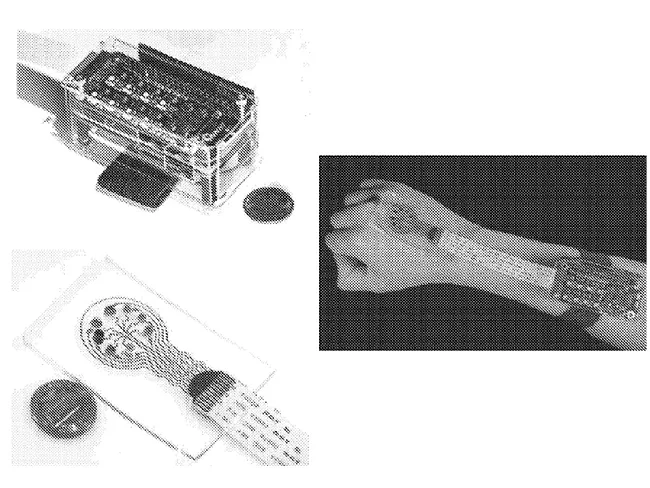
Researchers from the University of Minnesota are seeking patent protection and possible collaborators for their development of three-dimensional (3D) printed skin-wearable photodetector devices.
Metastatic colorectal cancer remains the second leading cause of cancer-related mortality globally, but treatment options are generally limited to RAS mutation status for anti-EGFR therapies. Researchers at the Walter and Eliza Hall Institute of Medical Research (WEHI) in Melbourne developed a method to grow organoids from patient-derived tumor samples that achieved 83% accuracy in predicting patient responses to different therapies.
After years of battling to retain its hold on Grail Inc., Illumina Inc. finally announced that it will be unwinding the ill-fated acquisition of the multi-cancer early detection test maker. In addition to stiff opposition from activist investor Carl Icahn that cost Illumina’s previous CEO and board chair their positions, European and U.S. regulators have consistently opposed the deal.
The U.S. FDA’s draft rule for regulation of lab-developed tests (LDTs) was accorded a mere 60 days for comment, but nonetheless drew support from a number of stakeholders, including Foundation Medicine of Cambridge, Mass.
Abbott Laboratories received U.S. FDA approval for its molecular human papillomavirus (HPV) screening test, expanding the company’s cancer screening tools. The new member of the Alinity M family of diagnostic assays can be used for screening, as recommended by current guidelines, as well as diagnosis and provide detailed information on the potentially cancer-causing genotypes of the virus.
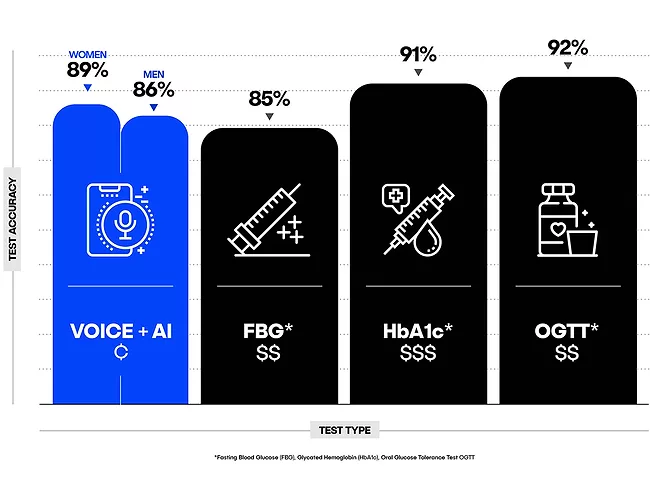
An artificial intelligence (AI) algorithm using voice technology developed by Klick Inc. could be a game changer for diagnosis of type 2 diabetes, helping to identify the 50% of individuals who unknowingly have the disease. The technology uses a six- to 10-second voice clip spoken into a smartphone plus basic health data to detect diabetes in close to nine out of 10 individuals, a study published in Mayo Clinic Proceedings: Digital Health found.
The U.S. FDA’s draft rule for regulation of lab-developed tests (LDTs) carries an exceptionally ambitious timeline of completion and enactment by the time the next user fee agreement kicks in, and some see big problems with the timeline laid out by the agency. However, the FDA’s Elizabeth Hillebrenner said that Congress can tweak user fee legislation such that a specific set of user fee sources kicks in off schedule, thus giving the agency a little more leeway in completing any activity related to the proposed rule.
The U.S. FDA is keen on developing policies to guide testing regimes for future pandemics based on the experience with COVID-19, and the FDA’s Tim Stenzel said on a Sept. 8 advisory hearing that automated reporting of at-home tests would clarify questions such as the spread of the pathogen and how well the tests are performing. Stenzel, who is the director of the Office of In Vitro Diagnostics and Radiological Health at the FDA, said the U.S. government agencies have made a number of grants for development of automated reporting mechanisms for at-home tests, signaling an interest on the FDA’s part that automated reporting capabilities will be a priority when the next pandemic strikes.
In a potential breakthrough for diagnosis and treatment development of liver disease, the Biomarkers Consortium’s Noninvasive Biomarkers of Metabolic Liver Disease (NIMBLE) project demonstrated that a blood test could diagnose nonalcoholic steatohepatitis (NASH), an increasingly common liver disease in the U.S. The study, published in Nature Medicine, identified four biomarkers that outperform current liquid biopsies for NASH.