Precision oncology startup Prana Thoracic Inc. closed a $3 million series A financing round aimed at advancing its minimally invasive lung tissue excision device for early treatment of lung cancer. The series A funds and a prior $3 million award from the Cancer Prevention & Research Institute of Texas are earmarked for product development and to support first-in-human clinical studies.
The question of the U.S. FDA’s authority to regulate lab-developed tests (LDTs) has been percolating for more than a decade, but the recent failure of Congress to pass legislation granting the agency explicit authority to do so is seen in some quarters as a missed opportunity. The FDA’s Elizabeth Hillebrenner said that while the agency would prefer to regulate LDTs under new statutory authorities, the agency sees a public health problem with the current state of affairs, and thus, “we are moving forward with rulemaking.”
Esophageal cancer is often referred to as the “silent killer” because few people show any symptoms until after the cancer has spread. If localized, five-year survival rate is 46%, but that drops to just 5% when malignancy has reached distant parts of the body.
Previa Medical SA will begin clinical trials later this year of its artificial intelligence software designed for early detection of sepsis after it raised €2.1 million (US $2.2 million) in seed funds.
Neurodiagnostics LLC (dba Synaps Dx) and Linus Health Inc. reported significant advances for their dementia diagnostics Feb. 16, adding to the liquid biopsies and radiologic studies currently used and potentially expanding access to beneficial treatments for Alzheimer’s disease (AD) and other dementias.
Facing a chronic dependency on imports for medical devices, particularly more advanced and high-end products, India is working on programs to ramp up investment in the sector and improve the availability of skilled human resources, but many say these efforts are not enough.
The U.S. FDA granted 510(k) clearance to Hyperfine Inc. for improved artificial intelligence (AI)-powered software for its Swoop portable magnetic resonance imaging (MRI) device. The company launched the new software this week.
Complete Genomics Inc. launched a new line of genetic sequencers designed to decode DNA in greater quantities – and at a lower price point – than existing sequencing tools. The new products could signal a new era of more affordable testing, leading to wider availability and the potential to fulfill the long-desired promise of precision medicine.
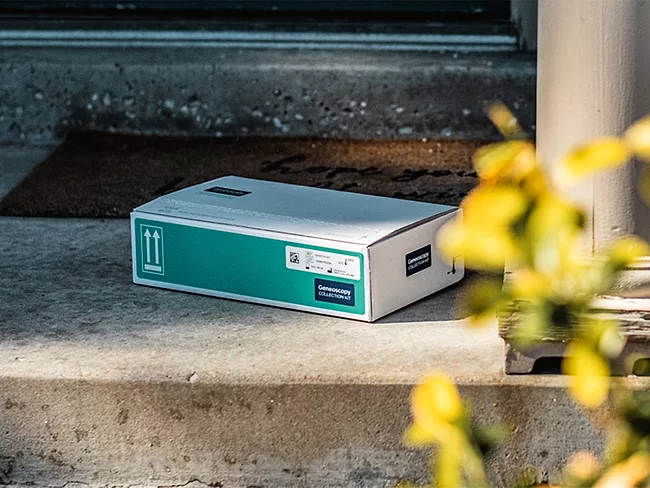
Diagnostics startup Geneoscopy Inc. said Tuesday it has completed a PMA submission for its noninvasive, stool-based, at-home screening test for the detection of colorectal cancer (CRC) and advanced adenomas (AA) in average-risk individuals. The filing is based on positive results from the company’s pivotal CRC-PREVENT trial that met all primary outcome targets, including sensitivity and specificity for CRC and AA.
Bringing notified bodies (NBs) into a med-tech regulatory system has proven to be no mean feat in the European Union, but the U.K. Medicines and Health Care Products Regulatory Agency (MHRA) seems not to suffer from such impediments. The agency just added several in vitro diagnostic (IVD) technological areas to the roster of tests that can be reviewed by UL International UK, an addition that will help ensure patients can obtain the tests they need.